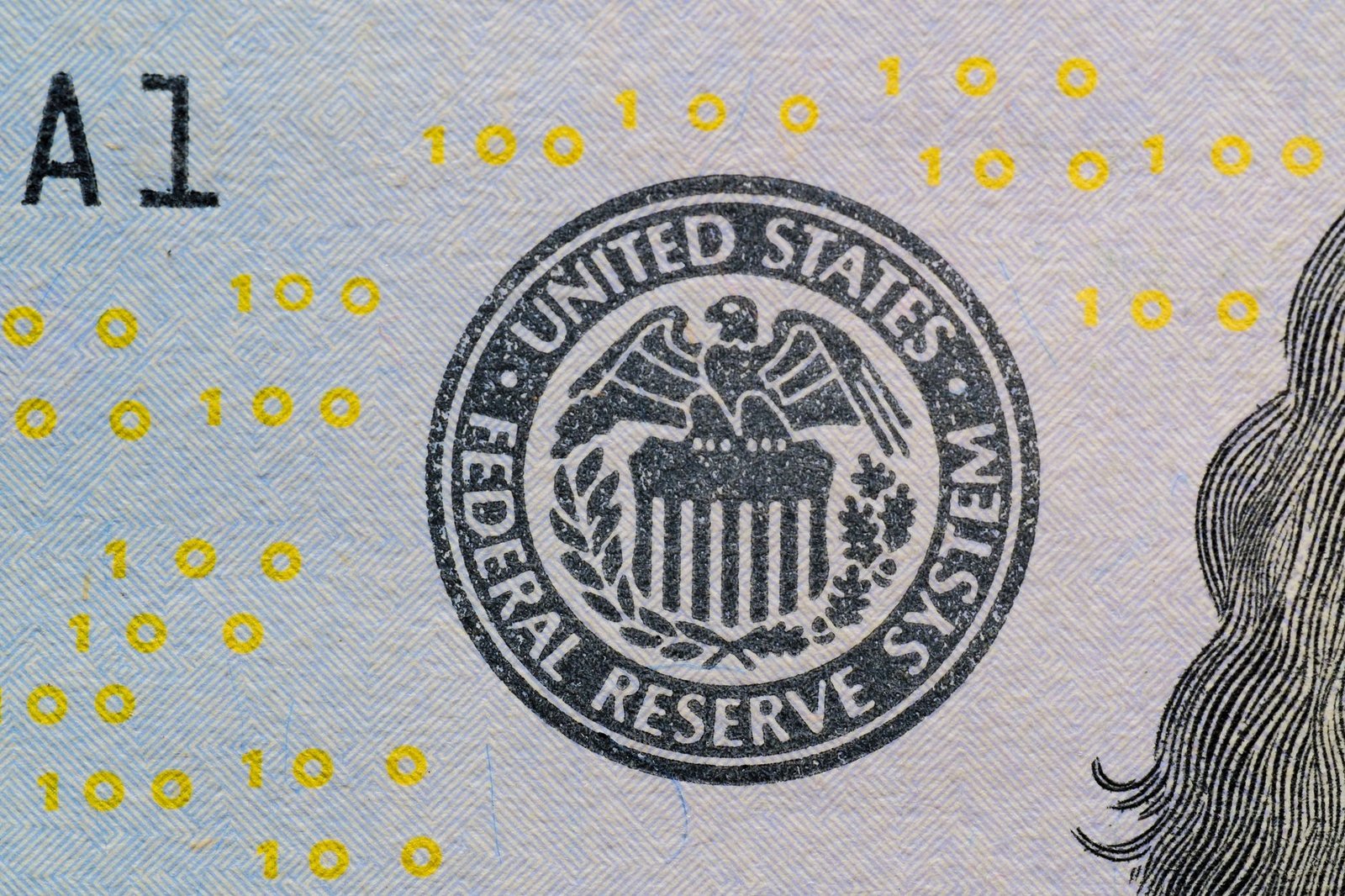
The Federal Reserve is navigating a narrow path between controlling inflation and keeping the economy on solid footing — and financial markets are paying close attention to every step.
The Federal Reserve finds itself in one of its most closely watched stretches in recent memory. With inflation still above its 2% target but showing signs of easing, and the labor market gradually softening, the central bank must decide how quickly — and how far — to bring interest rates down without reigniting price pressures.
At the heart of the debate is timing. Cut too soon, and inflation could rebound, forcing the Fed to reverse course and raise rates again — a scenario that would rattle both consumers and markets. Wait too long, and a slowing economy could tip into a downturn that rate cuts cannot easily fix once it takes hold.
Markets have historically been sensitive to this kind of uncertainty. When investors believe the Fed is leaning toward easier monetary policy, stock prices tend to rise and bond yields tend to fall, as lower borrowing costs improve the outlook for corporate profits and economic growth. The opposite is also true: signals of a more cautious Fed can push yields higher and put pressure on equities.
In recent months, economic data have given the Fed room to consider rate cuts without abandoning its inflation-fighting credibility. Consumer price growth has come down considerably from its peak, even if the last mile of progress has proven stubborn. Meanwhile, job growth has moderated and consumer spending has shown some signs of strain, both of which tend to reduce inflation pressure over time.
Fed officials have been careful not to commit to a specific path, emphasizing that policy will remain dependent on incoming data. That measured language is intentional — it preserves flexibility while avoiding the kind of forward guidance that can box the central bank into a corner if conditions shift.
For everyday investors and borrowers, the practical stakes are real. Mortgage rates, auto loan rates, and credit card rates all move in response to where the Fed sets its benchmark interest rate. A clearer easing cycle would offer relief to borrowers who have faced significantly higher costs since the Fed began raising rates aggressively in 2022.
The next key data releases on inflation and employment will likely shape how much room the Fed has to act — and how markets respond.