The Personal Consumption Expenditures price index — the Federal Reserve’s preferred measure of inflation — cooled in June. Economists caution the improvement may be temporary as the full impact of recent tariffs has yet to show up in the data.
The PCE price index, which the Federal Reserve watches more closely than any other inflation measure, showed a slowdown in June. The reading offered some relief after months of stubborn price pressures, but analysts say it is too soon to declare victory.
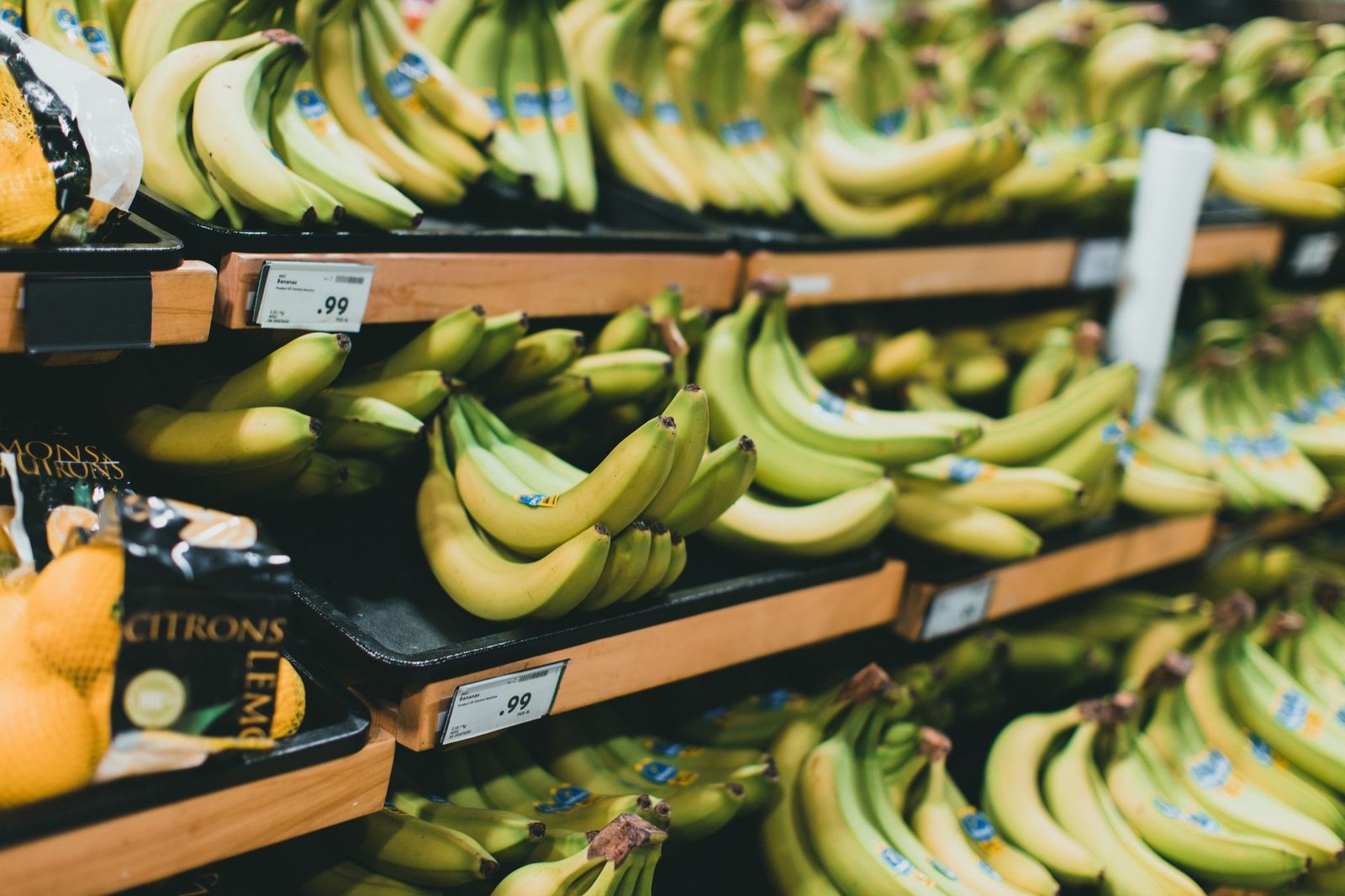
The concern is timing. Many of the tariffs introduced earlier this year affect goods that take weeks or months to move through the supply chain before reaching store shelves. That means their effect on consumer prices may not have fully appeared in June’s numbers. If those cost increases do filter through as expected, inflation could tick back up in the coming months.
The PCE index differs from the more widely known Consumer Price Index in that it adjusts for changes in what people actually buy — so when something gets expensive and shoppers switch to a cheaper alternative, the PCE captures that shift. The Fed targets PCE inflation at 2 percent annually, a level that has proven difficult to sustain in the current environment.
For the Fed, this creates a tricky backdrop heading into its next policy decision. A single month of cooler inflation does not typically change the central bank’s thinking on interest rates, especially when the cause of the softness may be short-lived. Fed officials have repeatedly said they want to see several months of convincing progress before making any move to cut rates.
Bond markets and equity investors will weigh this reading alongside the broader economic picture — including the labor market and consumer spending data — to judge how quickly, if at all, rate cuts might come. A durable pullback in inflation would strengthen the case for easing; a rebound driven by tariff pass-through would push that timeline further out.
The next few months of PCE and CPI data will be critical in determining whether June’s improvement marks the start of a genuine disinflation trend or simply a pause before tariff-driven price increases take hold.