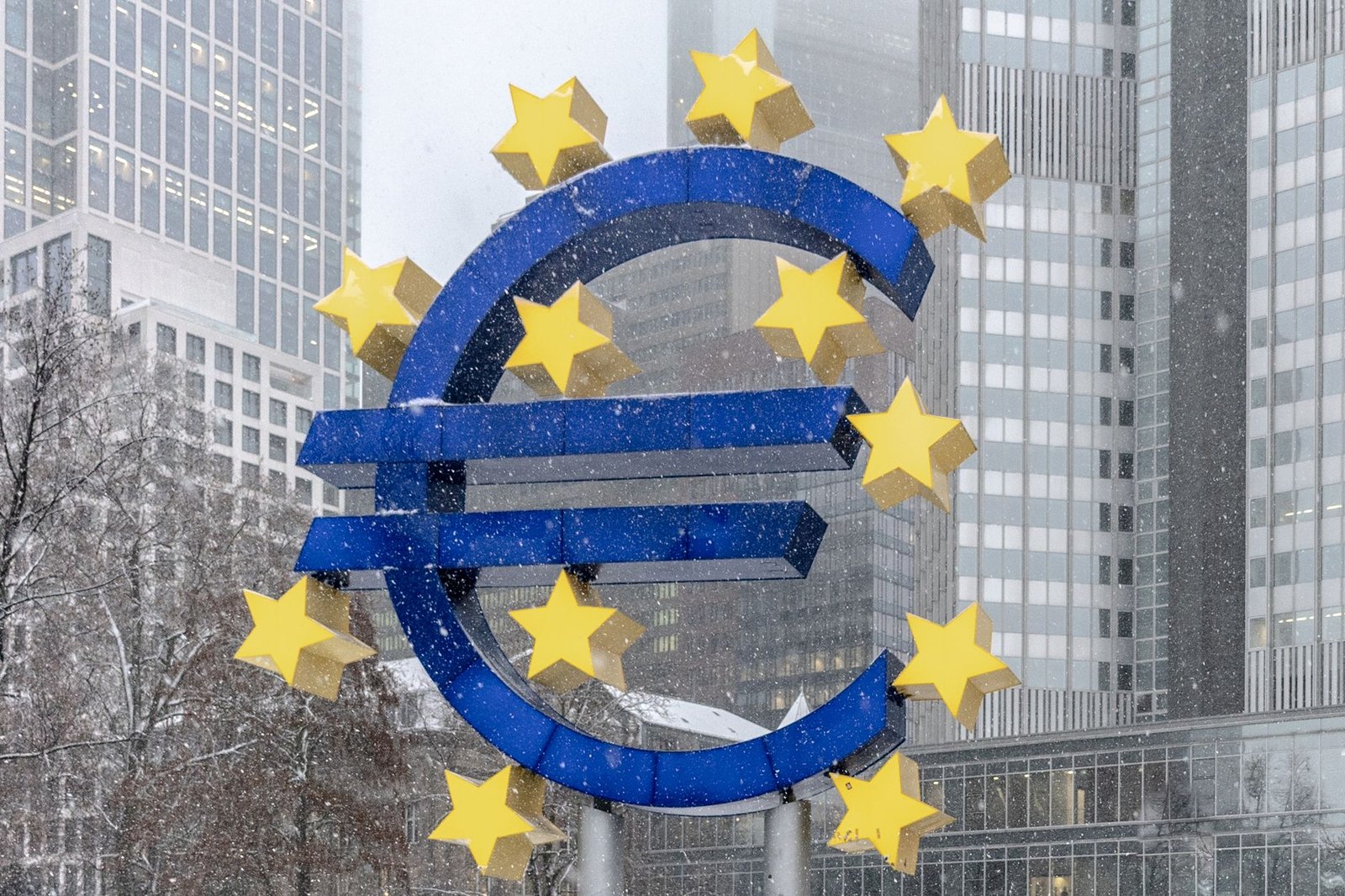
Central banks across the world are increasingly moving in the same direction on interest rates, a rare moment of policy alignment that could have wide-reaching effects on borrowing costs, currencies, and growth.
A broad shift toward higher interest rates is taking shape across major economies, as central banks from Europe to Asia signal tighter monetary policy — echoing moves already underway in the United States. While the alignment is not perfectly synchronized, the general direction is unusually consistent by historical standards.
When multiple large central banks raise rates at the same time, the effects compound. Borrowing costs rise not just in one country but across the global economy. That puts pressure on businesses, governments, and households that rely on cheap credit — and can slow growth in several regions simultaneously.
For investors, a world of rising rates in many places at once changes the math on nearly every asset class. Bonds become more attractive as yields climb, but existing bond prices fall. Stocks, particularly those priced on expectations of strong future growth, tend to face headwinds when rates rise. Emerging market economies, which often carry dollar-denominated debt, can feel added strain as global financing conditions tighten.
The coordination — even if informal — reflects a shared problem: inflation has proven stubborn in many parts of the world, not just the United States. Elevated energy costs, persistent services inflation, and still-tight labor markets in several major economies have kept price pressures alive longer than many policymakers expected.
Still, the picture is not uniform. Some central banks are moving more cautiously than others, and a few economies face growth concerns that complicate any aggressive tightening path. The degree of alignment matters: a fully synchronized global rate cycle would carry very different risks than a looser, staggered one.
Markets are closely watching how quickly this cycle moves and whether the cumulative effect on global growth forces any central bank to pause or reverse course sooner than expected.
The pace and duration of this global tightening cycle will be key to watch in the months ahead.