A combination of strong demand for artificial intelligence chips and unexpectedly low U.S. jobless claims gave global markets a boost, offering a rare moment of broad economic optimism amid persistent uncertainty.
Two forces converged to brighten the global economic outlook: a surge in demand for chips that power artificial intelligence systems, and fresh evidence that the U.S. labor market remains on solid footing. Together, they pushed investor sentiment higher across major markets.
Weekly U.S. jobless claims — the number of Americans filing for first-time unemployment benefits — came in lower than expected. That reading matters because it suggests employers are still holding on to workers, a sign that the U.S. economy continues to grow at a healthy pace. When layoffs stay low, consumer spending tends to stay up, which in turn supports broader economic activity.
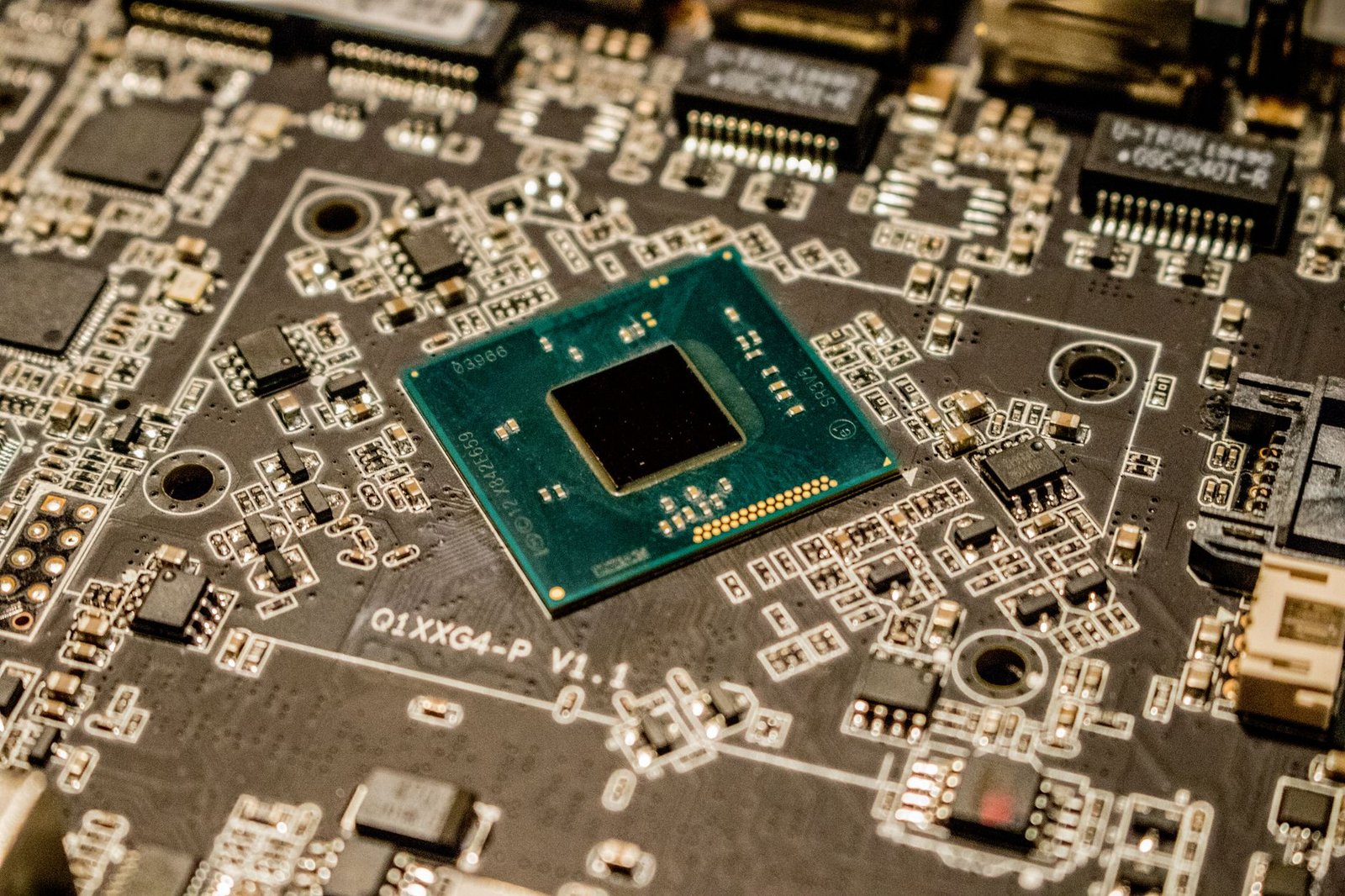
At the same time, chipmakers at the center of the global artificial intelligence buildout are reporting strong business conditions. Demand for the specialized semiconductors needed to train and run AI systems has continued to outpace earlier expectations, driving revenue growth across a key corner of the technology sector. Because chipmaking is a global supply chain — touching manufacturers, suppliers, and customers across Asia, Europe, and the Americas — a boom in that industry ripples outward quickly.
The two developments reinforce each other in an important way. A healthy labor market supports consumer and business spending, while AI-driven capital investment adds another layer of growth on top. That combination can be meaningful for central banks watching whether economic momentum is slowing or holding up.
For the Federal Reserve, persistent labor market strength complicates the case for cutting interest rates. Policymakers have said they want to see the job market cool modestly before moving to lower borrowing costs. Strong claims data, even for a single week, keeps that threshold a little further away.
Globally, the AI investment cycle is being watched as one of the few clear engines of growth at a time when many economies face headwinds from high borrowing costs and sluggish consumer demand in parts of Europe and Asia. Whether this momentum holds will depend on whether corporate AI spending continues to translate into actual earnings — a question markets are likely to revisit with each new round of technology earnings reports.
Investors will be watching upcoming jobs data and technology earnings closely to judge whether this dual tailwind has staying power.