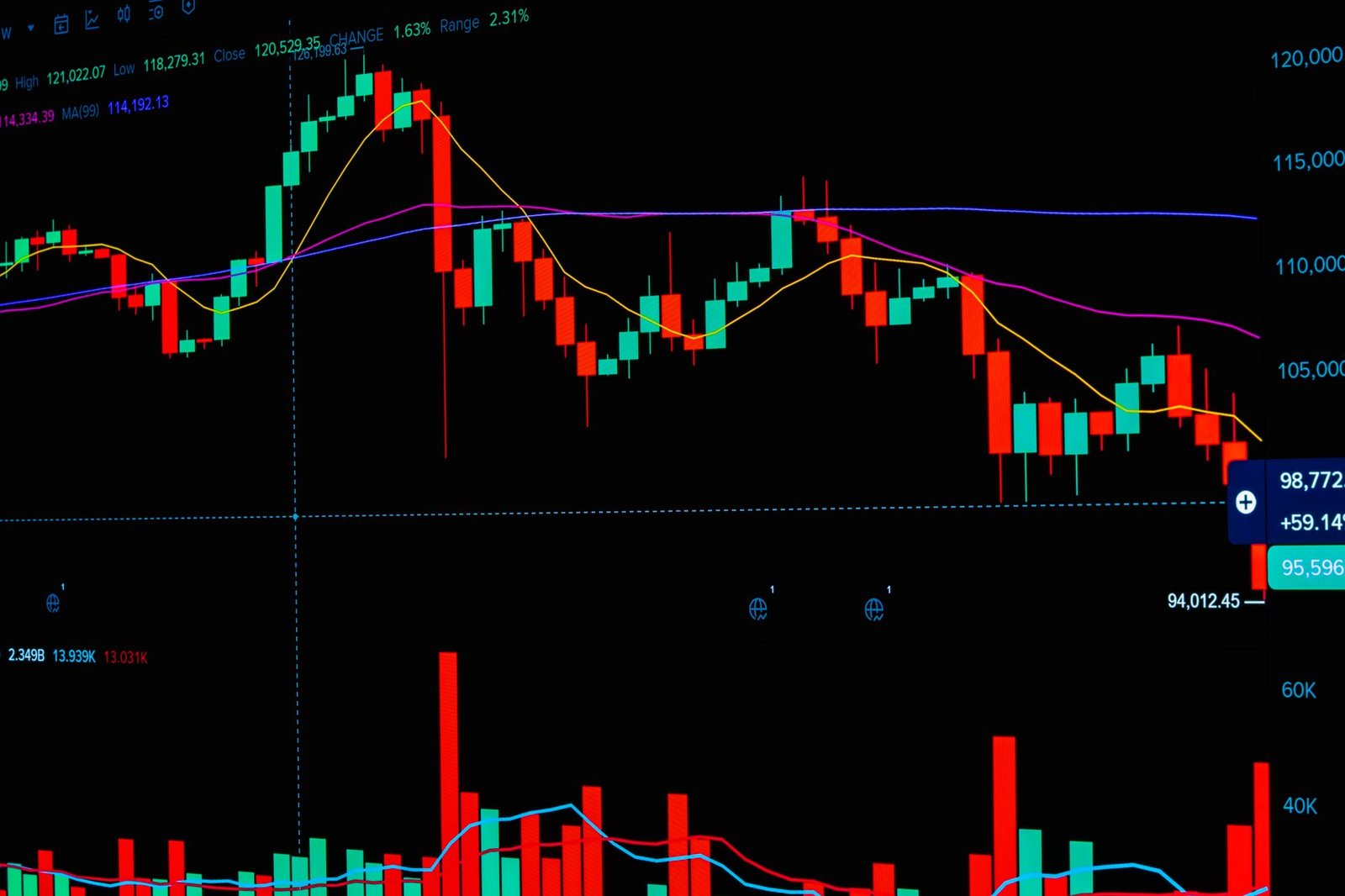
Stocks and bonds across major markets opened with no clear direction, even as investors increasingly bet the U.S. Federal Reserve is done raising interest rates for now.
Global equity markets began the latest session without a unified trend, with gains in some regions offset by declines in others. The cautious tone comes despite growing market expectations that the Federal Reserve may hold interest rates steady in the near term — a development that typically lifts risk assets like stocks.
When investors believe the Fed is finished hiking rates, borrowing costs tend to stabilize, which usually supports higher stock valuations. But mixed market action suggests traders are weighing other concerns alongside the rate outlook, including global growth worries, elevated bond yields, and geopolitical uncertainty.
Bond markets have been a key driver of sentiment in recent weeks. Yields on longer-dated government bonds — especially U.S. Treasuries — have climbed sharply this year, putting pressure on equities worldwide. Even if the Fed pauses rate increases, long-term yields can remain elevated if investors demand more compensation for holding debt over time.
The dollar’s behavior is also drawing attention. A Fed pause often weakens the U.S. dollar, which can benefit emerging market economies that borrow in dollars. But if investors continue to seek safety, dollar demand may stay firm regardless of the rate path.
Analysts note that “easing expectations” for rate hikes does not necessarily mean the Fed will cut rates soon. Officials have signaled they intend to keep rates at restrictive levels — meaning high enough to slow the economy — until inflation clearly returns toward their 2% target. That distinction matters: a pause is not the same as a pivot toward looser policy.
For now, markets appear to be in a holding pattern, waiting for more economic data — particularly on jobs and inflation — to sharpen the picture of where U.S. monetary policy heads next.
Upcoming U.S. jobs and inflation reports will be closely watched for clues on whether the Fed’s rate-hiking cycle is truly over.