Stock markets around the world pulled back in recent trading as a surge in crude oil prices, rising government bond yields, and renewed inflation concerns weighed on investor sentiment across multiple regions.
A combination of higher energy costs, rising borrowing costs, and fresh fears about persistent inflation rattled global markets, pushing equities lower across Asia, Europe, and other major trading centers. The sell-off was broad, with few major indexes spared as investors reassessed the outlook for growth and central bank policy.
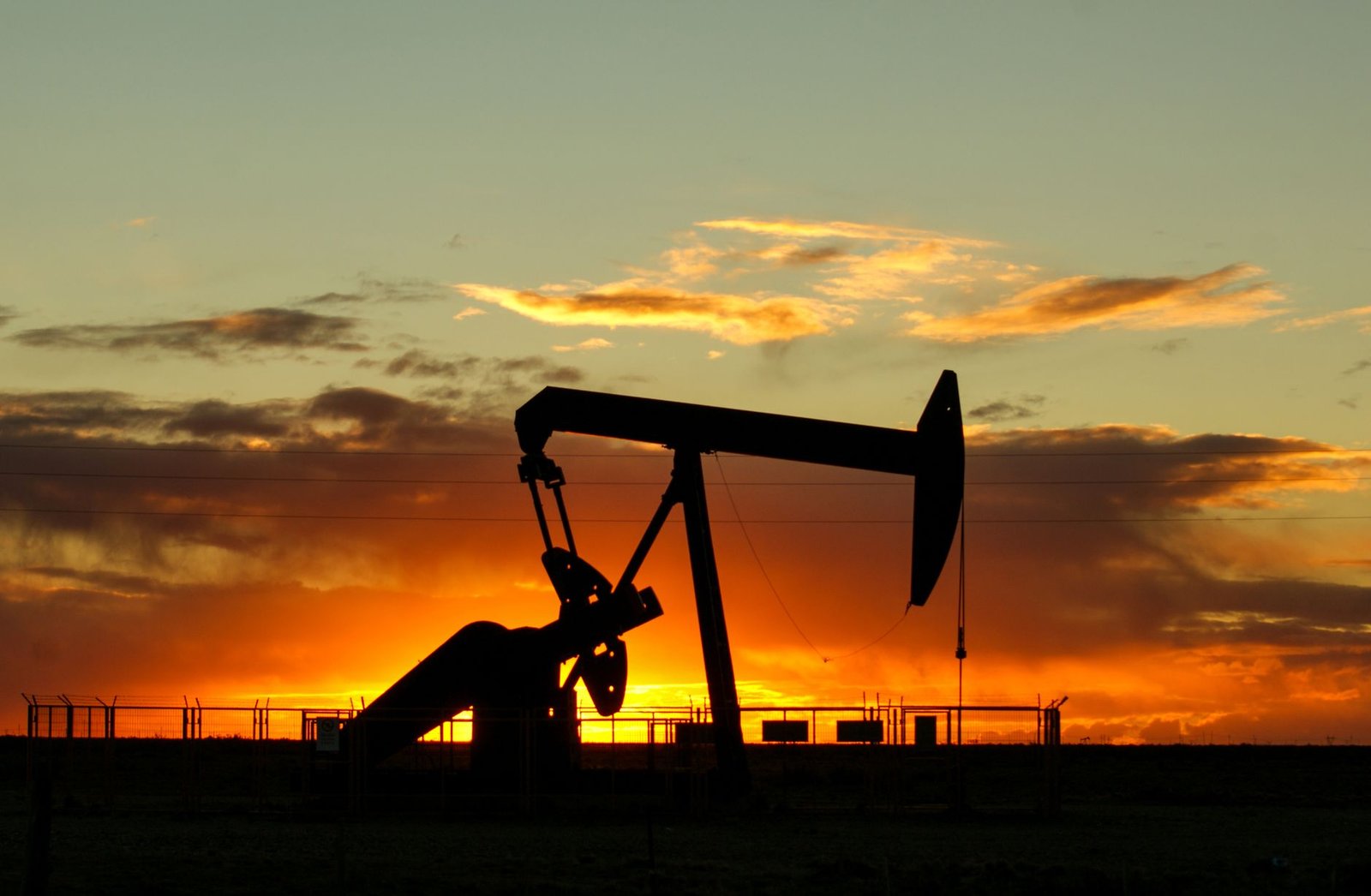
Crude oil prices were a central driver of the move. When oil rises sharply, it tends to push up the cost of transport, manufacturing, and consumer goods — in other words, it fans inflation. That is a problem for central banks that have spent the past two years trying to bring price pressures under control. Higher oil prices can force policymakers to keep interest rates elevated for longer than markets had hoped.
Bond markets reflected that concern. Yields on government bonds — which move in the opposite direction from bond prices — climbed in several major economies. Higher yields raise the cost of borrowing for businesses and households, which tends to slow economic activity. They also make bonds more attractive relative to stocks, often pulling money away from equity markets.
The combination of higher oil and higher yields is particularly uncomfortable for investors. It points to an environment where growth may slow while inflation stays stubbornly high — a dynamic sometimes called stagflation, and one that gives central banks little room to cut rates and support the economy.
India’s benchmark Nifty index was among those under pressure, but the weakness was not limited to any single market. The sell-off had the hallmarks of a globally synchronized risk-off move, where investors in many countries pull back from riskier assets at the same time. In these episodes, even markets with relatively healthy domestic fundamentals can get caught in the downdraft.
How long the pressure lasts will depend largely on where oil prices go from here and whether upcoming economic data — particularly inflation readings — gives central banks in the United States, Europe, and Asia any reason to shift toward easier policy.
Traders and policymakers alike will be watching oil prices and the next round of inflation data closely for signs of whether this pressure is temporary or the start of a more sustained shift.