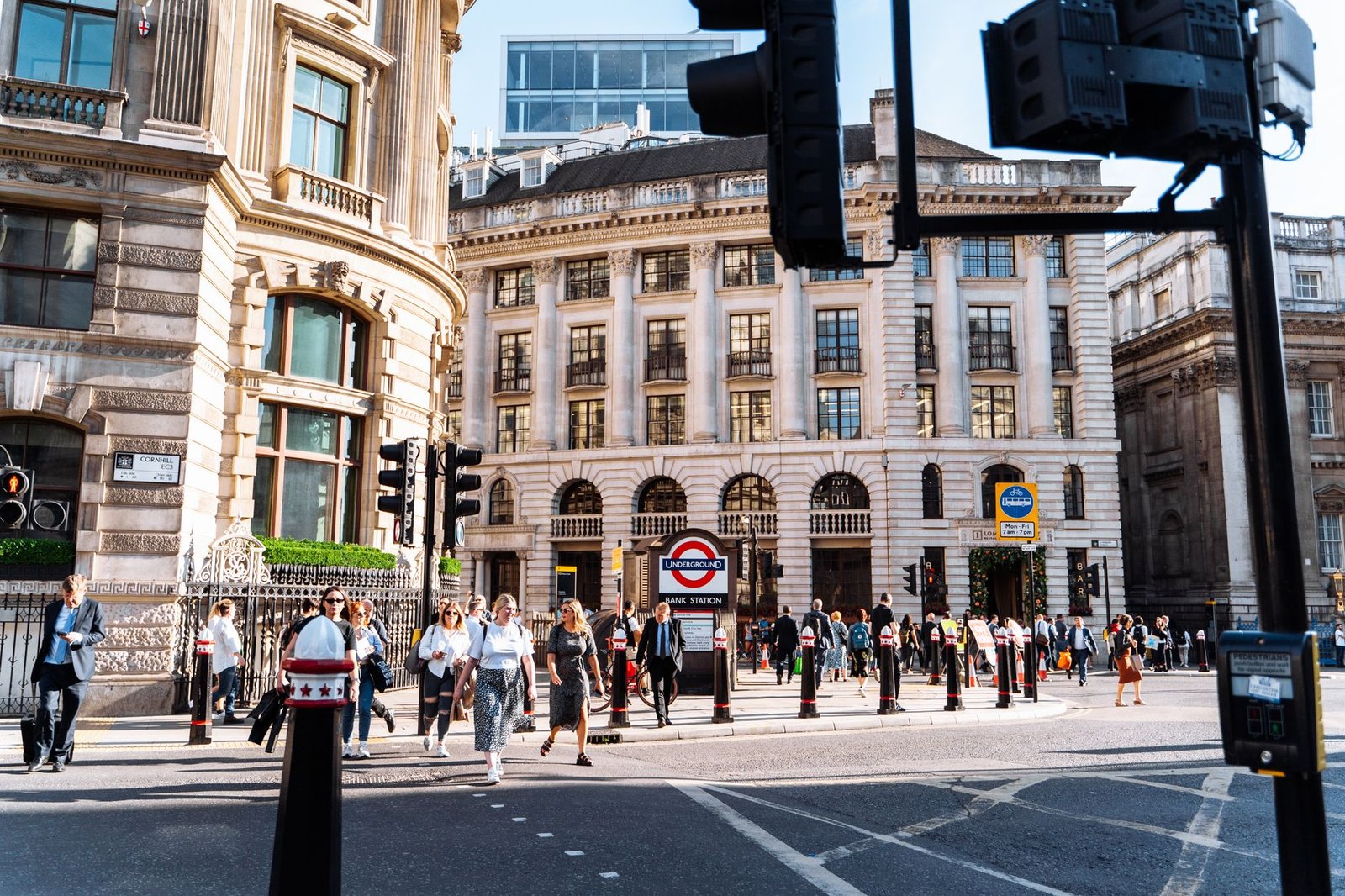
Goldman Sachs expects the Bank of England to raise interest rates at its November meeting, a forecast that signals the U.S. bank sees persistent inflation pressures keeping the UK central bank in tightening mode.
Analysts at Goldman Sachs are predicting another interest-rate increase from the Bank of England before the year is out, with November penciled in as the most likely moment for the central bank to act. The forecast puts Goldman in the camp of those who believe the Bank still has unfinished business in its fight to bring inflation back to its 2% target.
The Bank of England has been one of the more aggressive major central banks in the current tightening cycle, lifting rates steadily from near zero to multi-decade highs as it wrestled with inflation that proved stickier in the UK than in many peer economies. Services inflation and wage growth have been particular concerns for policymakers in London, and those pressures appear to be the foundation of Goldman’s call.
A November rate hike, if it materialises, would push UK borrowing costs higher still — adding to pressure on households with variable-rate mortgages and businesses carrying floating-rate debt. Higher rates also tend to support a currency; the British pound has been sensitive to shifts in Bank of England rate expectations throughout this cycle.
For global bond markets, the forecast is a reminder that the path back to lower rates may be longer in some economies than others. While markets in the United States have been focused on when the Federal Reserve might begin cutting, the UK picture looks different — and Goldman’s view underscores how country-specific inflation dynamics can keep central banks moving in different directions at the same time.
The Bank of England’s Monetary Policy Committee meets on a regular schedule, and its November gathering will be closely watched for any shift in tone from Governor Andrew Bailey and his colleagues. Markets will weigh incoming UK inflation and jobs data in the weeks ahead as they calibrate whether Goldman’s forecast proves accurate.
UK inflation data and wage figures in the coming weeks will be the key inputs determining whether a November rate move ultimately materialises.