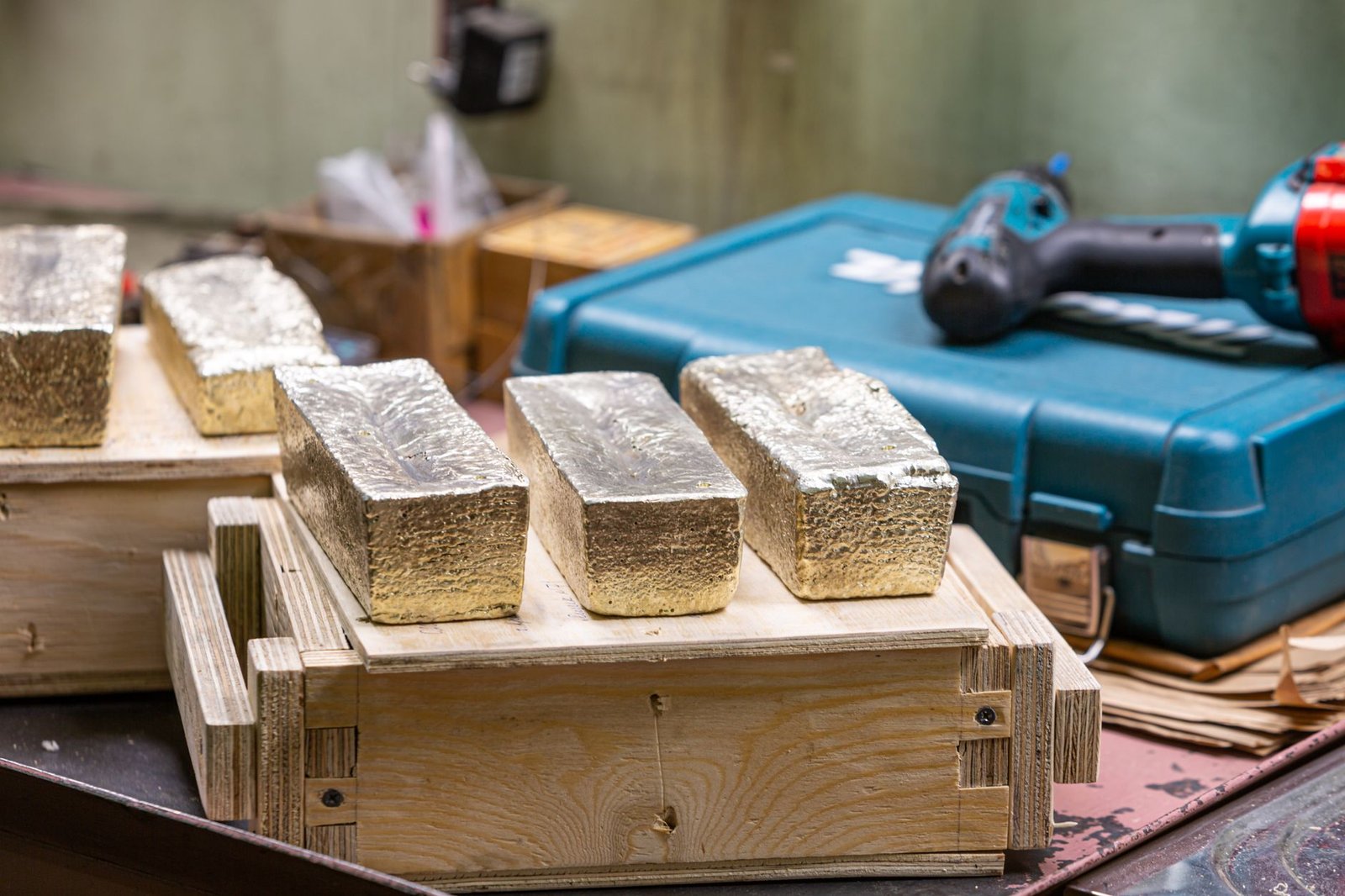
A gradual shift away from the U.S. dollar in global trade and reserves is drawing renewed attention to gold, which many central banks and analysts see as a neutral store of value in a changing monetary order.
For decades, the U.S. dollar has sat at the center of global trade and finance. Most commodities are priced in dollars. Most foreign exchange reserves are held in dollar assets. But that dominance is being questioned more openly than at any point since the post-World War II monetary system was built — and gold is emerging as a potential beneficiary.
De-dollarisation is the broad term for efforts by countries to conduct more trade and hold more reserves outside the dollar. It is not a sudden break; it is a slow, uneven process. But it has gathered pace in recent years as geopolitical tensions, Western financial sanctions on Russia, and a general desire by some nations to reduce exposure to U.S. policy decisions have pushed governments to look for alternatives.
Gold fits neatly into that search. Unlike the dollar, the euro, or the yuan, gold is no one country’s currency. It carries no credit risk — there is no government behind it that can default or print more. Central banks in emerging markets, notably in Asia and the Middle East, have been steady buyers of gold in recent years, a trend tracked by the International Monetary Fund and the World Gold Council.
For investors and market watchers, the connection is straightforward: if central banks continue accumulating gold as a reserve asset alongside — or instead of — U.S. Treasuries, that represents a structural source of demand that could support prices over time. It is a different dynamic from the typical short-term drivers of gold, such as inflation fears or a weaker dollar, though those forces can work in the same direction.
There are real limits to how far de-dollarisation can go, at least quickly. Dollar-denominated debt markets are enormous and deeply liquid. No single alternative currency or asset can replace that infrastructure overnight. Most trade contracts, from oil to grains, are still settled in dollars, and that is unlikely to change in the near term.
Still, the direction of travel matters for commodity markets. Gold’s status as a monetary metal — something between a commodity and a currency — puts it in a unique position. If the global reserve system slowly diversifies, gold is one of the few assets that benefits regardless of which currency or bloc gains ground. That makes it worth watching closely as this longer-term shift unfolds.
Central bank gold buying and currency reserve trends will be key signals to track as global trade arrangements continue to shift.