Yemen’s Houthi movement has quietly restructured the country’s commercial sector to generate substantial revenue, raising questions about how armed groups sustain themselves financially during prolonged conflict — and at what cost to ordinary civilians.
Despite years of war and one of the world’s worst humanitarian crises, the Houthi movement in Yemen has constructed a functioning war economy — a parallel financial system designed to fund military operations and consolidate political control over territory it governs.
Reports indicate the group has secured billions of dollars in revenue by taking control of key commercial channels, including imports, fuel distribution, and taxation systems in areas under its authority. Rather than relying solely on outside support, the Houthis appear to have institutionalized revenue collection in ways that resemble a state apparatus, even as formal Yemeni government institutions have largely collapsed in those regions.
War economies like this one follow a well-documented pattern. When a non-state actor controls territory, it typically moves quickly to tax trade flows, seize productive assets, and redirect commerce through networks it can monitor and profit from. That revenue then funds both military capacity and a degree of patronage that cements local loyalty — or at least compliance.
The broader economic consequences for ordinary Yemenis are severe. When armed groups control imports and distribution, consumer prices can rise sharply and supply chains become unreliable. Aid organizations have long flagged that financial manipulation by warring parties compounds food insecurity and limits the reach of humanitarian assistance.
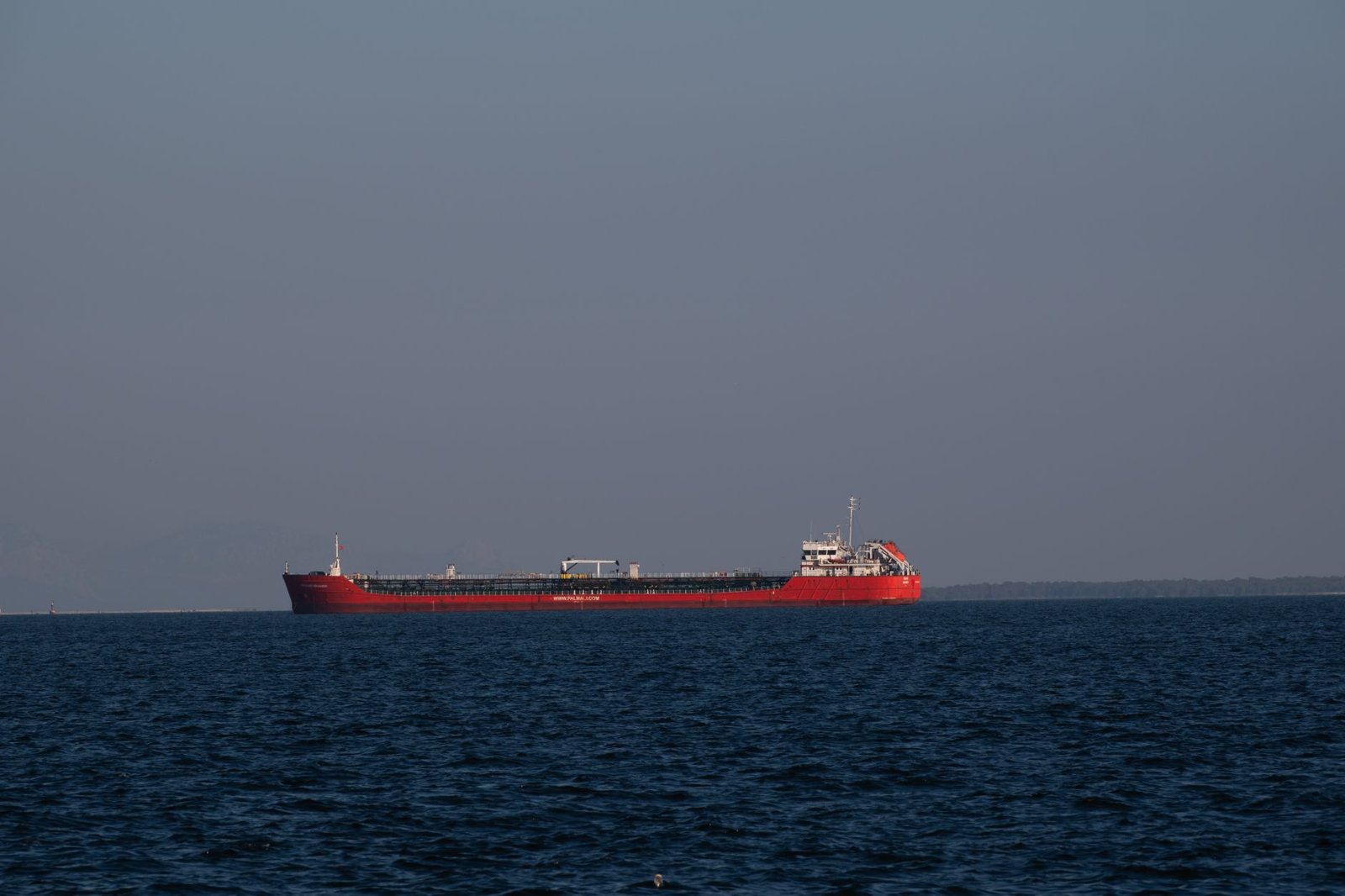
From a global markets perspective, Yemen sits along the Bab el-Mandeb Strait, one of the world’s most strategically important shipping lanes. Houthi attacks on commercial vessels in the Red Sea — which intensified in late 2023 and continued into 2024 — have already disrupted global shipping routes and pushed freight costs higher. A more financially entrenched Houthi movement could mean that disruption proves harder to resolve diplomatically or militarily.
International efforts to cut off Houthi revenue streams have had limited success. Sanctions and naval patrols have reduced some flows but have not dismantled the broader economic infrastructure the group has built over years of conflict.
How durable the Houthi war economy proves — and whether international pressure can meaningfully erode it — will shape both Yemen’s humanitarian outlook and the stability of a critical global shipping corridor.