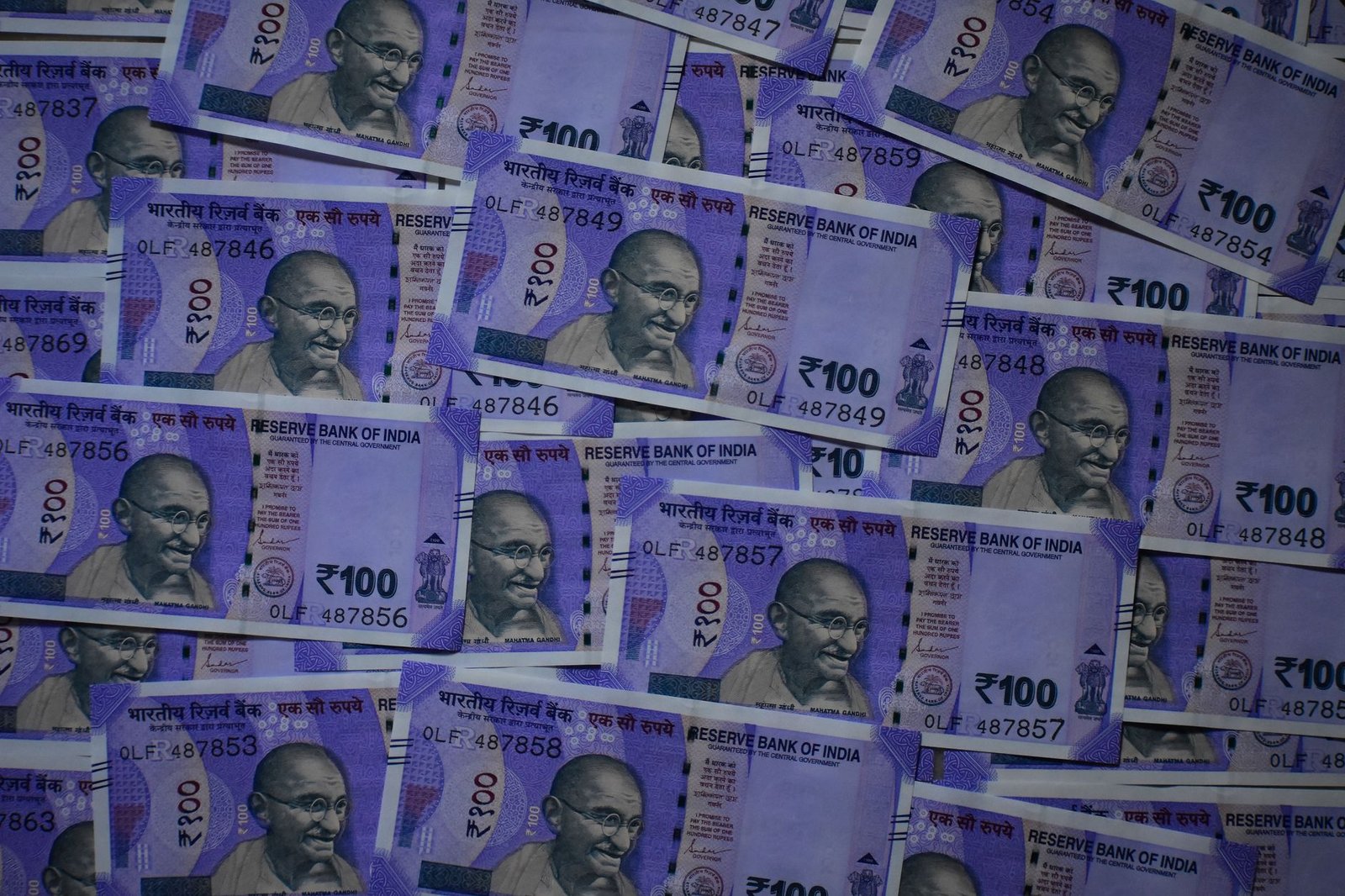
The Indian rupee is expected to trade within a defined range in the near term, with analysts pointing to climbing global bond yields and sustained outflows from foreign portfolio investors as the chief risks to the currency.
Currency analysts are forecasting the Indian rupee to hold within a relatively narrow band in the coming sessions, though the path is not without hazards. Two forces in particular are drawing attention: rising yields in global bond markets and a continued exit of foreign portfolio investors, known as FPIs, from Indian assets.
Global bond yields — the returns investors demand to hold government debt — have been climbing in major markets, reflecting expectations that interest rates in developed economies may stay higher for longer. When yields rise abroad, money tends to flow out of emerging markets like India in search of better returns with lower perceived risk. That dynamic puts downward pressure on currencies like the rupee.
FPI outflows compound the problem. Foreign portfolio investors move capital in and out of emerging-market stocks and bonds relatively quickly compared with direct investors who build factories or businesses. When they pull money out, they sell rupee-denominated assets and convert the proceeds back into dollars or other currencies, increasing demand for foreign exchange and weakening the local currency in the process.
India’s central bank, the Reserve Bank of India, typically monitors currency moves and can intervene in foreign exchange markets to smooth out sharp swings, drawing on the country’s foreign exchange reserves. The degree to which it chooses to act — or hold back — will be a key variable for traders watching the rupee.
For Indian importers, a weaker rupee means higher costs for goods priced in dollars, including crude oil, which India buys in large quantities from global markets. That can feed through into domestic fuel and goods prices over time, adding a modest inflation dimension to what is primarily a currency story.
Traders will be watching global yield trends and weekly FPI flow data closely for signals on whether the rupee can hold within its expected range.