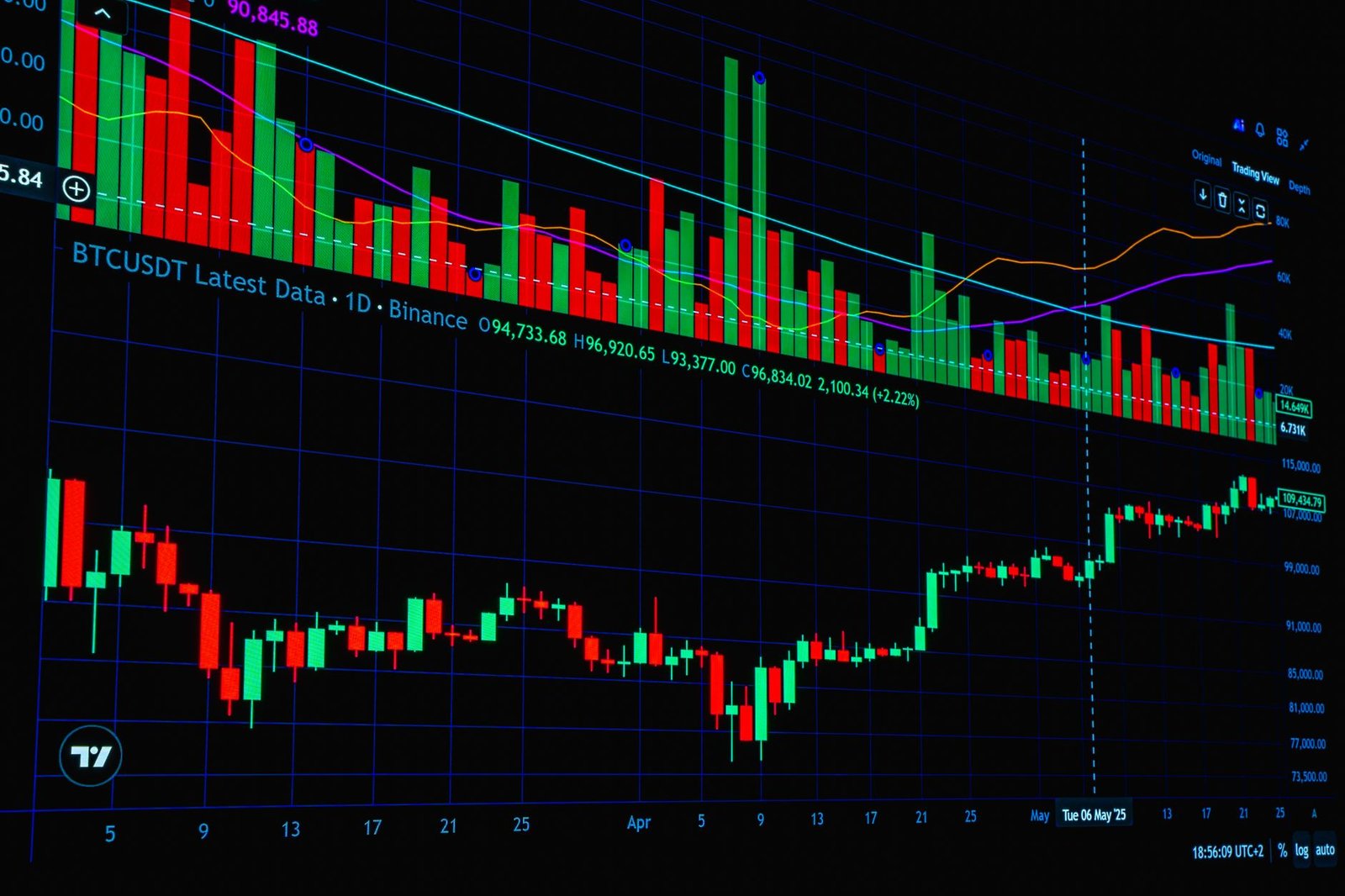
U.S. stock index futures pointed modestly higher ahead of a closely watched monthly jobs report, with investors bracing for data that could shape the Federal Reserve’s next move on interest rates.
Futures tied to the technology-heavy Nasdaq index edged up in early trading, reflecting a cautious but mildly optimistic mood on Wall Street. The gains come ahead of the government’s monthly employment report, which is widely seen as one of the most important economic indicators the Fed uses when deciding whether to raise, cut, or hold interest rates.
The jobs report measures how many people were hired or laid off across the U.S. economy and what happened to the unemployment rate and wages. A strong reading — lots of new jobs, low unemployment, rising pay — can push the Fed toward keeping rates higher for longer, since a healthy labor market often signals the economy can handle tighter borrowing conditions. A weak reading can raise hopes for rate cuts, which typically give stocks a lift.
That relationship between jobs data and interest rates is why markets tend to move sharply on the day the report is released. Bond yields, the dollar, and stock futures can all shift within minutes of the data hitting the wire, as traders quickly reprice their bets on where rates are headed.
Technology stocks have been especially sensitive to rate expectations in recent months. Higher rates tend to weigh more heavily on growth-oriented companies because they reduce the present value of future earnings — the profits that tech firms are often priced on. That dynamic explains why the Nasdaq, which is loaded with tech names, can swing more than broader indexes when rate expectations shift.
Beyond the headline jobs number, investors and economists will be paying close attention to wage growth, which feeds directly into inflation, and the labor force participation rate, which shows how many working-age adults are actively seeking jobs. Those details often matter as much as the top-line figure for gauging where the economy — and Fed policy — are headed.
The jobs report will be a key input for markets and the Fed alike, and the reaction in stocks and bonds should clarify whether investors see the next rate move as a cut or a hold.