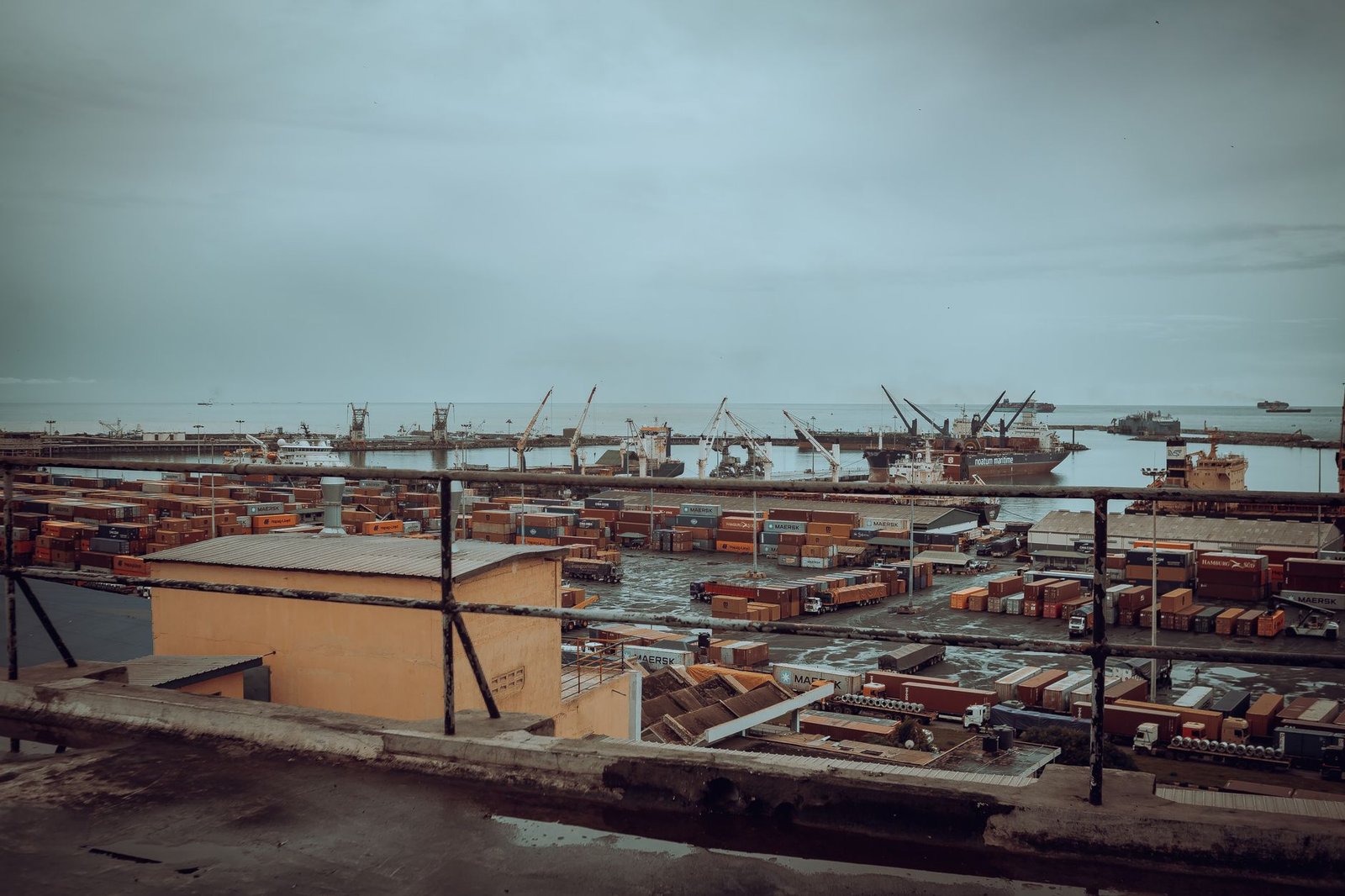
Nigeria’s federal government is pursuing closer logistics and trade ties with China as part of a broader push to reach a $1 trillion economy. The strategy reflects a growing emphasis on infrastructure and supply-chain investment to drive long-term growth.
Nigeria’s government has set its sights on a $1 trillion economy, and officials say stronger logistics partnerships with China are a central pillar of that ambition. The plan signals a deepening of economic ties between Africa’s most populous nation and its largest trading partner.
Logistics — the movement, storage, and distribution of goods — is widely seen as a bottleneck for Nigeria’s growth. Weak port infrastructure, road networks, and customs systems have long raised the cost of doing business and slowed the country’s ability to attract foreign investment and build out manufacturing capacity.
China has become a major player in African infrastructure through its Belt and Road Initiative and direct bilateral lending and contracting. Closer logistics cooperation could mean investment in ports, rail links, and warehousing, as well as smoother customs and trade procedures between the two countries.
Reaching a $1 trillion GDP would represent a significant expansion from Nigeria’s current economic size. Economists generally note that sustained growth at that scale requires not only infrastructure spending but also currency stability, a reliable energy supply, and a business environment that attracts private investment — all areas where Nigeria has faced persistent challenges.
For global investors and commodity markets, Nigeria’s trajectory matters. The country is a major oil producer, and any meaningful shift in its growth path could influence capital flows into frontier and emerging markets across sub-Saharan Africa more broadly.
The government’s push also comes as African nations increasingly look to diversify trade and investment partnerships, balancing relationships with China, the United States, the European Union, and Gulf states.
How quickly logistics investment translates into measurable growth will be the key test of this strategy in the years ahead.