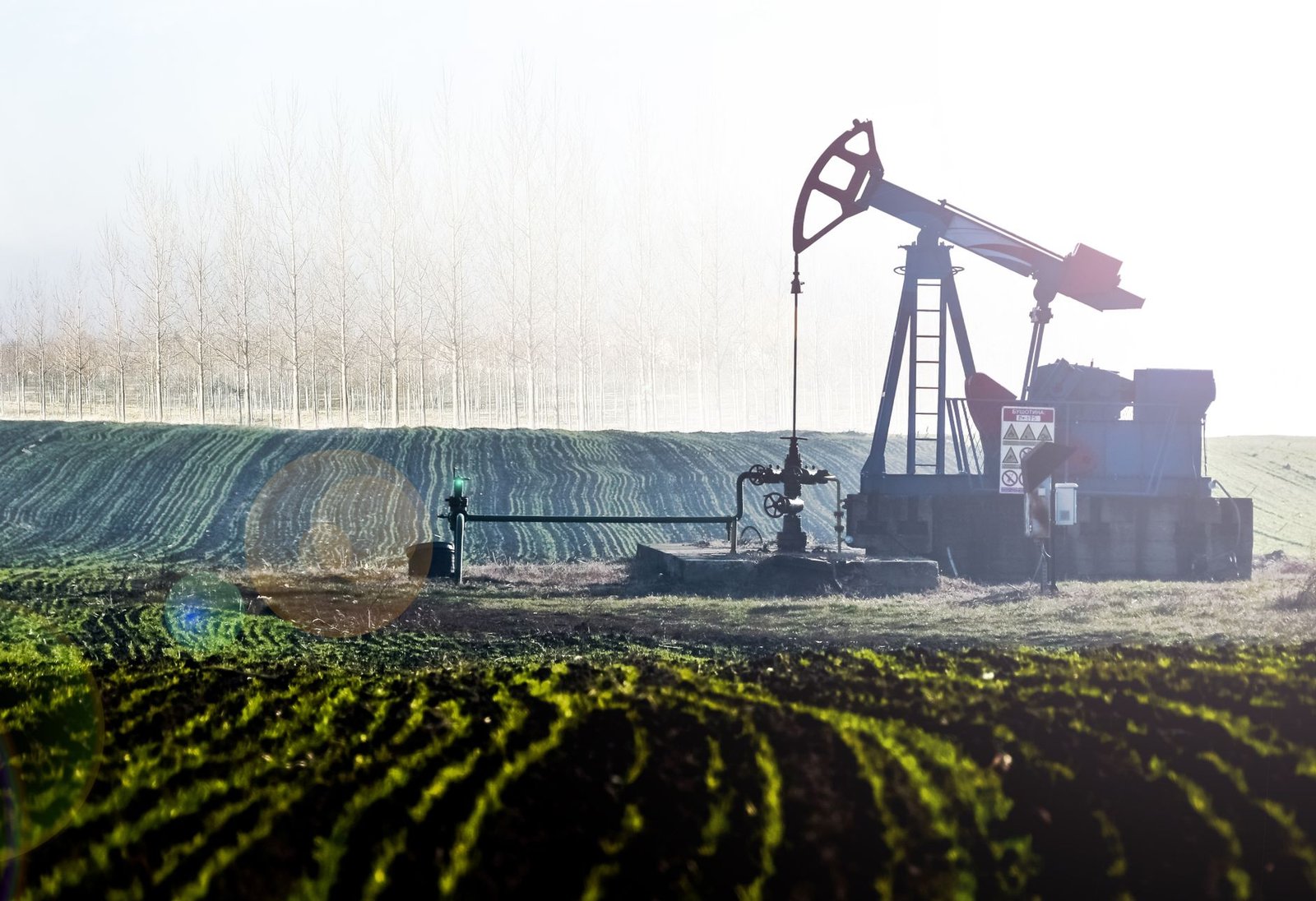
Crude oil prices are facing pressure from two opposing forces: ongoing geopolitical tensions that push prices higher, and signs of a weakening global economy that could curb demand.
Oil markets are caught in a tug of war. On one side, geopolitical tensions in key producing regions are keeping a so-called risk premium baked into prices — meaning traders pay extra for oil because supply disruptions are always a possibility. On the other side, a global economy that is losing momentum threatens to reduce how much oil the world actually needs.
A geopolitical premium is the portion of an oil price that reflects fear rather than current supply and demand. When conflict or instability threatens oil production or shipping routes, traders bid prices up as insurance. That premium can evaporate quickly if the threat passes or if other concerns take over.
Right now, those other concerns are growing. Slower growth in major economies — including China, Europe, and parts of the emerging world — points to softer energy demand ahead. When factories produce less and consumers spend less, they burn less fuel. That dynamic tends to push oil prices down, regardless of what is happening in the Middle East or elsewhere.
The tension between these two forces makes the outlook for oil unusually uncertain. If geopolitical risks ease, prices could fall sharply as the premium drains out. If the global economy slows more than expected, demand weakness could overwhelm any supply concerns and weigh on prices for a sustained period.
For central banks, oil price moves matter because energy costs feed directly into inflation. A sustained drop in oil would ease pressure on households and give policymakers more room to hold or cut interest rates. A renewed surge would complicate that picture, potentially keeping inflation above target even as growth slows — a difficult combination to manage.
Watch for shifts in global growth forecasts and any escalation or de-escalation in key oil-producing regions, as either could quickly reset where prices settle.