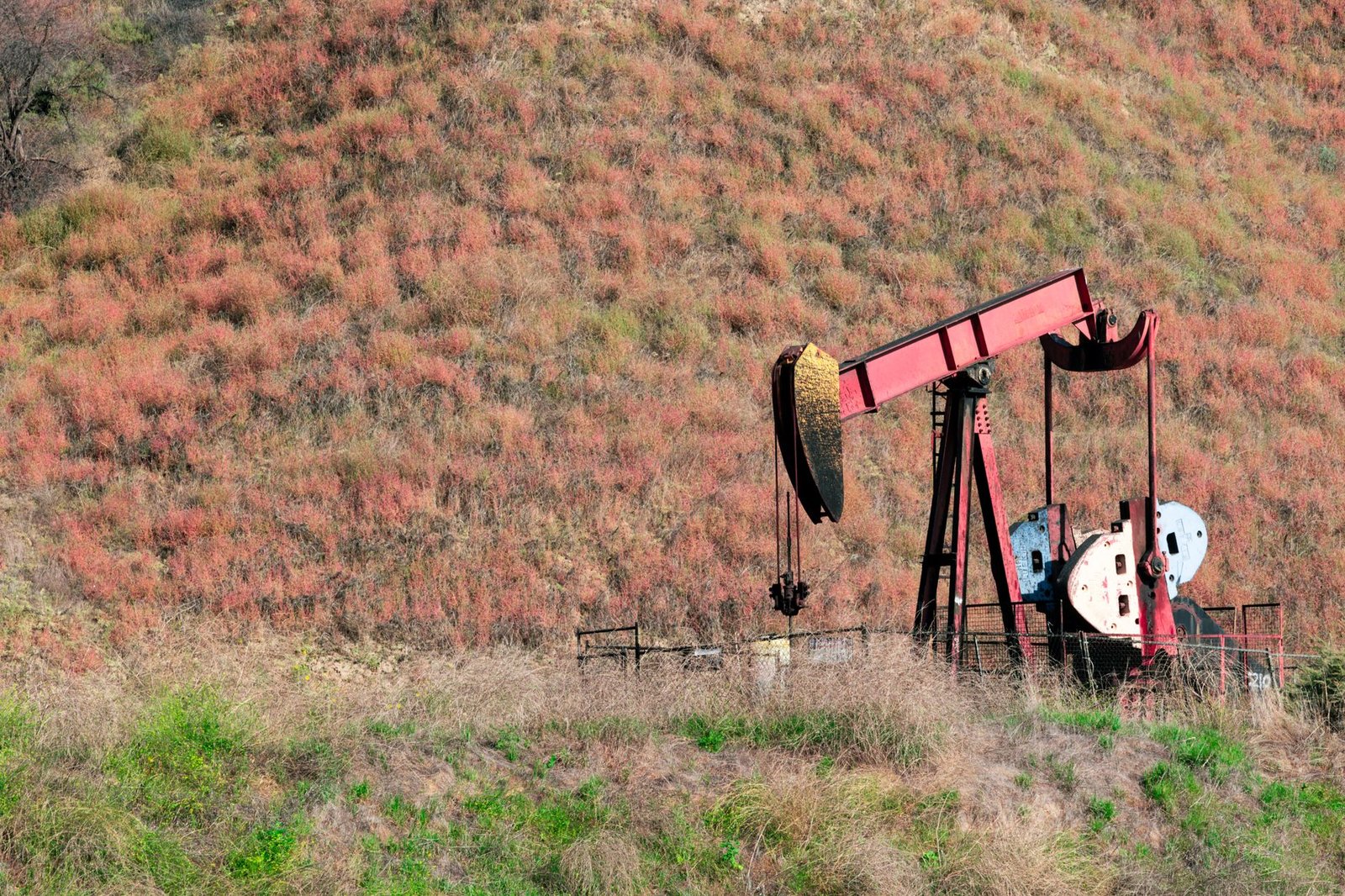
A sharp rise in oil prices is roiling financial markets worldwide, reviving concerns about inflation and putting central banks in a difficult position just as many had hoped to ease policy pressure.
Rising oil prices are sending ripples across global markets, pushing up borrowing costs and rekindling the kind of inflation worries that central banks spent much of the past several years fighting to contain. When energy costs climb quickly, they tend to feed through to a wide range of other prices — from transportation and manufacturing to groceries and utilities — making the inflation picture harder to manage.
For central banks, the timing is awkward. Many policymakers had been signaling a gradual shift away from the aggressive rate-hiking cycles that defined recent years. Higher oil prices complicate that calculus. If energy-driven inflation proves persistent, central banks may feel pressure to hold interest rates at elevated levels longer than markets had anticipated — or even consider further tightening.
The impact is being felt broadly. Bond markets tend to react quickly to inflation signals: when investors expect prices to stay elevated, they demand higher yields to compensate, which pushes up borrowing costs for governments, businesses, and consumers alike. Equity markets, meanwhile, face pressure from both the direct cost of energy for companies and the prospect of tighter financial conditions overall.
Emerging-market economies are often among the most exposed to oil shocks. Many import a large share of their energy needs, meaning a sustained price surge drains foreign currency reserves and widens trade deficits. That can put downward pressure on local currencies, which itself adds to import costs and inflation — a difficult feedback loop for central banks with limited room to maneuver.
The key question for investors and policymakers alike is whether the oil move reflects a durable shift in supply conditions or a shorter-term disruption. Supply constraints — whether from major producers curbing output or geopolitical disruptions — tend to be stickier and more inflationary than demand-driven price swings. We’re watching how quickly this filters into headline inflation data and whether central bank communications begin to shift in response.
Energy markets will remain a central variable for inflation and monetary policy outlooks globally in the weeks ahead.