A spike in oil prices to around $108 a barrel and rising Treasury yields sent U.S. stock futures lower as geopolitical tensions between the United States and Iran weighed on investor sentiment ahead of the trading session.
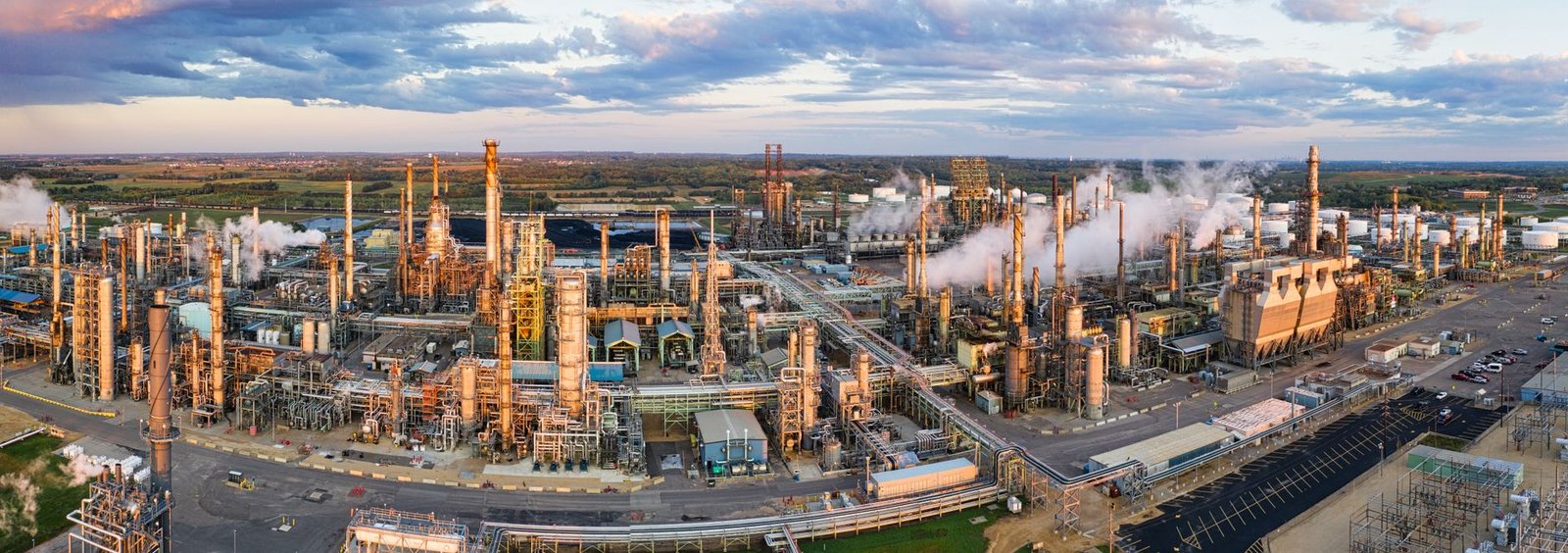
Crude oil climbed sharply to around $108 a barrel as heightened tensions between the United States and Iran raised concerns about potential disruptions to global oil supply. Iran sits at a critical crossroads for oil shipments, and any threat to that flow tends to push energy prices higher quickly. A rise of this magnitude in oil prices adds cost pressure across much of the economy — from transportation to manufacturing — and can complicate the Federal Reserve’s efforts to keep inflation in check.
U.S. stock futures pointed lower in response, with Dow Jones futures declining roughly 0.36% before the opening bell. That is a relatively modest move, but it reflects the cautious tone investors tend to adopt when geopolitical risk flares. When the outlook for energy costs turns uncertain, corporate earnings projections become harder to pin down, and traders often pull back while they wait for clarity.
Treasury yields also moved higher alongside oil prices. That combination — rising yields and rising energy costs — can create a difficult environment for equities. Higher yields make borrowing more expensive for companies and consumers, while higher oil prices squeeze profit margins and household budgets at the same time. Together, they represent a dual headwind that markets watch closely.
The oil market has been sensitive to Middle East developments for decades, and U.S.-Iran tensions in particular have a history of injecting sharp volatility into energy prices. Investors and analysts will be watching for any signs of escalation or de-escalation, since a sustained run above $100 per barrel tends to ripple through broader inflation data in the weeks and months that follow.
For the Federal Reserve, a sharp and lasting rise in oil prices complicates the picture. Energy costs feed into headline inflation figures, and if they stay elevated, policymakers may face renewed pressure — even if the underlying, or core, inflation trend has been moderating. Markets will be watching incoming data closely for any sign that the oil price surge is affecting consumer prices more broadly.
The key question for investors this week is whether oil prices hold above $100 or pull back — the answer could shape both the inflation outlook and the Fed’s next move.