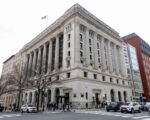
A climb in crude oil prices is feeding concerns that inflation could stay elevated longer, deepening disagreement on Wall Street about the Federal Reserve’s next move on interest rates.
Oil prices moved higher in recent trading, and for investors, that is not just an energy story — it is an inflation story. When crude rises, it tends to push up the cost of gasoline, shipping, and manufacturing. Those higher costs can work their way through the broader economy, keeping inflation from falling as quickly as policymakers would like.
That dynamic has split market participants over what the Federal Reserve will do next. Some investors believe the central bank has done enough to bring price pressures under control and will hold rates steady — or even begin cutting them. Others now argue that a sustained rise in energy costs could force the Fed to keep borrowing costs higher for longer, or even deliver another rate increase.
The debate matters because interest rates affect nearly everything. Higher rates make it more expensive for businesses and consumers to borrow money, which tends to slow spending and cool the economy. They also weigh on stock prices, because future corporate profits are worth less when discounted against a higher rate. That tension was visible in equity markets, where major indexes showed mixed results as traders recalibrated their expectations.
The Federal Reserve has been explicit that its decisions will be driven by incoming data, particularly readings on inflation and the labor market. Energy prices are a volatile and sometimes unreliable guide to where inflation is headed — oil can swing sharply based on supply agreements, geopolitical events, or changes in global demand. The Fed has historically looked past short-term energy swings when making policy, but a persistent rise is harder to ignore.
Bond markets are a useful barometer here. When traders expect the Fed to raise rates, short-term Treasury yields tend to rise. Monitoring those movements in the days ahead will give a clearer picture of whether the market is genuinely shifting toward a more hawkish view, or simply reacting to a temporary spike in oil.
Watch energy prices and short-term Treasury yields closely — together, they will signal whether this rate-hike anxiety has staying power or fades with the next swing in oil.