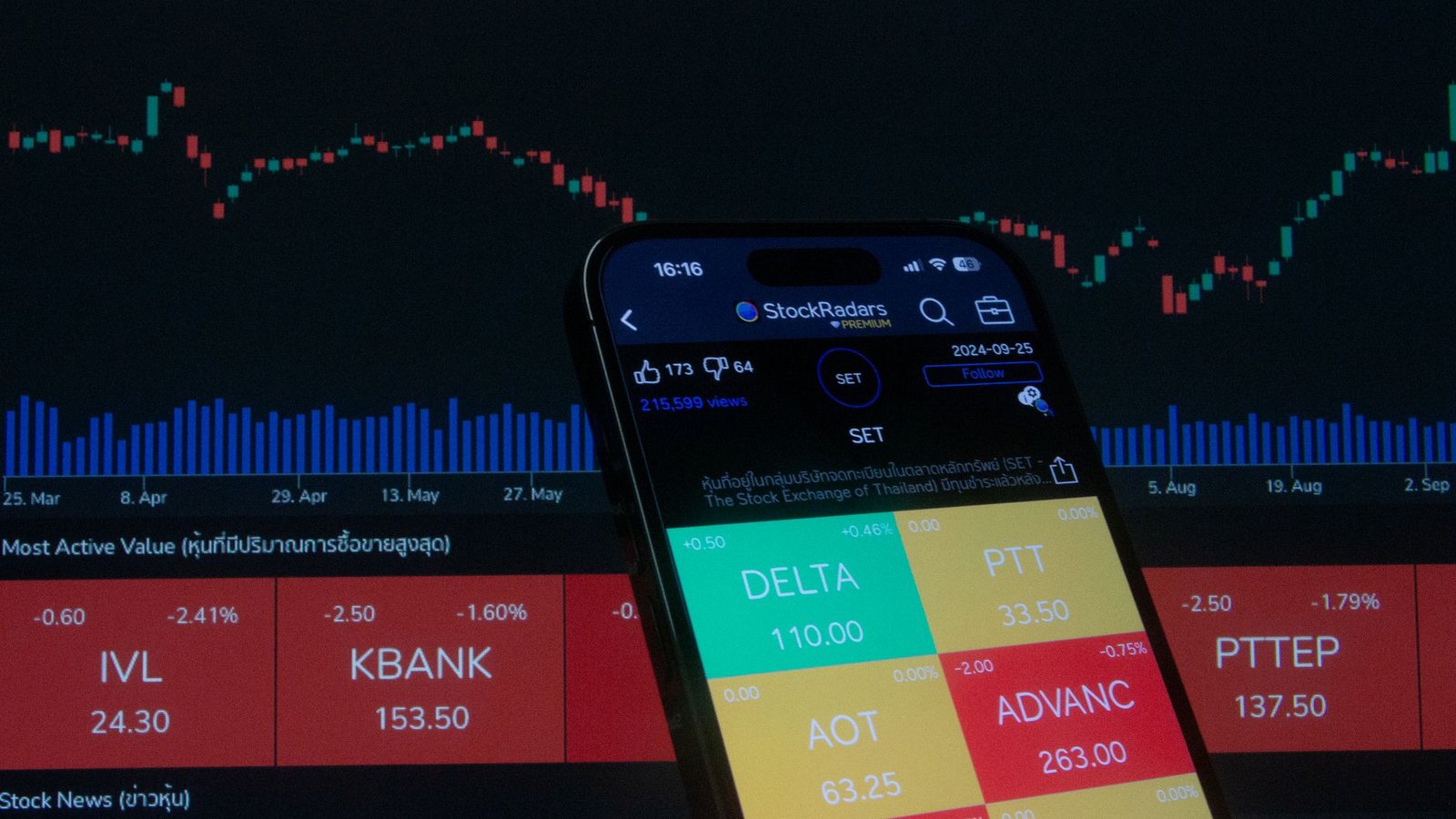
U.S. equity markets are showing a clear shift in investor appetite, with money moving out of high-flying artificial intelligence names and into sectors that had been left behind. At the same time, oil prices continue to drift lower, adding a new dimension to the market’s direction.
A rotation that has been building for several weeks appears to be picking up speed. Investors are trimming positions in the technology and AI-related stocks that drove much of the market’s gains over the past two years, and redirecting that capital toward beaten-down corners of the market — sectors like industrials, financials, energy, and consumer staples that had lagged the broader rally.
This kind of rotation is not unusual late in a market cycle or when investors begin to question whether high valuations in a leading sector can be sustained. AI-related stocks attracted enormous enthusiasm and capital as earnings from major technology companies seemed to validate the growth story. But when a sector rises far and fast, even small shifts in sentiment can push investors to look for value elsewhere.
The rotation does not necessarily signal that investors have turned pessimistic overall. In many cases, a broadening of market participation — where gains spread beyond a narrow group of leaders — is seen as a sign of underlying health in the broader economy. Analysts often describe it as the market “widening out.”
Meanwhile, oil prices have continued to ease in recent trading. Falling energy prices can act as a quiet stimulus for consumers and businesses, reducing input costs and leaving more room in household budgets. For inflation watchers, softer oil prices are broadly welcome, as energy feeds into a wide range of goods and services prices.
There is a tension to watch, however. Lower oil prices can also reflect concern about weaker global demand, which would tell a more cautious story about the economic outlook. Markets will be weighing both interpretations as more data comes in over the weeks ahead.
For now, the combination of a sector rotation and sliding oil prices suggests investors are reassessing risk and repositioning portfolios — a normal part of how markets process shifting expectations about growth, rates, and earnings.
Watch whether the rotation into value and cyclical sectors holds, and whether oil prices stabilize or continue lower as a signal about global demand.