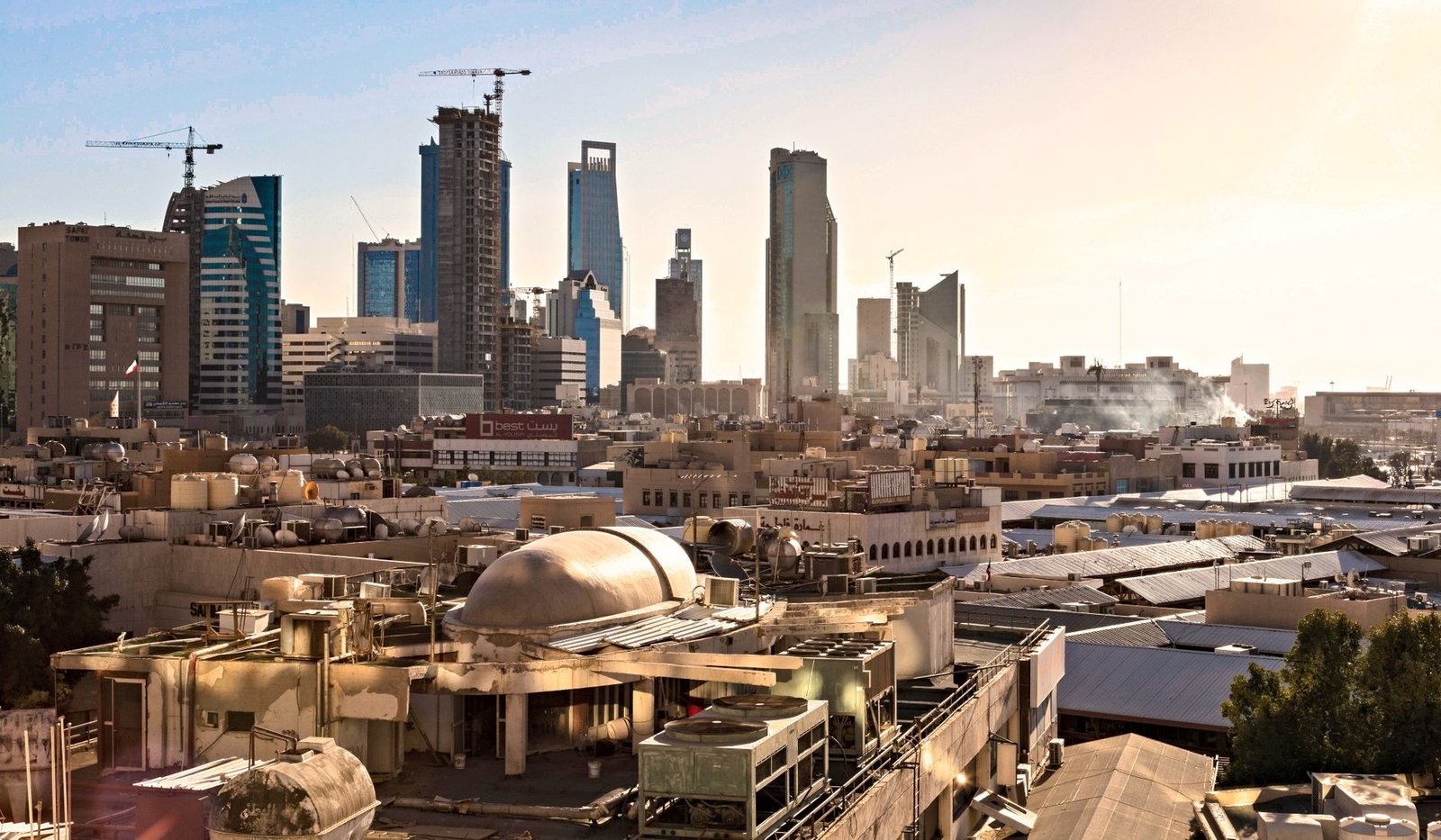
Saudi Arabia’s long-running economic transformation plan is attracting major international logistics operators, reflecting the kingdom’s push to become a global trade and distribution hub.
Saudi Arabia’s Vision 2030 program — the kingdom’s blueprint for reducing its dependence on oil revenues — continues to reshape its trade infrastructure, drawing in global freight and logistics companies looking to capitalize on the country’s expanding commercial networks.
At its core, Vision 2030 aims to diversify the Saudi economy by building out non-oil industries, upgrading ports and airports, and positioning the kingdom as a bridge between Asia, Africa, and Europe. Trade and logistics sit near the center of that strategy. The Saudi government has invested heavily in free trade zones, customs modernization, and new transport corridors designed to speed goods through the region.
For global logistics firms, the appeal is straightforward. Saudi Arabia is the largest economy in the Arab world, and its population of roughly 35 million people represents a significant consumer market. Rising non-oil exports — including chemicals, plastics, and manufactured goods — are also generating new demand for international freight services.
The kingdom’s geography adds to its strategic value. Sitting at the crossroads of major shipping lanes, Saudi Arabia has real potential as a transshipment hub, where goods are moved, sorted, and redistributed to surrounding markets in the Gulf, Africa, and beyond.
Partnerships between the Saudi government and international logistics operators also reflect a broader pattern across Gulf economies. The United Arab Emirates, Qatar, and Bahrain have each pursued similar strategies, competing to attract global companies and investment by offering streamlined customs procedures, modern infrastructure, and business-friendly regulations.
Progress on Vision 2030 has been uneven across sectors, and large-scale economic transformations of this kind routinely take longer than planned. Still, the continued engagement of major international firms signals that outside investors see real commercial opportunity in the kingdom’s push to diversify.
How quickly Saudi Arabia can translate logistics investment into sustained non-oil export growth will be a key measure of Vision 2030’s progress in the years ahead.