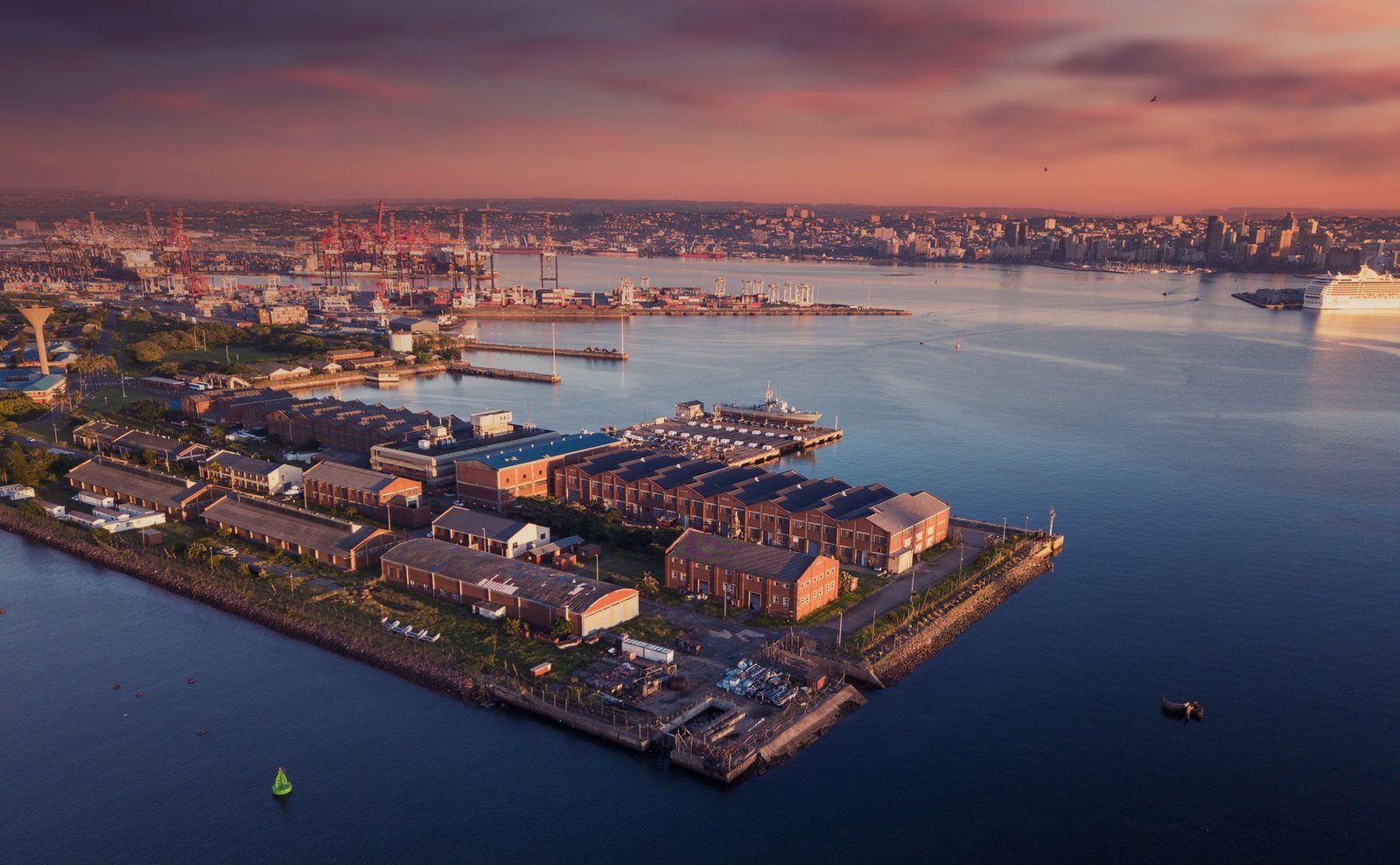
A special economic zone near Durban is drawing attention for its role in supporting jobs and trade in one of South Africa’s key provinces. The Dube TradePort Special Economic Zone has been highlighted as a meaningful contributor to the regional economy of KwaZulu-Natal.
Special economic zones, known as SEZs, are designated areas where governments offer tax breaks, streamlined customs rules, and other incentives to attract investment and boost exports. South Africa has used them as a policy tool to stimulate growth in regions that need it most.
Dube TradePort, located adjacent to King Shaka International Airport north of Durban, is one of the country’s most prominent SEZs. Its position next to a major airport gives it a logistics advantage, making it attractive for industries that move high-value or time-sensitive goods — think pharmaceuticals, electronics, and perishable agricultural products.
KwaZulu-Natal is South Africa’s third-largest provincial economy and home to the country’s busiest container port, Durban. Economic activity in the province has faced headwinds in recent years, including infrastructure strain and the severe flooding that disrupted supply chains in 2022. Against that backdrop, a functioning industrial zone capable of drawing private investment carries real weight for the local economy.
When SEZs perform well, the effects ripple outward. They tend to create direct employment within the zone itself, but also support jobs in transport, warehousing, and services that feed into the zone’s operations. For a province working to rebuild economic momentum, sustained activity at Dube TradePort is a constructive sign.
South Africa’s national government has placed SEZs at the center of its industrial policy in recent years, with the goal of diversifying the economy and reducing unemployment, which remains among the highest in the world. Whether individual zones translate policy intent into lasting growth depends heavily on private sector participation and reliable infrastructure — both of which remain ongoing challenges nationally.
Progress at Dube TradePort will be worth watching as a measure of whether South Africa’s SEZ model is delivering on its broader economic promise.