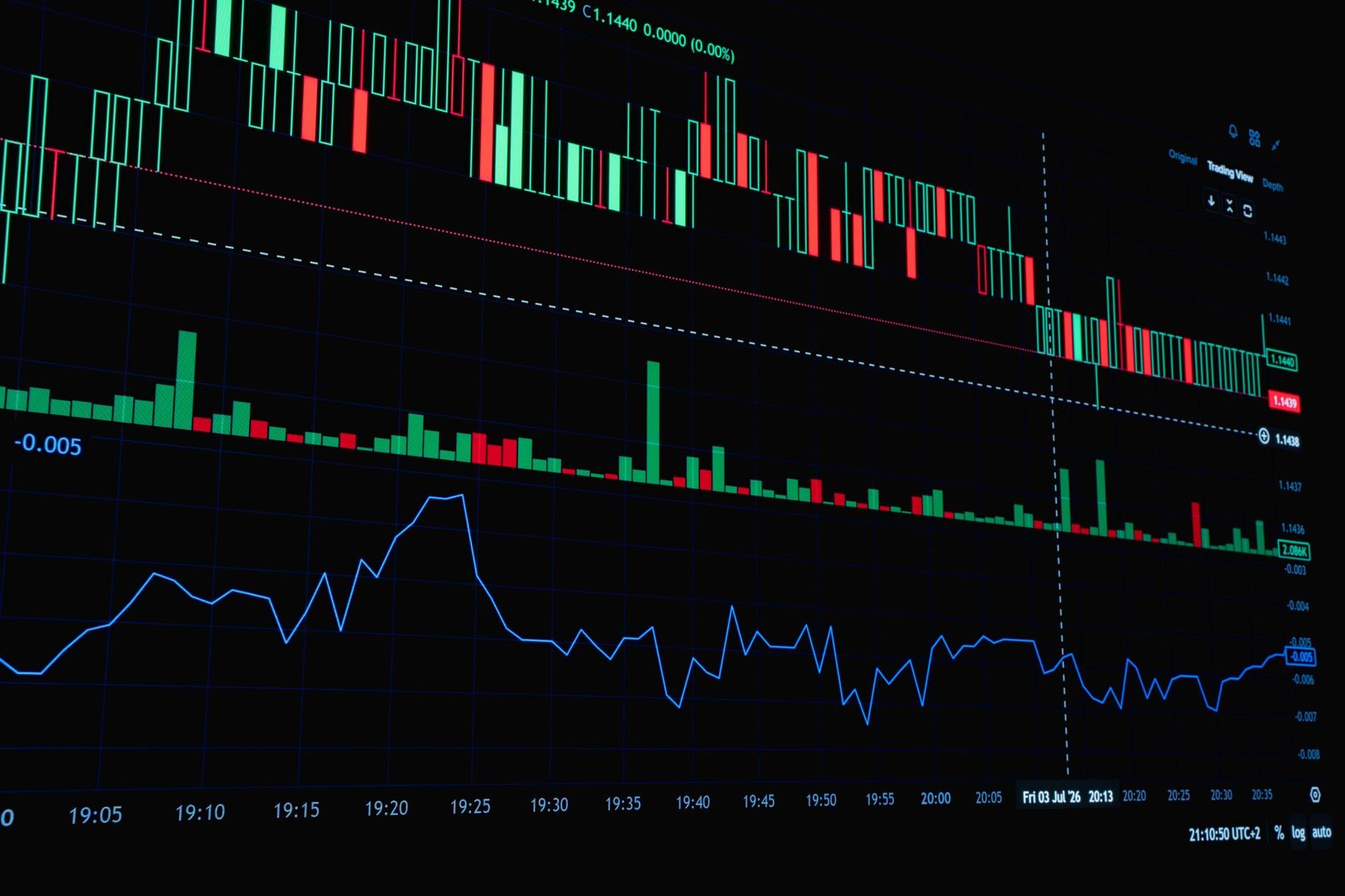
Global equities moved higher and U.S. Treasury yields pulled back in recent trading, while Japan’s yen posted a sharp advance against the dollar — a combination that signals shifting sentiment around risk and interest rate expectations.
Stock markets gained ground in the latest session as investors stepped back from recent caution, pushing equities higher across major indexes. At the same time, U.S. Treasury yields eased — meaning bond prices rose — a move that often reflects expectations that interest rates may not stay as high as previously feared, or that demand for safer assets is building.
The standout move, however, came in currency markets. The Japanese yen climbed sharply against the U.S. dollar, a shift that can carry significant consequences across global markets. When the yen strengthens, it can unwind so-called “carry trades” — where investors borrow cheaply in Japan and invest in higher-yielding assets elsewhere. A sudden yen rally can force those positions to be closed quickly, influencing stocks, bonds, and other currencies simultaneously.
The yen’s strength may reflect growing expectations that the Bank of Japan, which has kept interest rates near zero for decades, could continue moving toward a more normal rate policy. Any narrowing of the gap between Japanese and U.S. interest rates tends to support the yen, since the appeal of holding dollar-denominated assets over yen-denominated ones diminishes.
The easing of U.S. yields adds another layer to the picture. Lower Treasury yields generally reduce borrowing costs, support equity valuations, and can weaken the dollar — all of which were visible in this session’s moves. The pattern suggests markets may be pricing in a softer path for U.S. monetary policy, though the Federal Reserve has not signaled any change in its current stance.
Together, these moves — rising stocks, lower yields, and a stronger yen — paint a picture of a market reassessing the interest rate outlook on both sides of the Pacific. Whether this shift reflects durable new expectations or short-term repositioning remains to be seen.
Watch for upcoming U.S. economic data and any signals from the Bank of Japan to see whether this session’s moves reflect a lasting trend or a brief bout of repositioning.