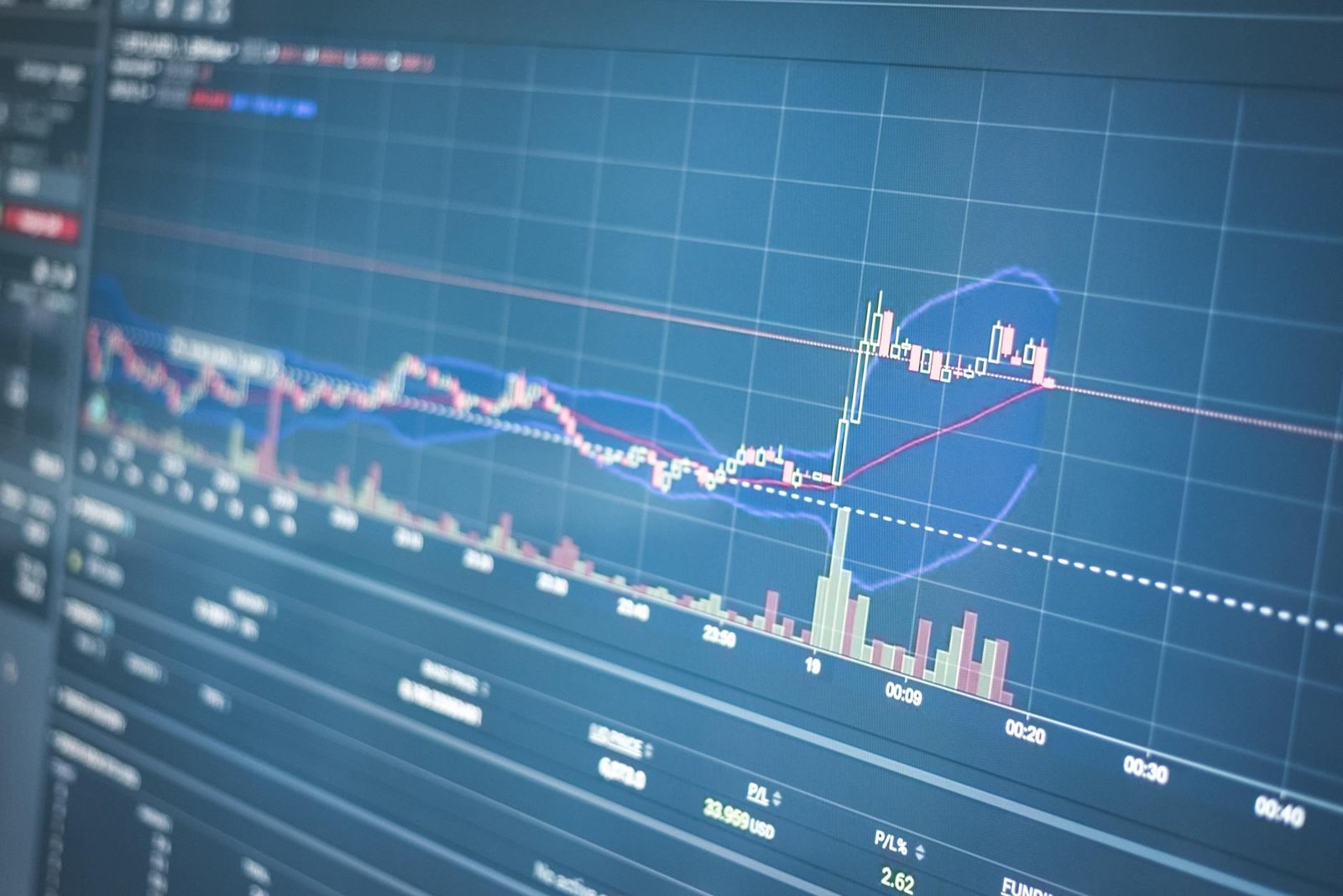
U.S. stocks fell in midday trading as rising bond yields and renewed concern about stubborn inflation pressured equities. The retreat reflects a familiar tension: when borrowing costs climb, the appeal of stocks tends to dim.
Equity markets turned lower in recent trading, with investors pulling back as government bond yields moved higher and inflation anxieties returned to the fore. The combination is a classic headwind for stocks — higher yields make bonds more competitive with equities, and they raise the cost of borrowing for companies and consumers alike.
Inflation fears have been difficult to shake this year. Even as some price pressures have eased from their recent peaks, the pace of cooling has been uneven. That uneven progress has kept the Federal Reserve cautious about cutting interest rates, and markets have been adjusting their expectations accordingly. When rate cuts look less likely, longer-term bond yields tend to rise — and stocks often feel the pinch.
The relationship between yields and stock prices is well established. Companies are valued in part by discounting their expected future earnings back to today. When interest rates are high, those future earnings are worth less in today’s dollars, which can drag down stock valuations — particularly for growth-oriented companies whose profits are weighted further into the future.
Broad market weakness in sessions like this one tends to hit technology and other high-valuation sectors hardest, while more defensive areas — such as utilities or consumer staples — sometimes hold up better. Investors in those moments often seek out assets that offer steadier, more predictable returns.
The macro backdrop remains unsettled. The Fed has signaled it wants more confidence that inflation is durably returning to its 2% target before moving rates lower. Until that confidence is established, elevated borrowing costs look set to remain a feature of the landscape, keeping pressure on both bonds and equities.
Watch upcoming inflation data and Fed commentary for the clearest signals on where yields — and markets — are headed next.