U.S. stocks fell sharply after a stronger-than-expected jobs report raised fears that the Federal Reserve may need to keep interest rates higher for longer — or even raise them again.
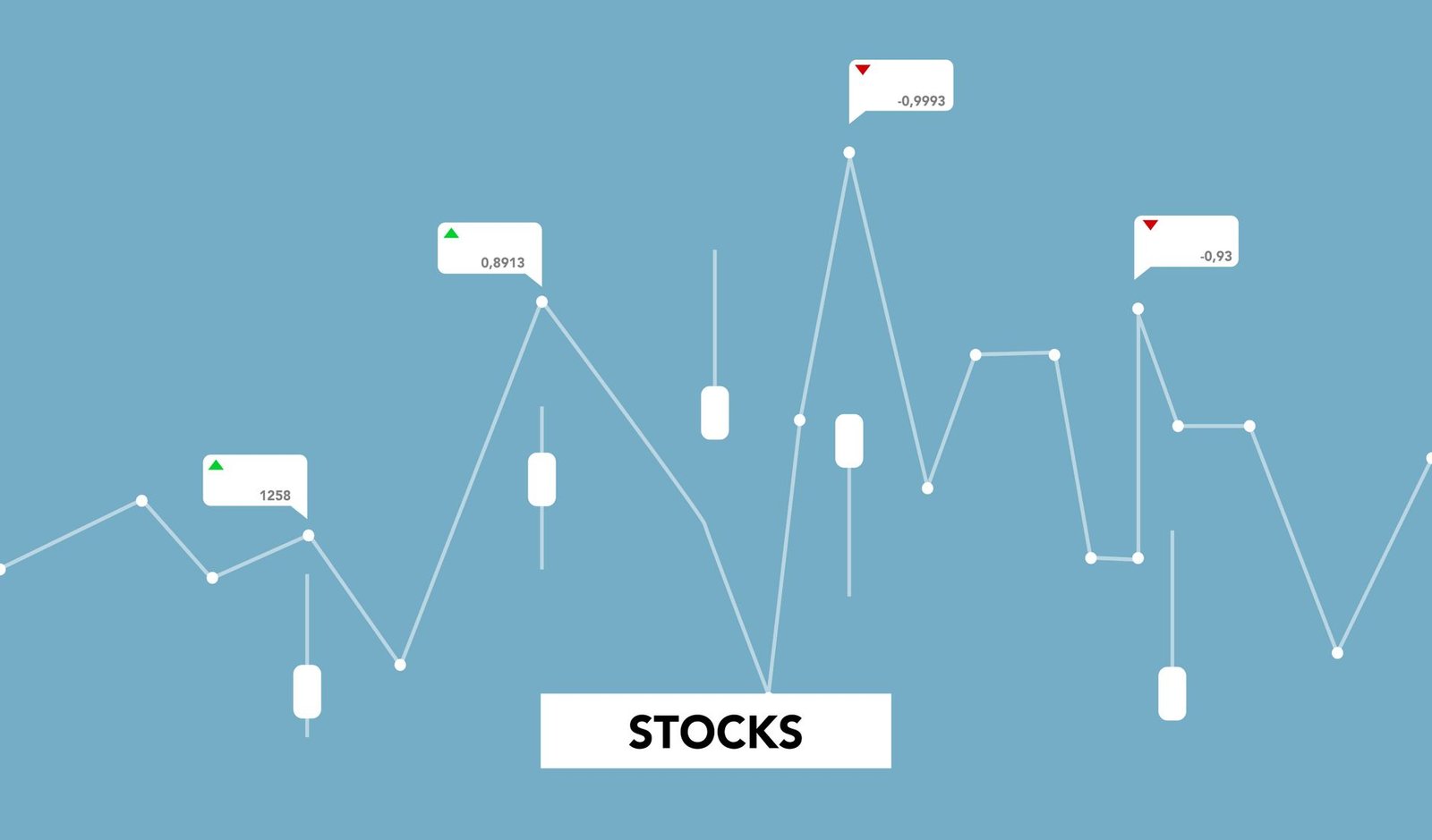
American stocks sold off broadly in the latest session, with the Nasdaq composite leading the declines in what amounted to its steepest single-day drop since April 2025. The S&P 500 and the Dow Jones Industrial Average also closed lower as investors reassessed the interest rate outlook following a labor market report that came in hotter than anticipated.
The catalyst was fresh employment data showing the U.S. economy is still generating jobs at a robust pace. While a healthy labor market is generally good news for workers and the broader economy, strong job growth can also mean persistent consumer spending — and persistent spending can keep inflation elevated. That kind of environment leaves the Federal Reserve with less room to cut rates and, in a worst case for markets, could even put rate hikes back on the table.
Interest rates matter enormously for stock prices. When rates rise, the cost of borrowing goes up for companies and consumers alike, which tends to slow earnings growth. Higher rates also make the fixed returns on bonds more attractive relative to stocks, pulling money out of equities. Technology-heavy indexes like the Nasdaq tend to feel that pressure most acutely because tech company valuations often rest on the promise of future profits — profits that look less valuable when discounted at a higher rate.
The selloff was broad, touching a range of well-known names across sectors, reflecting how widely rate expectations ripple through the market when they shift quickly. Bond yields, which move opposite to bond prices, rose as traders priced in a reduced chance of near-term Fed rate cuts and a somewhat higher chance of further tightening.
For the Fed, the dilemma is familiar: strong employment is part of its mandate, but so is price stability. If wage growth and spending remain elevated, policymakers may conclude that monetary policy is not yet restrictive enough. Fed officials have repeatedly signaled they are in no rush to ease, and a blowout jobs number gives them more reason to hold firm — or act again.
Markets have oscillated this year between optimism that rate cuts were imminent and concern that the economy’s resilience would delay or cancel those cuts. The latest data appears to have reset expectations in the hawkish direction, at least for now.
Investors will be watching upcoming inflation data and any Fed commentary closely to gauge whether this repricing of rate expectations holds.