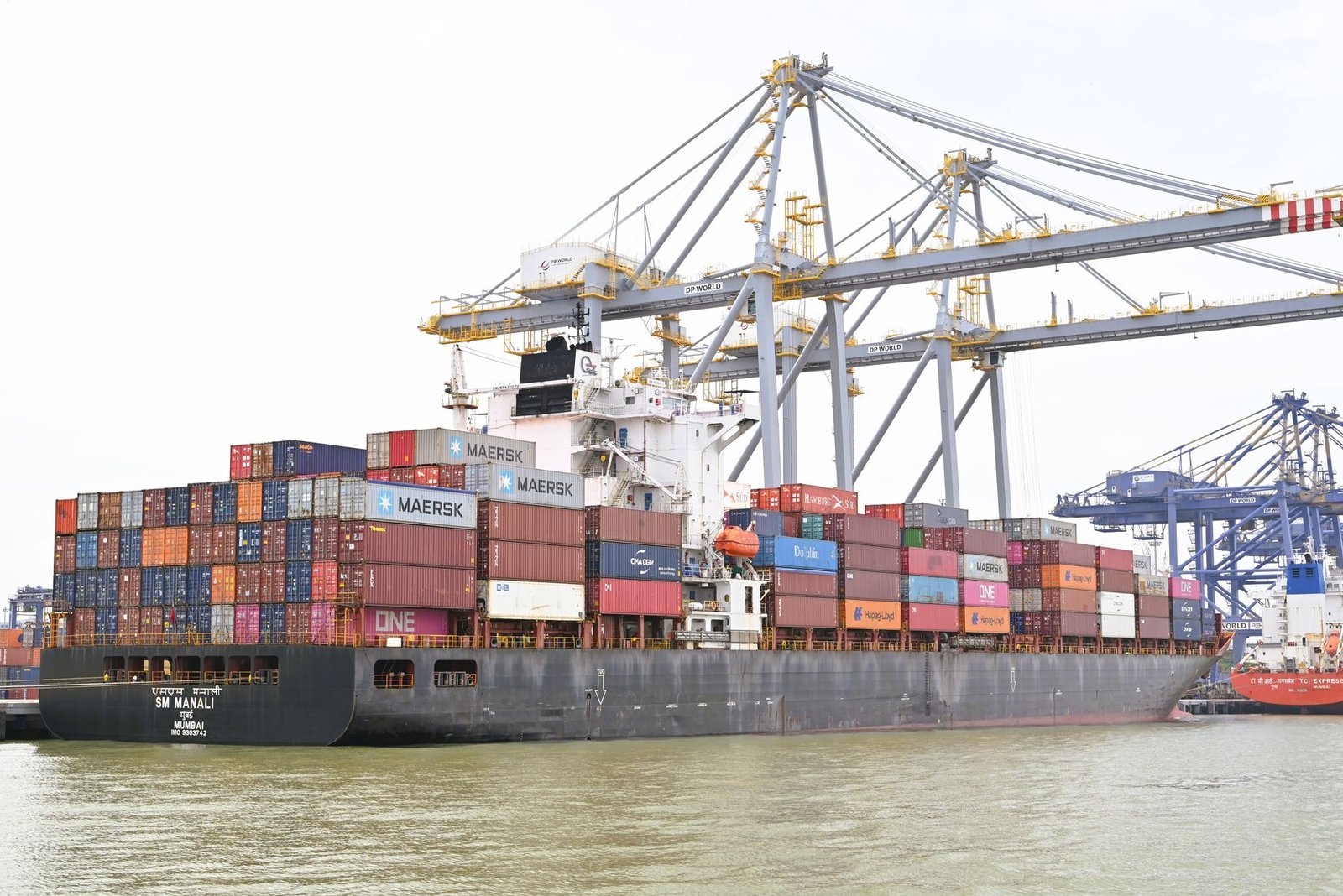
Tanzania is setting its sights on reaching a one-trillion-dollar economy, with officials pointing to industrialisation and expanded trade as the twin engines needed to get there. The ambition reflects a broader push across sub-Saharan Africa to move beyond commodity exports and build deeper economic foundations.
Tanzania, one of East Africa’s fastest-growing economies, has identified manufacturing growth and stronger trade links as the clearest path to a dramatic expansion of its economic output. The goal of a trillion-dollar economy would represent a many-fold increase from where the country stands today, making it one of the most ambitious long-term targets on the continent.
Industrialisation is a well-established route for developing economies. When a country shifts from exporting raw materials to producing finished goods, it captures more value from its own resources. Workers earn more, tax revenues grow, and the economy becomes less exposed to swings in global commodity prices. Countries in Asia — particularly South Korea and China — used this model to transform their economies over decades.
Trade policy plays an equally important role. Preferential trade agreements, reduced tariffs, and improved regional infrastructure can open new markets for domestic manufacturers. Tanzania is a member of the East African Community and has access to the African Continental Free Trade Area, a framework designed to lower barriers across 54 African nations and create a combined market of more than one billion people.
Reaching a trillion-dollar threshold is a long-term undertaking that depends on sustained investment, political stability, a skilled workforce, and reliable infrastructure — from roads and ports to power supply. Financing that investment is a perennial challenge for frontier economies, which often compete for limited pools of foreign direct investment.
Global interest rates matter here. When borrowing costs are high in developed economies, capital tends to stay closer to home, leaving emerging and frontier markets with fewer resources to fund the infrastructure and factories they need. A more accommodating global rate environment tends to benefit ambitious growth plans like Tanzania’s.
How quickly Tanzania can attract investment and build industrial capacity will shape whether the trillion-dollar target remains aspirational or becomes a credible economic roadmap.