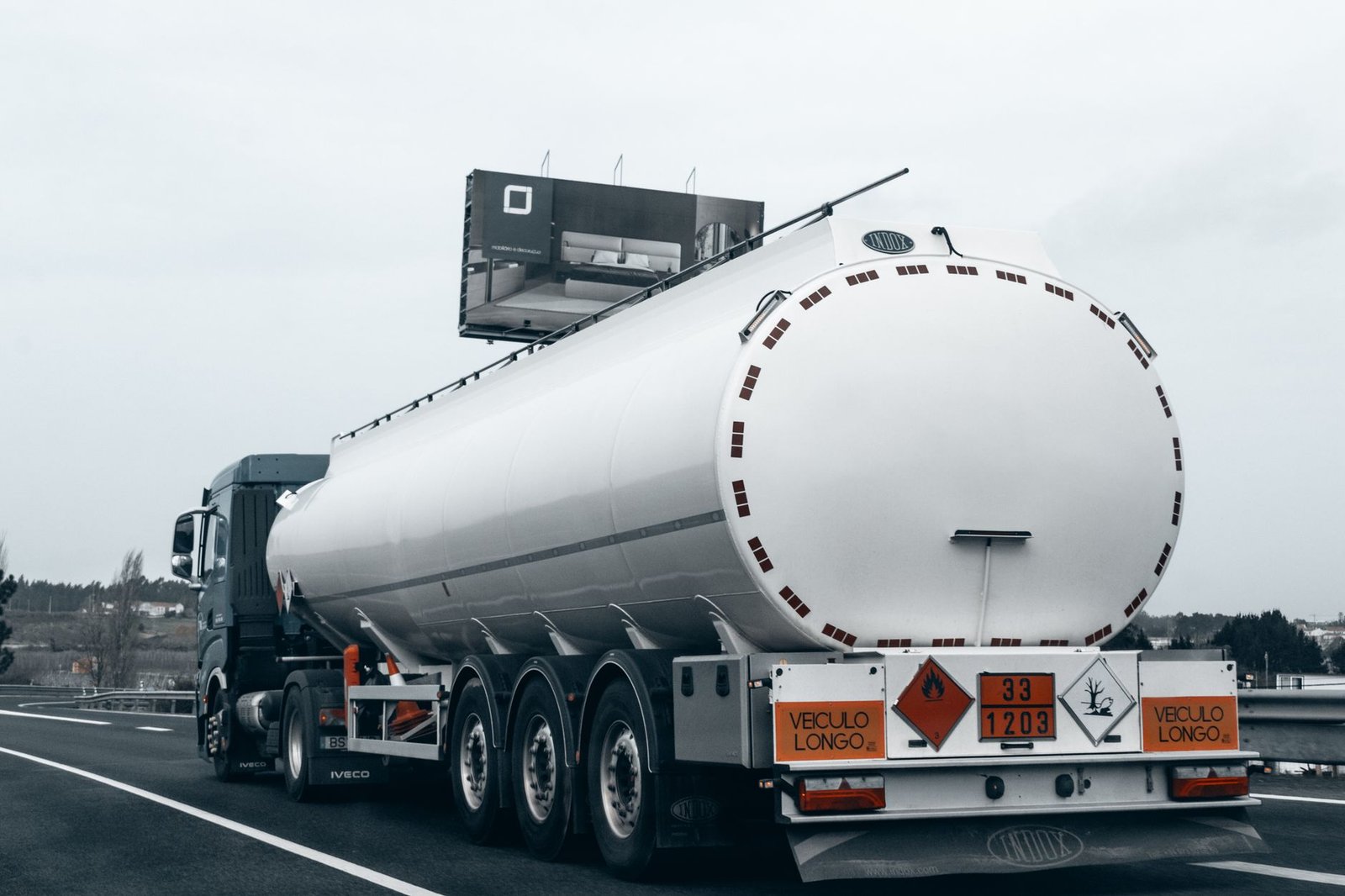
Rising diesel prices are pushing up costs across industries that move and make things, while artificial intelligence is rapidly reshaping where jobs exist and how work gets done. Together, these two pressures are creating a complicated backdrop for growth.
The U.S. economy is contending with two powerful and very different forces at the same time. On one side, diesel fuel — the energy source that powers trucks, trains, and much of American manufacturing — has remained elevated, adding to costs throughout the supply chain. On the other, artificial intelligence is accelerating changes to how businesses operate, often reducing demand for certain types of labor while creating new needs elsewhere.
Diesel matters because it is embedded in nearly everything. When diesel prices rise, so does the cost of shipping groceries, building materials, and factory components. Those higher costs often get passed along to consumers, keeping price pressures alive even when other inflation measures cool. For the Federal Reserve, which is watching closely for signs that inflation is truly beaten, persistent cost pressure in freight and logistics is an unwelcome signal.
AI’s economic impact is harder to measure in real time but no less significant. Businesses are investing heavily in AI tools that automate tasks once done by people — from customer service to data analysis to logistics planning. That investment can boost productivity over the long run, but in the near term it can also displace workers and slow hiring in certain sectors. Some economists argue the productivity gains will ultimately be large enough to lift growth broadly; others warn the transition will be uneven and painful for many workers.
The combination creates a difficult environment for policymakers. The Fed is trying to gauge whether growth is softening enough to bring inflation down sustainably, without tipping the economy into a meaningful slowdown. High freight costs argue for keeping rates elevated; a labor market being restructured by AI is harder to read through traditional indicators like job openings and unemployment claims.
For everyday consumers and businesses, the practical result is uncertainty. Input costs remain sticky in some areas even as technology-driven efficiencies emerge elsewhere. Investors are watching both dynamics closely, since they affect corporate profit margins, consumer spending power, and the Fed’s path for interest rates over the coming year.
How quickly AI-driven productivity gains offset sticky energy and logistics costs will be a key factor in whether the economy can achieve the soft landing the Fed is aiming for.