U.S. consumer prices dropped in June, pulled down by a sharp decline in gasoline costs, offering some relief for households that have struggled with elevated prices over the past few years.
The Consumer Price Index fell 0.4 percent in June on a seasonally adjusted basis, the Bureau of Labor Statistics reported, marking a notable monthly decline. Over the past 12 months, prices are still up 3.5 percent on an unadjusted basis — above the Federal Reserve’s 2 percent target, but continuing a gradual cooling trend from the peaks seen in recent years.
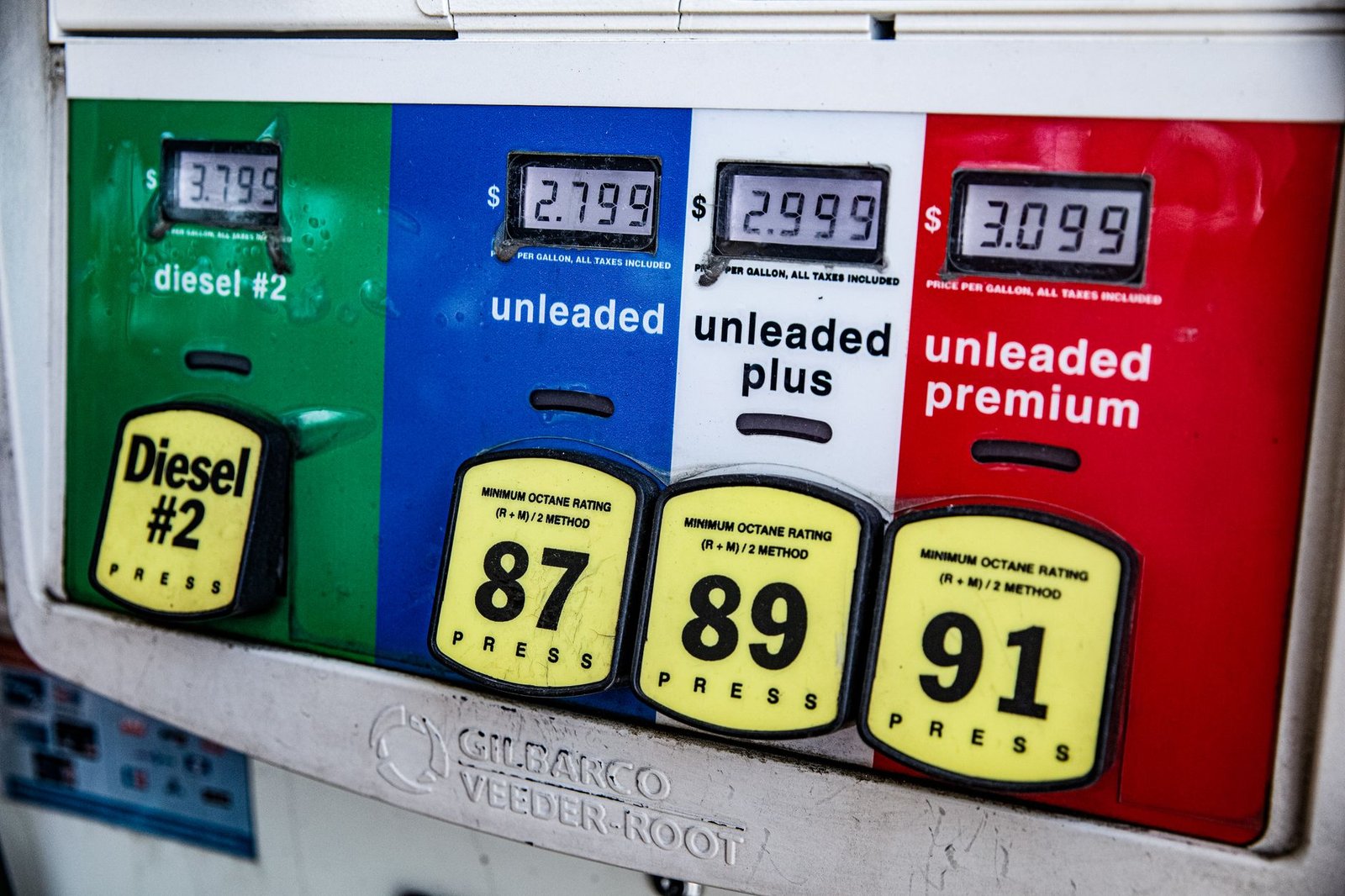
The biggest driver of the monthly drop was gasoline. Energy prices, and pump prices in particular, can swing sharply from month to month based on global oil markets and refinery output. When energy costs fall, they pull the broader inflation index down quickly, even if prices elsewhere remain sticky.
Notably, the so-called core index — which strips out food and energy to give a cleaner read on underlying price pressures — was unchanged for the month. Over the past year, core prices are up 2.6 percent. That figure is still above the Fed’s goal but has been easing, and policymakers tend to watch it closely as a more reliable signal of where inflation is heading.
For the Federal Reserve, the June data is a mixed but broadly welcome picture. The monthly headline decline signals that energy deflation is doing real work, while the flat core reading suggests underlying inflation is not re-accelerating. That combination keeps the door open for rate cuts later this year, though Fed officials have said they want to see sustained progress before moving.
For consumers, lower gas prices offer direct, immediate relief. Fuel costs affect not just what people pay at the pump but also the cost of shipping goods, which can gradually work through to prices in stores. If energy remains soft, that could help ease pressure on household budgets in the months ahead.
Markets and analysts will now turn to upcoming data on jobs and producer prices to build a fuller picture of where the economy stands heading into the second half of the year.
The next key test will be whether core inflation continues its slow descent — or proves more stubborn than the headline numbers suggest.