Consumer prices fell in June for the first time in months, driven largely by a drop in gasoline costs — a sign that inflation continues to ease, though it remains above the Federal Reserve’s 2% target.
The Consumer Price Index fell 0.4% in June on a seasonally adjusted basis, the Bureau of Labor Statistics reported, marking a notable cooldown in the pace of price increases. Over the past 12 months, the index is still up 3.5%, but the monthly decline signals that some of the pressure on household budgets may be easing.
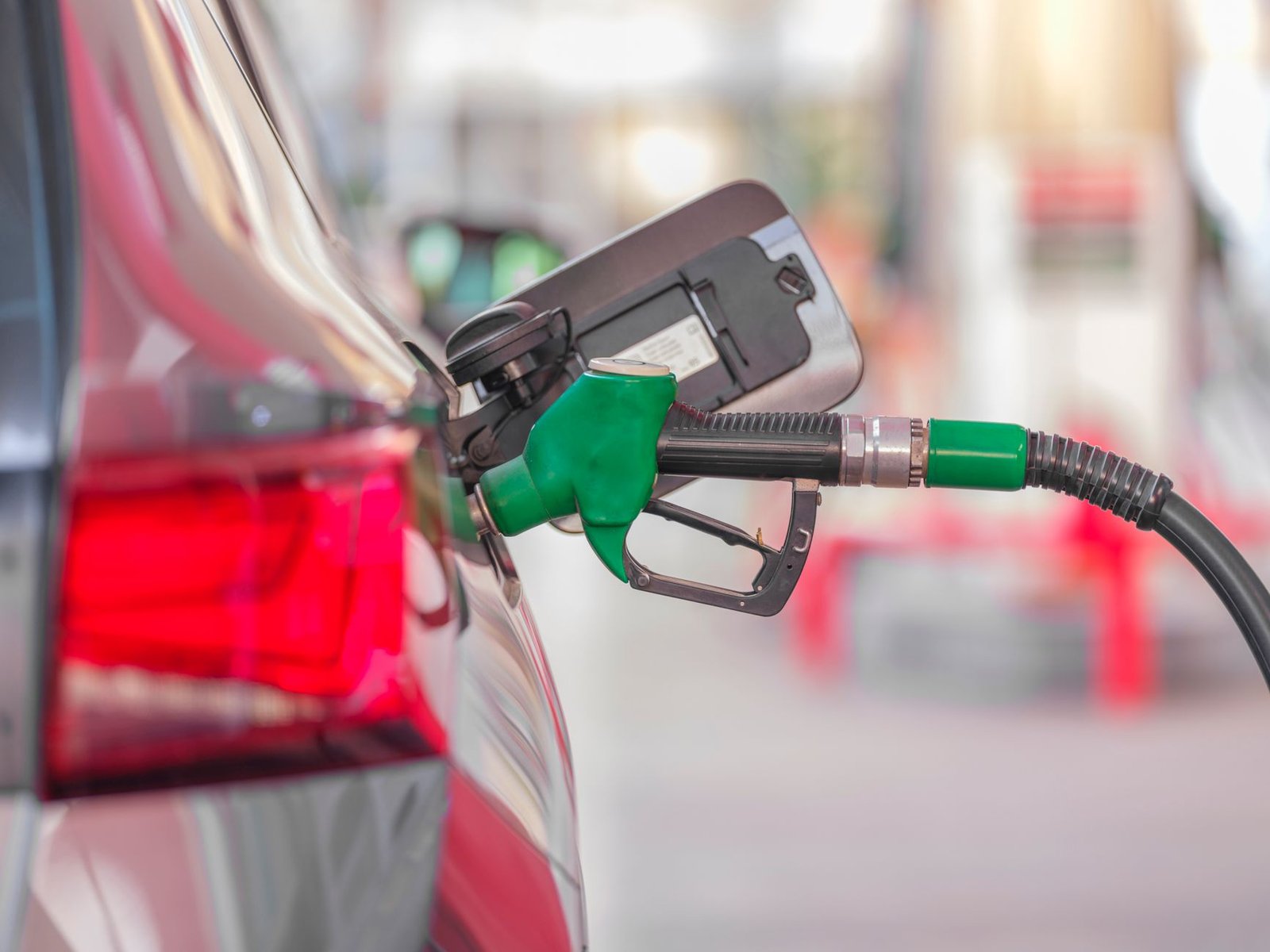
Gasoline was the primary driver of the drop. Energy prices tend to be volatile — they rise and fall with global oil markets — and when they fall sharply, they can pull the overall inflation reading down quickly. That is what happened in June.
Stripping out food and energy costs — a measure economists call “core” inflation — prices were unchanged for the month. Core inflation is watched closely by the Federal Reserve because it tends to give a cleaner picture of where prices are headed over time. On a 12-month basis, core prices were up 2.6%, still above the Fed’s target but moving in the right direction.
For everyday consumers, the monthly decline offers some relief, particularly at the gas pump. Lower fuel costs can ripple through the broader economy, reducing transportation and shipping expenses that often feed into the prices of other goods.
For the Federal Reserve, the data adds to a recent pattern of easing price pressures. Officials have held interest rates at elevated levels to bring inflation down, and readings like this one give them more room to consider cutting rates — though policymakers have signaled they want to see sustained progress before making any moves. A single month’s data, especially one driven by energy prices, is unlikely to change that cautious approach on its own.
Markets and analysts will now look to upcoming reports on jobs, consumer spending, and producer prices to get a fuller picture of where the economy stands heading into the second half of the year.
The Fed’s next policy meeting will be a key moment to see whether easing inflation shifts the tone among officials considering the timing of rate cuts.