Consumer prices fell in June for the first time in months, pulled down by a steep drop in gasoline costs. The data offers some relief for households and could shape how the Federal Reserve thinks about interest rates in the months ahead.
The Consumer Price Index, a broad measure of what Americans pay for everyday goods and services, fell 0.4 percent in June on a seasonally adjusted basis, according to the latest government data. It was a notable reversal after a period of stubbornly elevated prices, and the biggest single driver was cheaper gasoline.
Over the past 12 months, the index is still up 3.5 percent — well above the Federal Reserve’s 2 percent target, but down from recent highs. That annual figure is not seasonally adjusted, meaning it captures the raw change in prices consumers actually experience at the checkout line and the pump.
Stripping out food and energy — two categories known for sharp swings that can distort the underlying picture — prices were flat in June compared with the prior month. Over the past year, that “core” measure is up 2.6 percent. Core inflation is closely watched by the Fed because it tends to be a more reliable guide to where prices are heading over time.
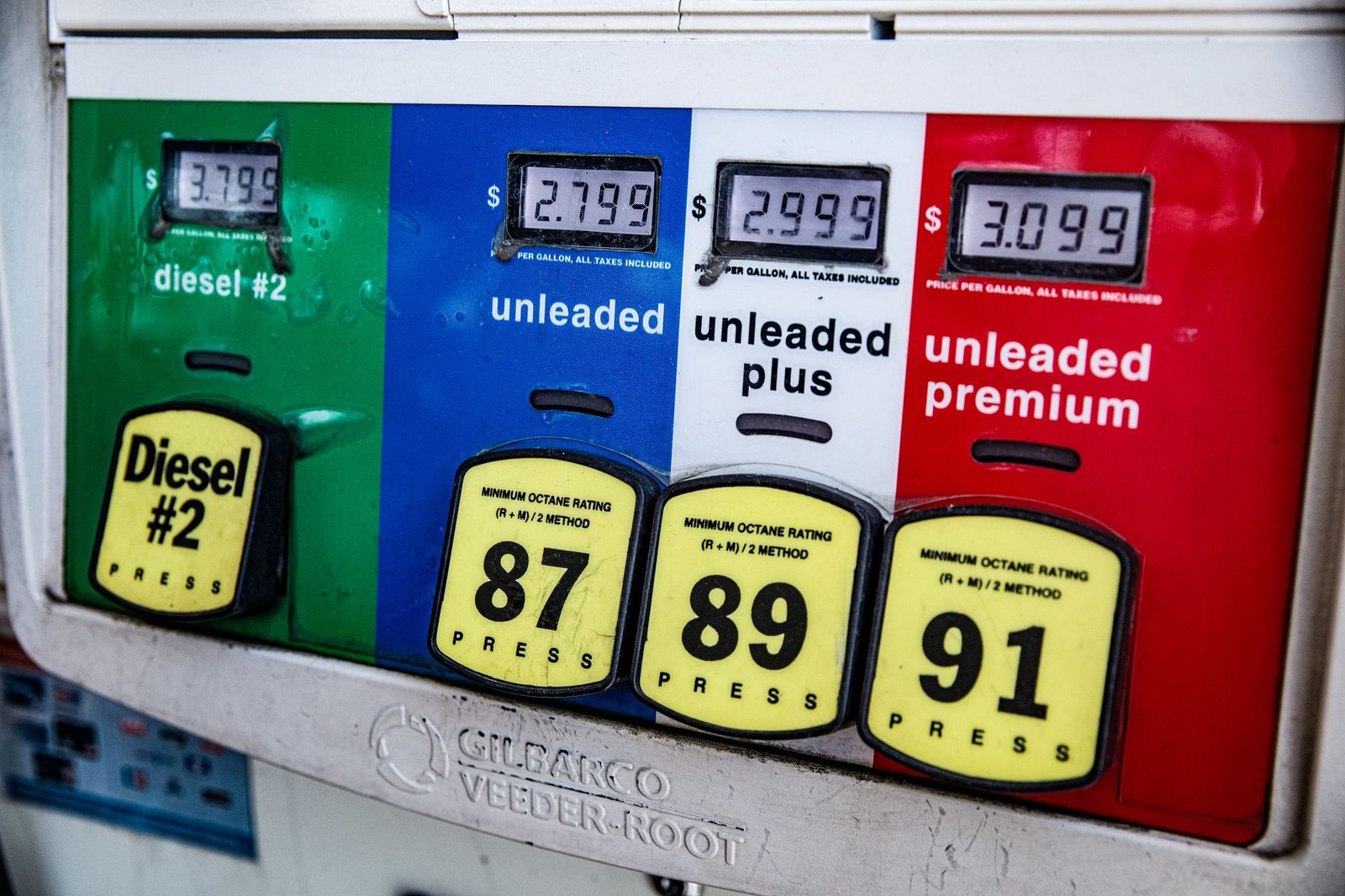
The drop in gasoline prices did much of the work in June. Energy costs are volatile and can move sharply based on global oil supply, geopolitical tension, and seasonal demand. A single month of lower gas prices does not guarantee a lasting trend, and economists typically caution against reading too much into one data point.
Still, the report is likely to be welcomed by policymakers. Inflation has been one of the central economic challenges of the past several years, eroding purchasing power for consumers and complicating decisions at the Fed. A softer monthly reading — especially one that brings the annual rate closer to the Fed’s goal — could reduce pressure on officials to keep interest rates high for longer.
Markets will be watching closely for signs of whether this June dip marks a turning point or a temporary pause. The Fed meets regularly to assess the economic outlook, and incoming inflation data like this report feeds directly into those deliberations. With core inflation still running above target on an annual basis, the central bank is unlikely to declare victory just yet.
The next few months of price data will be critical in determining whether June’s decline represents the start of a sustained cooling trend or a one-month reprieve driven largely by energy.