Consumer prices rose sharply in March, driven largely by a spike in gasoline costs, raising fresh questions about the path of inflation and what it means for American households and interest rate policy.
The Consumer Price Index, the government’s broadest measure of what Americans pay for everyday goods and services, climbed 0.9 percent in March on a seasonally adjusted basis. Over the past 12 months, prices are up 3.3 percent — still well above the Federal Reserve’s 2 percent target.
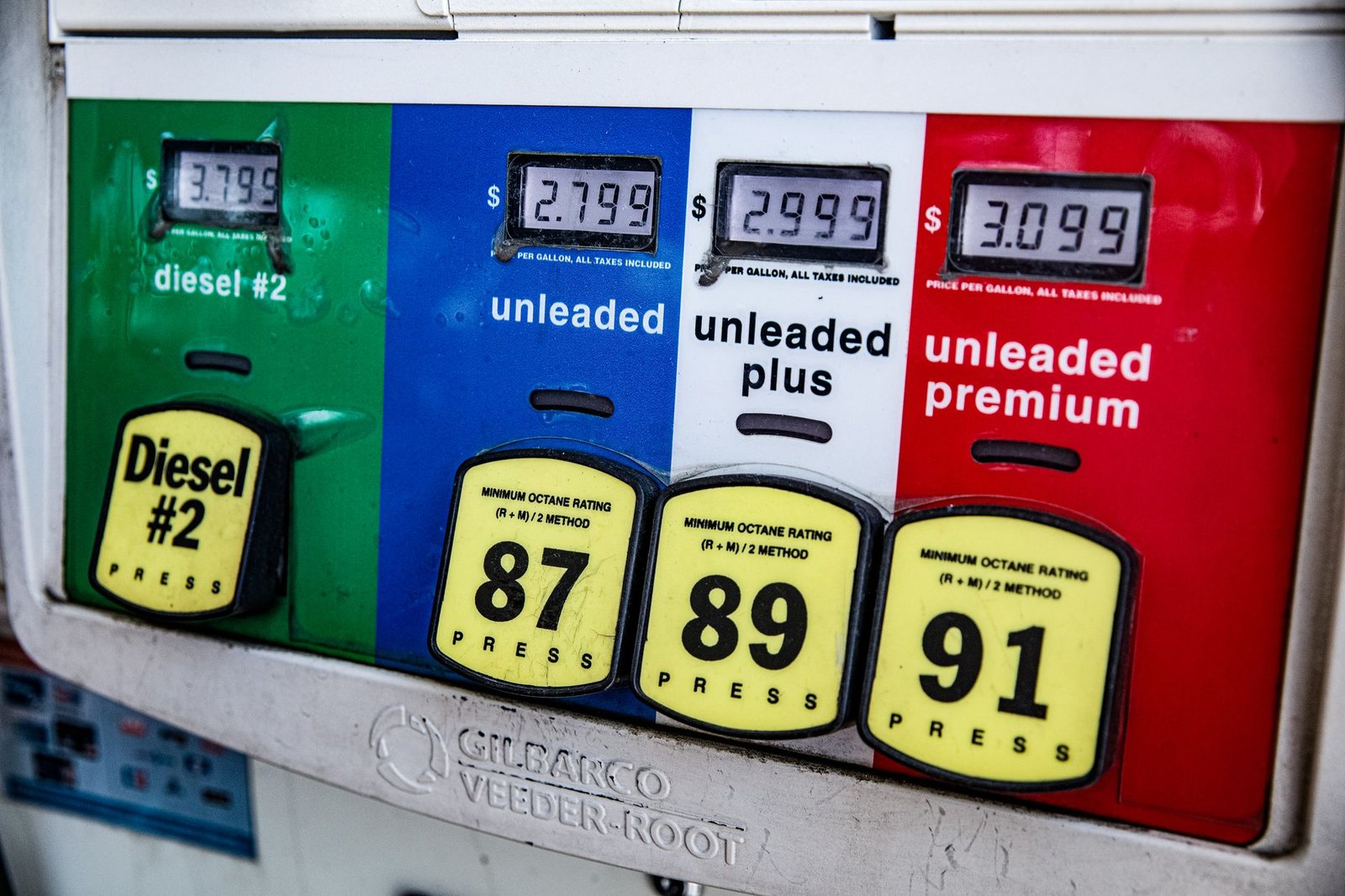
Gasoline was the headline driver. Energy prices, and pump prices in particular, can swing sharply from month to month, and March was no exception. Because gasoline touches nearly every corner of the economy — from commuting costs to the price of shipping goods — a sudden rise at the pump feeds quickly into the broader inflation reading.
Stripping out food and energy, the so-called core CPI rose a more modest 0.2 percent for the month and 2.6 percent over the past year. Core inflation is watched closely by the Fed and by economists because it tends to be a steadier signal of underlying price pressure, less distorted by the volatile swings common in food and fuel markets.
The gap between the headline and core readings tells an important story: much of March’s price surge appears to be energy-driven rather than a broad, economy-wide acceleration. That distinction matters for policymakers. The Fed has signaled it wants to see sustained progress toward its inflation goal before cutting interest rates further, and a spike driven mainly by gas prices may not, on its own, change that calculus significantly.
Still, a 0.9 percent monthly gain is a large number by any measure. If energy prices remain elevated — or if the cost pressures spread into other categories — the March report could complicate the Fed’s already delicate balancing act between cooling inflation and supporting economic growth.
The Fed’s next policy meeting will be closely watched to see whether March’s inflation jump influences the timing or pace of any future rate adjustments.