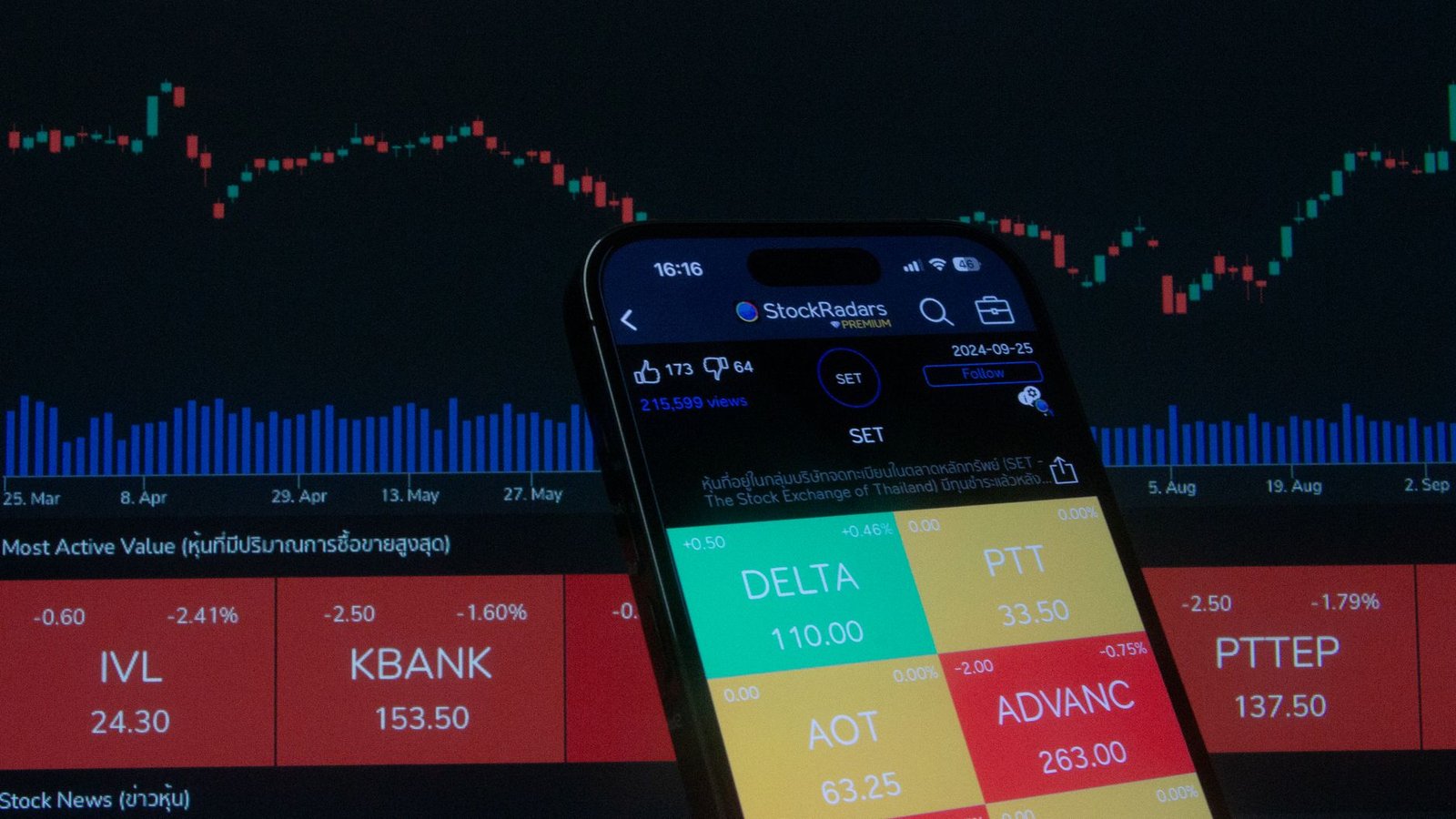
U.S. equities closed within striking distance of all-time highs in the latest session, even as Treasury yields pushed higher and bond markets came under pressure. The resilience of stocks in the face of rising yields signals that equity investors remain broadly optimistic about the economic outlook.
Major U.S. stock indexes finished the session near record territory, brushing aside a notable sell-off in the bond market that sent yields climbing. The divergence between stocks and bonds — two markets that often move in opposite directions — reflects a tension at the heart of the current investment landscape.
Bond yields rise when bond prices fall, meaning investors are demanding a higher return to hold government debt. Rising yields typically put pressure on stocks, because they make bonds a more attractive alternative and raise borrowing costs for companies. The fact that stocks held firm suggests equity investors are not yet alarmed by the bond market’s recent moves.
There are a few possible explanations for stocks’ staying power. One is that traders may be reading the rise in yields as a sign of a stronger-than-expected economy — good news for corporate earnings — rather than as a signal of runaway inflation or a policy mistake by the Federal Reserve. A resilient economy can support profits even when interest rates are higher.
Another factor is momentum. U.S. stocks have had a strong run in recent months, and markets near record highs can attract buyers who see continued strength as evidence that the underlying trend remains intact. That kind of sentiment can keep prices elevated even when other asset classes are flashing caution signals.
Still, the bond market is worth watching. A sustained rise in yields can eventually weigh on valuations — especially for growth-oriented stocks, whose future earnings are worth less in today’s dollars when rates are higher. If yields continue to climb, the stock market’s indifference may not last indefinitely.
The Federal Reserve will also be paying close attention. Policymakers have signaled they are in a data-dependent mode, meaning they are watching economic indicators closely before deciding whether to cut, hold, or adjust interest rates further. A bond market that prices in fewer rate cuts could complicate that calculus.
Whether stocks can sustain their record-proximity levels will depend heavily on where bond yields head next and what incoming economic data reveal about the strength of the U.S. economy.