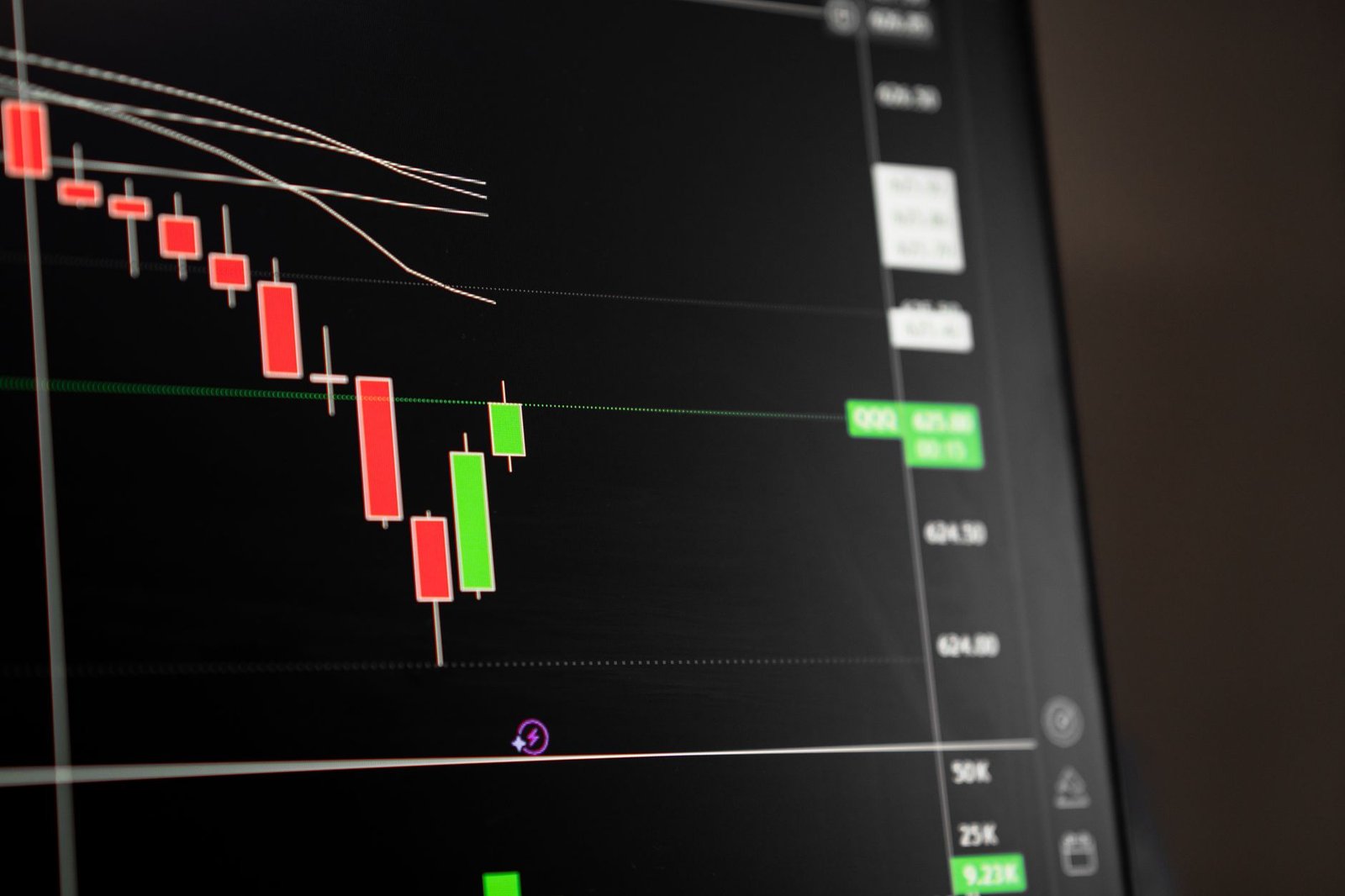
American stocks are trading close to all-time highs, but investors are treading carefully as major economic reports on jobs and inflation loom. The data could shift expectations for Federal Reserve interest rate policy — making the next few sessions pivotal for markets.
US equity markets have held near record territory in recent trading, a sign that investor confidence remains intact even as significant uncertainty lies ahead. Two closely watched reports — one on the labor market, the other on consumer prices — are expected in the near term, and their results could determine whether stocks can push further into record ground or pull back.
Bond yields are also in focus. Yields on US Treasury bonds move in the opposite direction of bond prices. When investors expect the Federal Reserve to keep rates higher for longer, yields tend to rise — and that can put pressure on stocks, particularly shares of companies with high debt or fast-growing businesses that depend on cheap borrowing.
The Federal Reserve has made clear it is watching both inflation and employment closely before deciding whether to cut interest rates further. A jobs report that shows the labor market cooling could strengthen the case for a rate cut, while a hotter-than-expected inflation reading might push the Fed to hold rates steady. Either outcome would ripple through stocks, bonds, and the dollar.
Markets have spent much of this year pricing in a gradual path of Fed rate cuts. That expectation has helped drive stocks higher. But each new data release can reset those bets. Strong hiring data or sticky prices could push yields up and test the resilience of the current rally.
Investors are also watching the broader economic picture. Growth in the US has held up better than many expected, which is generally positive for corporate earnings. But sustained growth alongside persistent inflation is exactly the kind of environment that makes the Fed’s job harder — and makes market outcomes harder to predict.
For now, stocks appear to be in a holding pattern, with traders reluctant to make big moves before the data arrives. Volume and volatility could pick up sharply once the numbers are in hand.
The coming jobs and inflation data will be closely watched for any signs that could force markets — and the Fed — to reassess the rate outlook.