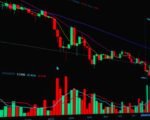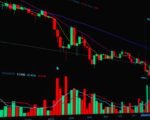
U.S. equity markets experienced notable swings in recent trading as a mix of economic pressures weighed on investor sentiment. The volatility reflects broader uncertainty about growth, interest rates, and global trade.
Wall Street has been navigating a choppy stretch, with stock prices moving sharply in both directions as traders weigh a crowded field of economic concerns. From persistent questions about the Federal Reserve’s interest rate path to lingering trade frictions, the backdrop for equities remains unsettled.
Volatility in stock markets is a natural response when the economic outlook is unclear. When investors are uncertain about whether the economy will slow, whether inflation will stay stubborn, or whether borrowing costs will remain high, they tend to buy and sell more quickly — which pushes prices up and down in larger swings than usual.
The Federal Reserve sits at the center of much of this unease. Markets have been closely watching for any signal about when, or whether, the central bank might begin cutting interest rates. Higher rates make borrowing more expensive for businesses and consumers, which can slow corporate profits and dampen the appeal of stocks relative to safer assets like bonds.
At the same time, concerns about the strength of the broader economy have added to the pressure. Investors are watching key data points — including jobs reports, consumer spending figures, and inflation readings — for clues about whether growth is holding up or starting to fade.
Trade tensions have also played a role in recent market swings. Uncertainty over tariffs and international supply chains can hit the earnings forecasts of companies that rely on global trade, which in turn moves their stock prices.
Market volatility, while uncomfortable, is a normal part of investing. Periods of uncertainty often give way to clearer signals, and markets tend to stabilize once investors have a better read on the economic path ahead.
The next major data releases — particularly on inflation and employment — will likely set the tone for whether this volatility eases or continues.