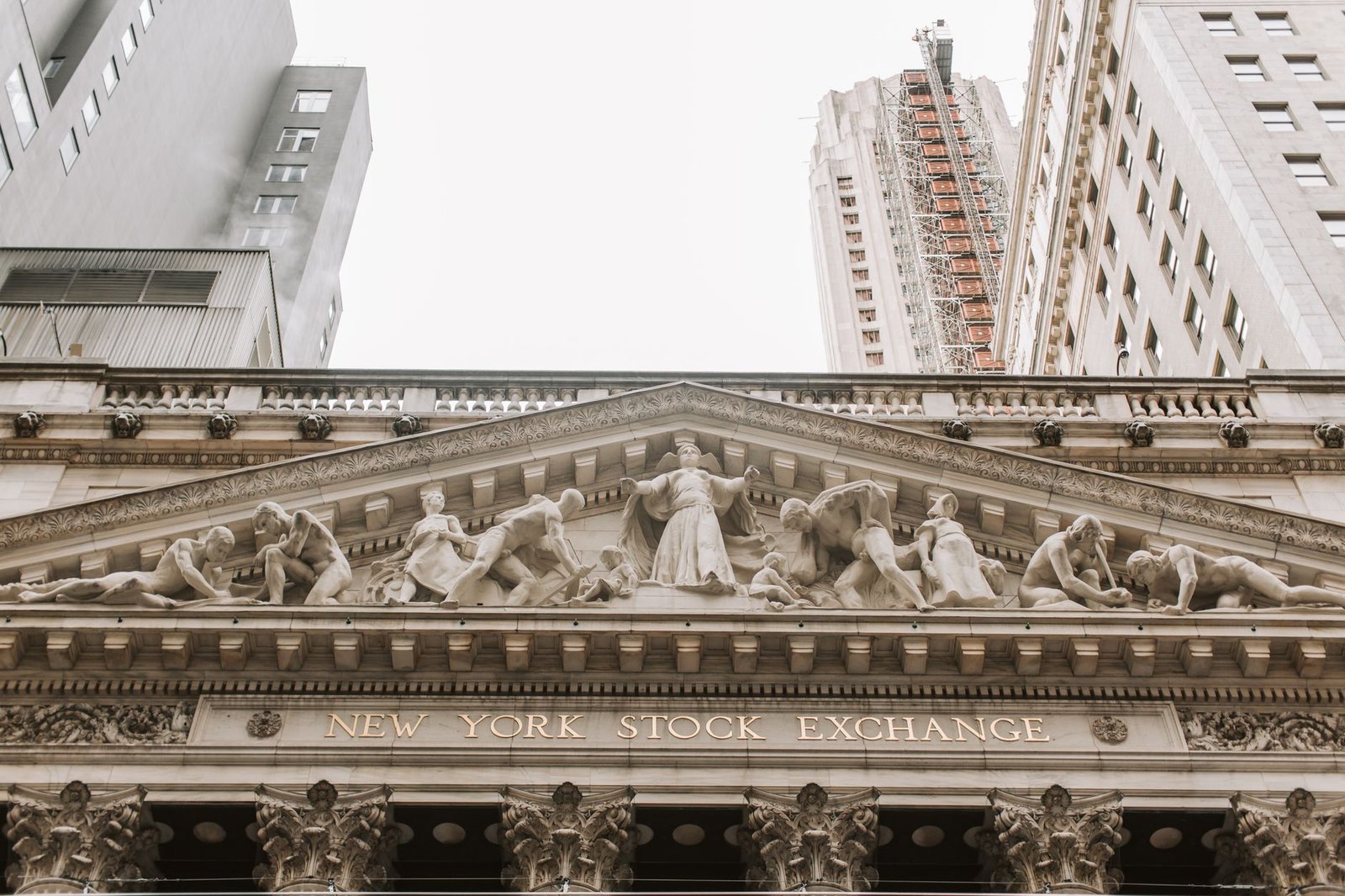
A number of prominent Wall Street firms are maintaining optimistic outlooks on U.S. equities, even as investors wrestle with rising long-term interest rates, elevated oil prices, and a growing federal debt load. Veteran market strategist Ed Yardeni is among those pushing back on fears that a slowdown in artificial intelligence investment could derail the broader market rally.
Wall Street’s bull camp is not retreating. Despite a backdrop that includes higher borrowing costs, sticky energy prices, and mounting concerns about the long-term trajectory of U.S. government debt, several major financial institutions are telling clients that the case for owning U.S. stocks remains intact.
The bullish argument rests on a few pillars. Corporate earnings have held up better than many analysts feared at the start of the year. The U.S. economy has continued to grow, and the labor market has remained relatively resilient. For many strategists, those fundamentals outweigh the risks posed by a more expensive borrowing environment or short-term swings in energy markets.
Oil prices are a perennial concern because higher energy costs can squeeze corporate profit margins and weigh on consumer spending — both of which can hurt stocks. But bulls argue that today’s oil levels, while elevated, are not high enough to choke off growth in the same way past energy shocks have.
The debate over long-term U.S. debt is more nuanced. A rising debt burden can push Treasury yields higher as investors demand more compensation for holding government bonds. Higher yields, in turn, make stocks relatively less attractive compared to bonds. Still, many strategists note that markets have largely absorbed this concern rather than reacting with a sharp sell-off.
Perhaps the most closely watched argument right now centers on artificial intelligence. After a period of explosive enthusiasm, some investors have grown cautious about whether AI-related capital spending will deliver returns quickly enough to justify the valuations of tech-heavy stocks. Yardeni, a widely followed independent market strategist, has been vocal in dismissing those concerns, suggesting that the AI investment cycle has more runway than skeptics believe and that productivity gains from the technology could support corporate earnings over time.
It is worth noting that bullish consensus on Wall Street does not guarantee outcomes. Markets can and do diverge from forecasts, and the risks — rate policy, energy, fiscal deficits — are real even if they have not yet derailed equities.
Investors will be watching upcoming inflation data, Federal Reserve commentary, and corporate earnings reports for signs of whether the bulls’ confidence is warranted.