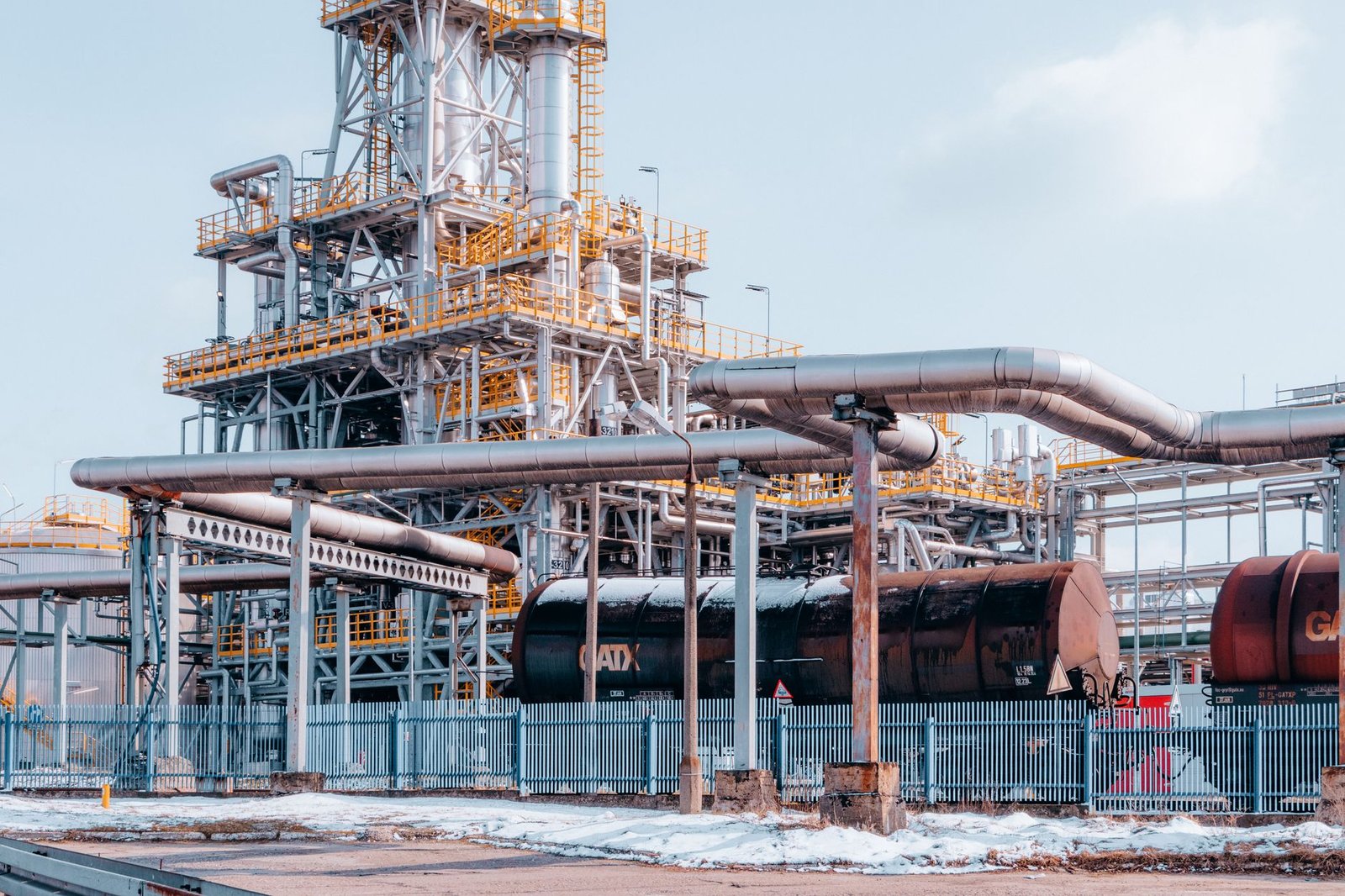
U.S. stocks declined and oil prices climbed back above $100 a barrel as an escalation in the Iran conflict rattled investors and raised fresh concerns about energy costs and global economic stability.
Equity markets retreated in recent trading as a sharp rise in oil prices reminded investors that geopolitical risk remains one of the most immediate threats to the economic outlook. Crude oil’s move back above $100 a barrel — a psychologically significant threshold — sent a broad shiver through financial markets, pushing stock prices lower across major indexes.
When oil prices spike, the effects ripple quickly through the broader economy. Higher energy costs raise expenses for businesses and households alike, effectively acting as a tax on spending. That can slow consumer demand, squeeze corporate profit margins, and stoke inflation — a combination that gives policymakers at the Federal Reserve less room to maneuver.
The Federal Reserve has been working to bring inflation back to its 2% target. A sustained jump in energy prices complicates that task, potentially forcing the central bank to hold interest rates higher for longer even as a military conflict clouds the growth outlook. Higher rates, in turn, tend to weigh on stock valuations, particularly for growth-oriented companies whose future earnings become less valuable when borrowing costs are elevated.
Oil markets are especially sensitive to tensions involving Iran, a significant producer in the Middle East. Any disruption — real or anticipated — to regional energy supply tends to move prices quickly. Traders often price in a “risk premium” during periods of conflict, pushing crude higher even before any physical supply is affected.
For everyday consumers, a return to triple-digit oil prices could translate into higher gasoline and heating costs at a time when many household budgets remain stretched. For investors, the concern is that prolonged energy price pressure could slow corporate earnings growth and keep inflation elevated longer than expected.
The path of oil prices and any further developments in the Iran conflict will be closely watched by markets and Fed officials in the weeks ahead.