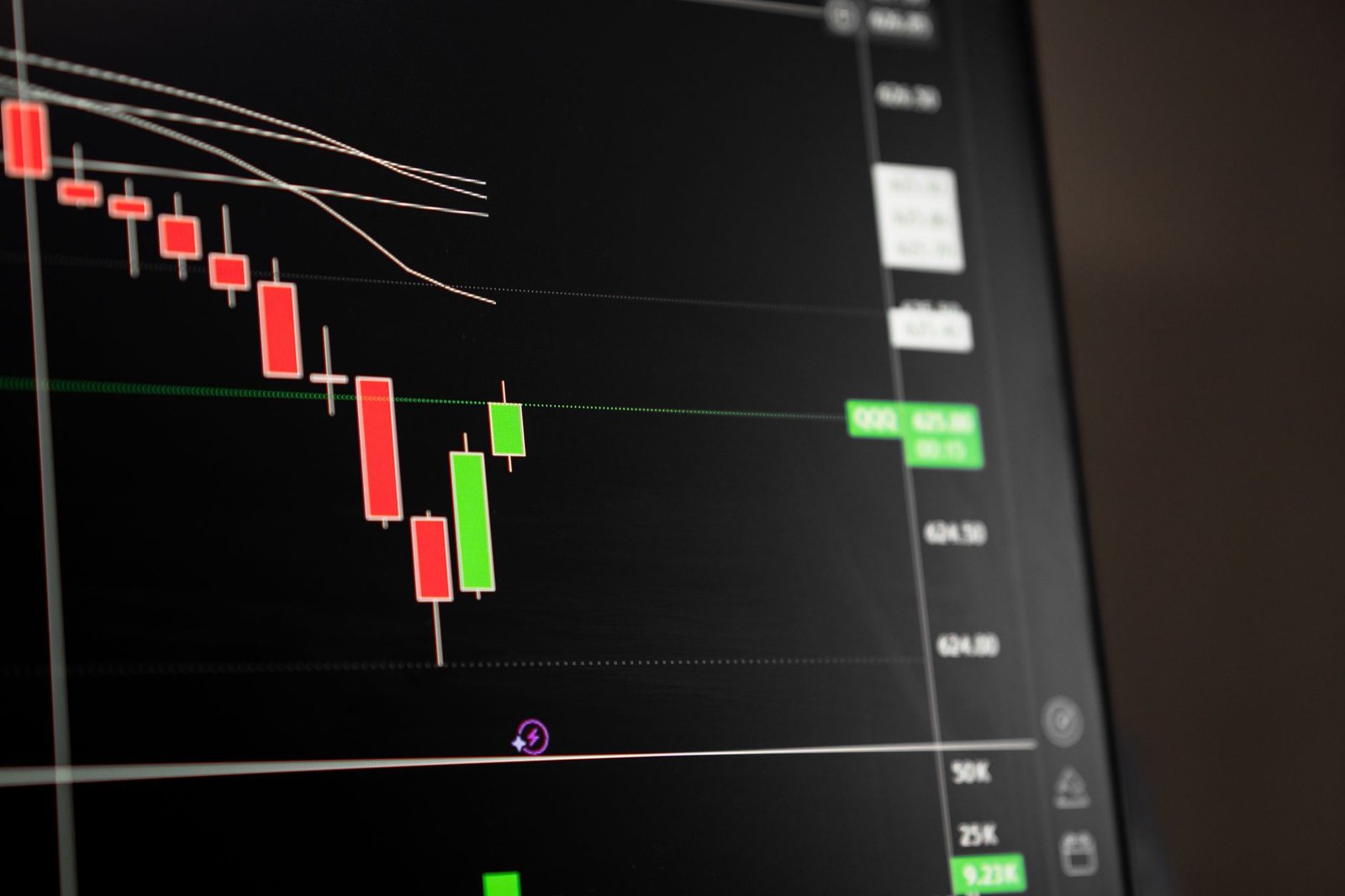
Equity analysts continue to flag select stocks as top picks even as broader market uncertainty persists, reflecting a cautious but still-active approach to stock research on Wall Street.
Even in periods of economic uncertainty, Wall Street analysts keep issuing stock recommendations — sorting the market into names they favor and names they approach with more skepticism. That ongoing process of equity research offers a window into how professional investors are reading the current environment.
Analyst recommendations, often called “buy,” “hold,” or “sell” ratings, reflect a combination of a company’s financial fundamentals, its growth prospects, and the broader economic backdrop. When analysts broadly favor certain stocks, it can signal confidence in specific sectors or business models — even if the overall market mood is mixed.
At the same time, a stock that draws analyst skepticism is not necessarily one to avoid outright. Analysts weigh many factors, including valuation — whether a stock’s price seems high or low relative to earnings — and near-term risks like rising interest rates or slowing consumer demand. A stock can be a strong business and still look expensive at a given moment.
The current environment gives analysts plenty to weigh. The Federal Reserve has kept interest rates elevated as it works to bring inflation down toward its 2% target. Higher rates tend to make future corporate earnings worth less in today’s dollars, which puts pressure on stock valuations — particularly for fast-growing companies whose profits are expected further down the road.
For everyday investors, analyst picks are one data point among many. They can highlight companies worth a closer look, but they are not guarantees of performance. Markets can and do move in ways that surprise even seasoned professionals.
As rate expectations and economic data continue to shift, analyst preferences across sectors will be worth watching for clues about where institutional money may be headed.