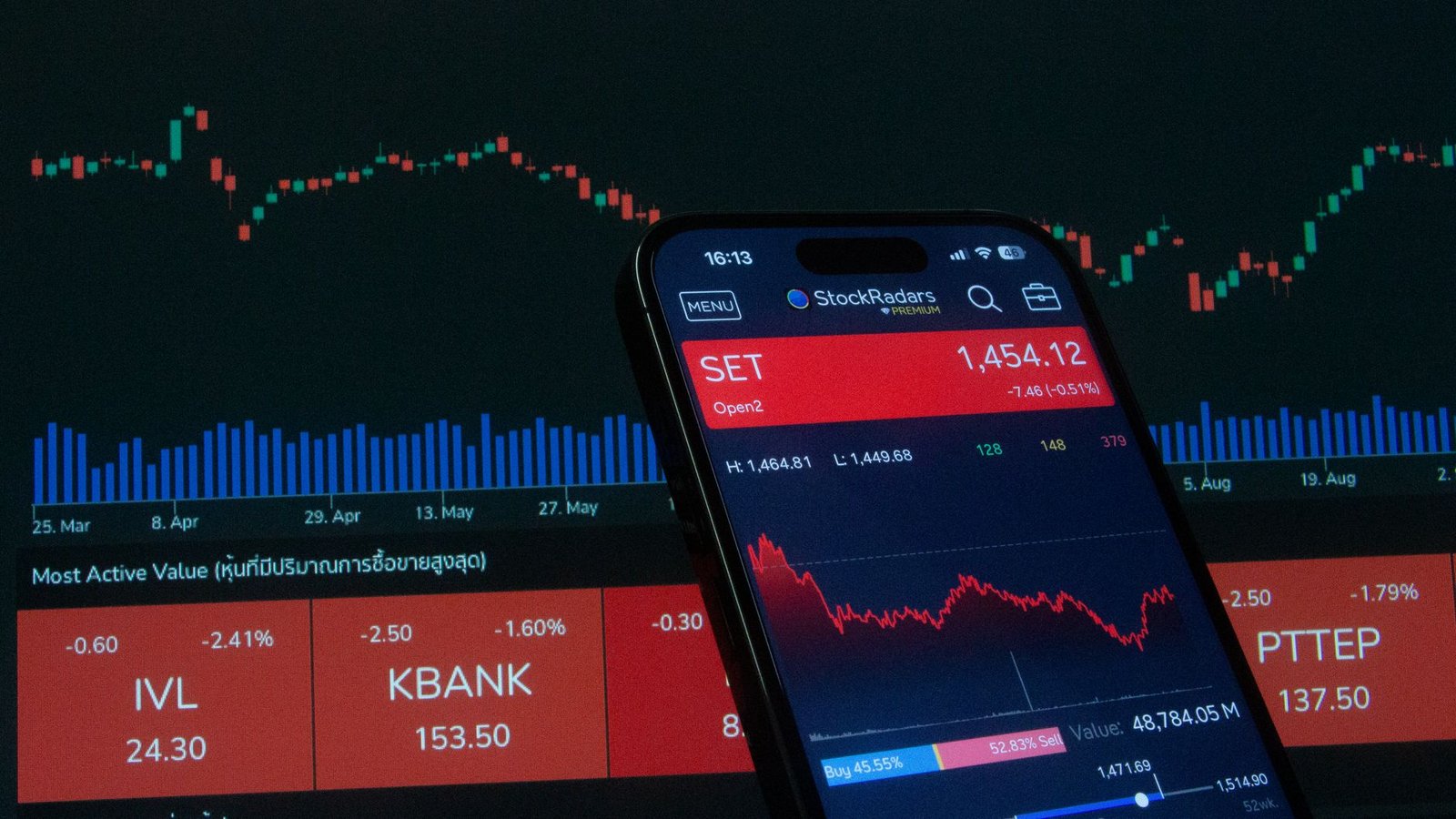
U.S. equities suffered their steepest single-day losses of 2026, with the Nasdaq and S&P 500 both falling sharply as a combination of economic and policy concerns rattled investors.
American stock markets endured their worst trading session of the year, with the technology-heavy Nasdaq Composite and the broad S&P 500 index each recording significant declines. The sell-off pushed both benchmarks to their lowest levels in recent weeks and wiped out a meaningful portion of the gains built up earlier in the year.
Several forces appeared to converge at once to drive the downturn. Persistent concerns about interest rates staying higher for longer weighed on investor sentiment, as markets continued to digest signals from the Federal Reserve that it is in no hurry to cut borrowing costs. Higher rates make it more expensive for businesses to borrow and grow, and they tend to reduce the appeal of stocks relative to bonds, which now offer more competitive returns.
Trade policy uncertainty also played a role. Renewed worries about tariffs and their potential drag on corporate profits added to the cautious mood. Companies that rely heavily on global supply chains or international revenue are especially vulnerable when trade tensions rise, and those concerns rippled through a range of sectors.
Technology stocks, which make up a large share of both the Nasdaq and the S&P 500, were among the hardest hit. These companies often carry high valuations — meaning investors pay a premium for expected future earnings. When confidence in the economic outlook softens or borrowing costs rise, those premium valuations tend to face the most pressure.
Bond markets also drew attention during the session. When investors grow nervous, they often shift money from stocks into the relative safety of U.S. Treasury bonds, pushing bond prices up and yields — the effective interest rate — down. Moves in that relationship are closely watched as a signal of broader market confidence.
It is worth noting that a single bad day, even a record-setting one for the year, does not on its own signal a lasting shift in market direction. Markets regularly experience sharp moves in both directions, and context matters. What analysts will be watching in the sessions ahead is whether selling pressure continues or whether buyers step back in.
Investors will be closely monitoring upcoming economic data and any fresh signals from the Federal Reserve to gauge whether this sell-off marks a turning point or a temporary pullback.