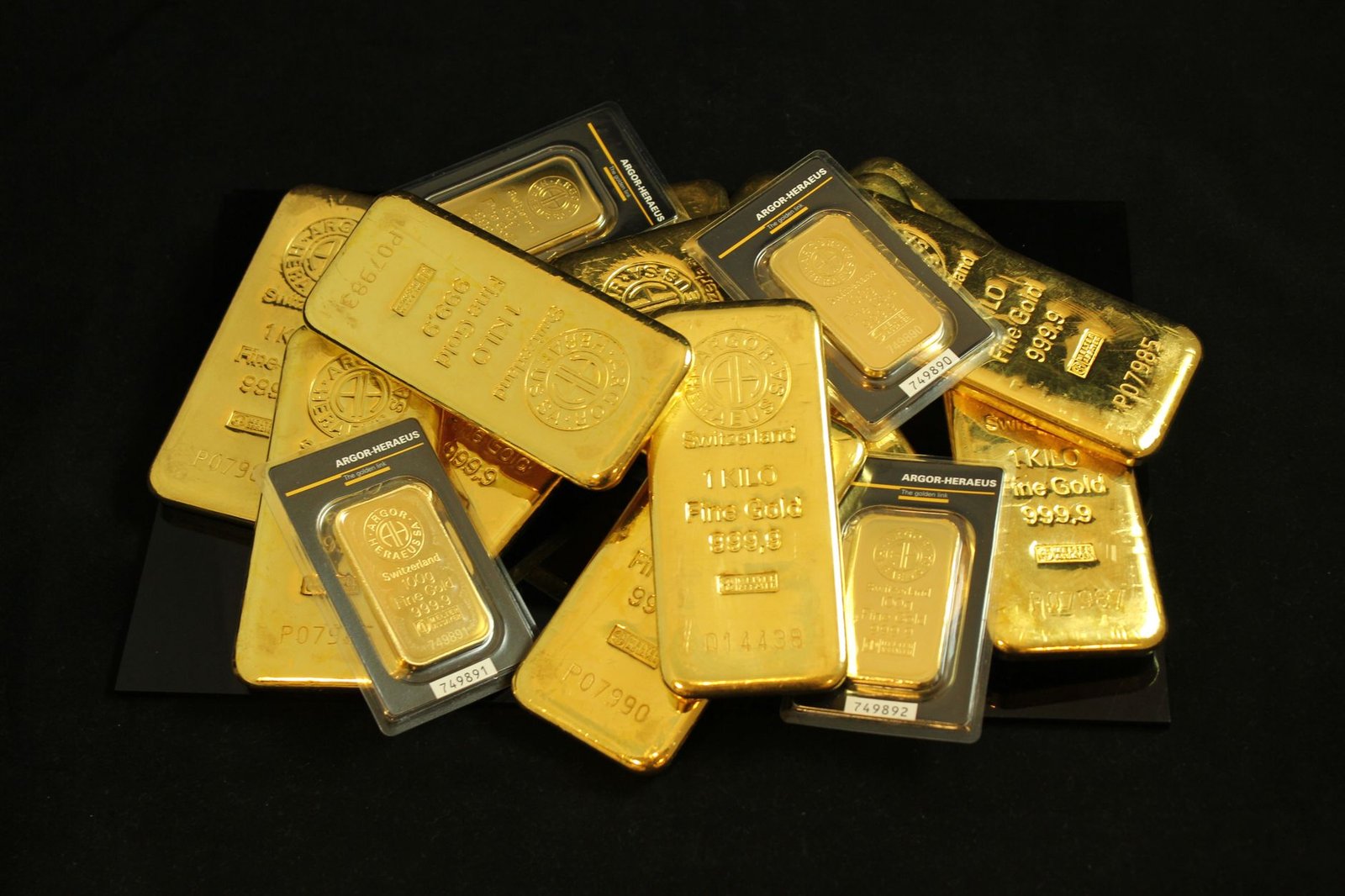
Global central banks are steadily raising their gold holdings as part of a broader effort to reduce dependence on the U.S. dollar — a trend accelerated by China’s push to expand the international use of the yuan.
For decades, the U.S. dollar has sat at the center of global finance — the currency most countries use to hold reserves, settle trade, and price commodities. That structure is being tested slowly but visibly, as central banks around the world shift a growing share of their reserves into gold and look for alternatives to dollar-denominated assets.
The trend is often called de-dollarization. It does not mean the dollar is losing its role overnight — it remains by far the world’s dominant reserve currency. But the pace at which central banks are buying gold has drawn attention from economists and market analysts watching for any change in the long-term balance of global finance.
China sits at the center of much of this activity. Beijing has been working for years to expand the international use of the yuan, also called the renminbi, through trade agreements, bilateral currency swaps, and efforts to price key commodities — including oil — in yuan rather than dollars. The goal is to build an alternative financial order that reduces China’s own exposure to U.S. financial policy and, potentially, U.S. sanctions.
Other central banks, particularly in emerging markets, have followed a similar logic. Countries that have faced or fear the risk of dollar-based financial pressure have incentives to hold more assets that sit outside the U.S.-dominated system. Gold fits that profile well: it carries no credit risk, cannot be frozen by a foreign government, and holds value across currencies.
For investors, a sustained rise in central bank gold demand can act as a floor under prices by adding a large, price-insensitive buyer to the market. It also reflects a broader nervousness about geopolitical risk and the durability of the post-World War II dollar system.
Analysts are careful to note that the dollar’s reserve status rests on deep structural foundations — the size and openness of U.S. financial markets, the liquidity of Treasury bonds, and a legal system investors trust. Those advantages do not erode quickly. But even a gradual diversification away from dollars, carried out by dozens of central banks over many years, can have meaningful effects on demand for U.S. assets and on gold prices over time.
The pace of central bank gold buying and any expansion of yuan-denominated trade will be key signals to watch in the months ahead.