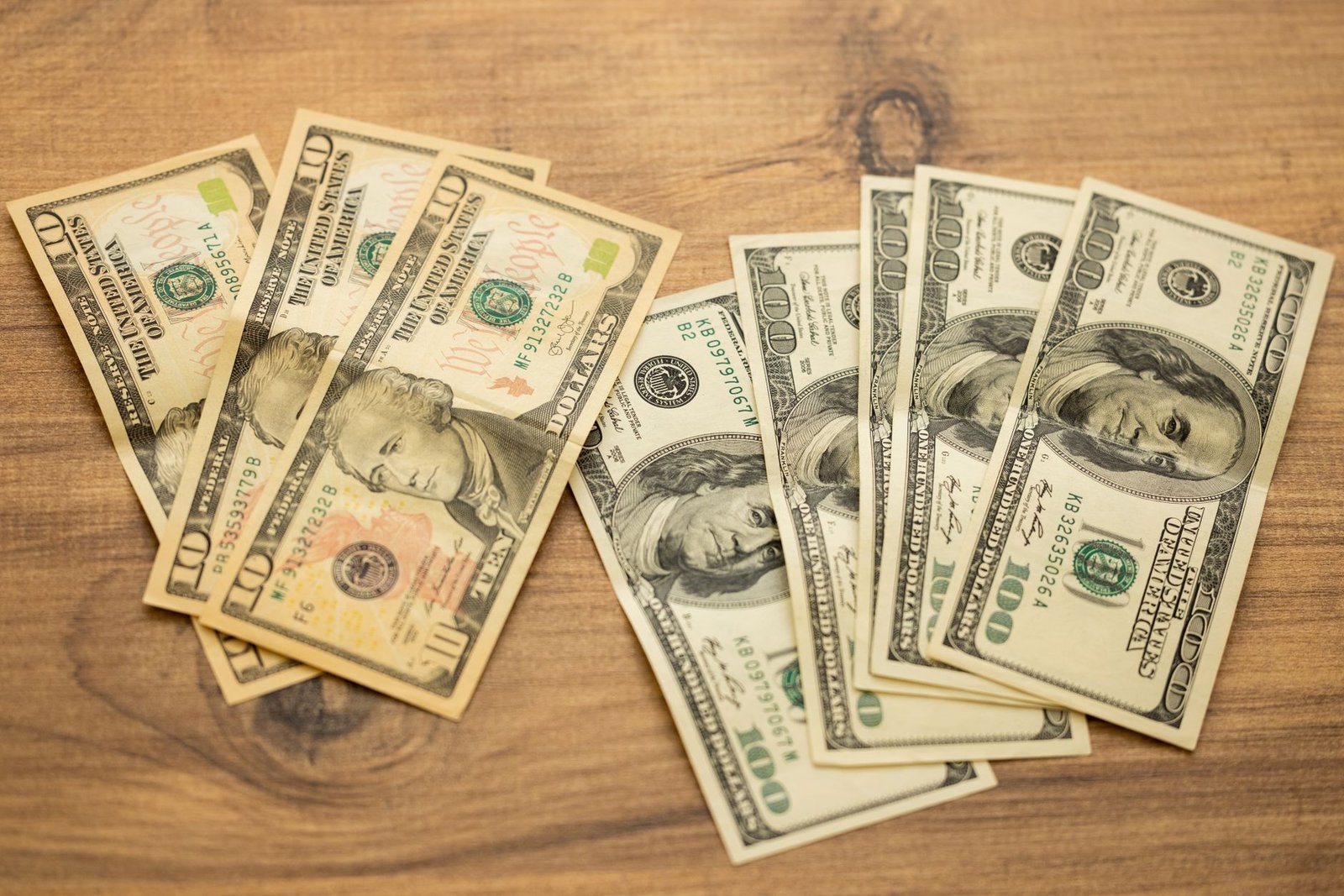
The U.S. dollar has extended a notable rally, sending ripple effects through currency markets worldwide. Emerging-market currencies and commodities priced in dollars are feeling the strain.
A strengthening dollar is once again testing the resilience of global financial markets. The greenback has climbed broadly against a basket of major and emerging-market currencies, a move that carries consequences well beyond the foreign exchange market.
When the dollar rises, it typically squeezes countries that hold large amounts of dollar-denominated debt. Repaying those loans becomes more expensive in local currency terms. At the same time, commodities like oil, gold, and agricultural goods — most of which are priced in dollars — tend to become costlier for buyers outside the United States, which can dampen demand.
The dollar’s direction is closely tied to expectations about U.S. interest rates. When investors believe the Federal Reserve will keep rates elevated for longer, they tend to move money into dollar-denominated assets to capture higher returns. That flow of capital into the U.S. pushes the dollar up and can pull investment away from other economies, tightening financial conditions globally.
Emerging markets are particularly vulnerable in this environment. Countries in Asia, Latin America, and Africa often see their own currencies weaken against the dollar, which can stoke local inflation and complicate the task of their own central banks. A weaker local currency makes imports more expensive, raising the cost of everything from fuel to food.
For U.S. multinational companies, a stronger dollar cuts into overseas earnings when those profits are converted back into greenbacks — a factor that markets tend to watch closely during corporate earnings seasons.
The dollar’s trajectory will remain a central variable for global markets in the weeks ahead, with investors watching U.S. economic data and Federal Reserve signals for clues about where rates — and the currency — may head next.
The key question now is whether dollar strength persists, which would continue to tighten financial conditions for economies outside the United States.