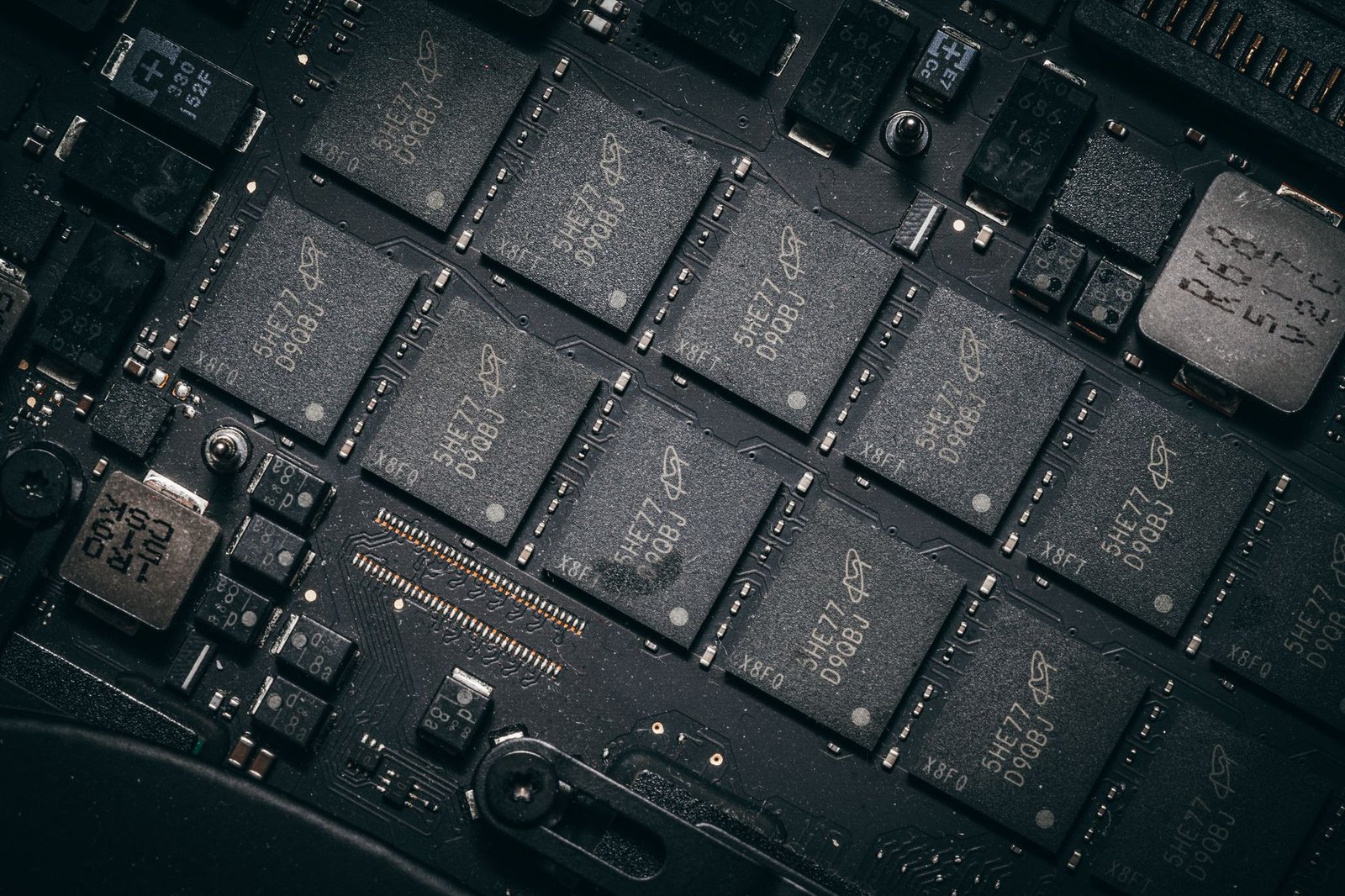
A $26.5 billion commitment to AI-related memory technology has put the sector under fresh scrutiny, with investors weighing both the massive opportunity and the structural weaknesses the deal has brought to light.
Wall Street is turning its focus to the memory chip segment of the artificial intelligence trade, after a deal valued at $26.5 billion drew attention to how dependent — and how exposed — that corner of the market can be.
Memory chips are a critical but often overlooked piece of the AI supply chain. Unlike the processors that run AI models, memory components store and move the enormous volumes of data those models require. As AI workloads have grown, demand for high-bandwidth memory has surged, pushing chipmakers and their suppliers into the spotlight.
But large deals in any sector can cut both ways. On one hand, a commitment of this scale signals that major players believe AI infrastructure spending will remain strong for years. On the other, it can reveal concentration risk — the danger that too much of the supply chain depends on a small number of producers, customers, or technologies.
That tension is now playing out in real time for memory stocks. Investors who rode the early wave of AI enthusiasm are now asking harder questions: How durable is the demand? Who controls pricing? And what happens if AI spending by big technology companies slows or shifts?
Memory markets have historically been volatile. The industry tends to swing between periods of oversupply, when prices fall sharply, and shortages, when they spike. The current AI-driven boom has lifted prices and profits, but history suggests those conditions rarely last indefinitely without correction.
For broader markets, the episode is a reminder that the AI trade is not a single, uniform bet. Different parts of the stack — processors, memory, networking, power infrastructure — carry different risk profiles. A weak spot in one segment can ripple through valuations across the sector.
How memory chip prices and margins hold up through the rest of the year will be a key test of whether the AI infrastructure build-out is as durable as its biggest backers believe.