Despite elevated tensions in the Middle East, the global economy has so far avoided a major disruption. Markets and policymakers are watching closely for signs that the resilience can hold.
The global economy has shown notable staying power in the face of conflict and uncertainty tied to Iran, sidestepping the kind of sharp slowdown some feared. Oil prices, trade flows, and financial markets have remained relatively stable — a sign that investors and businesses are not yet pricing in a worst-case scenario.
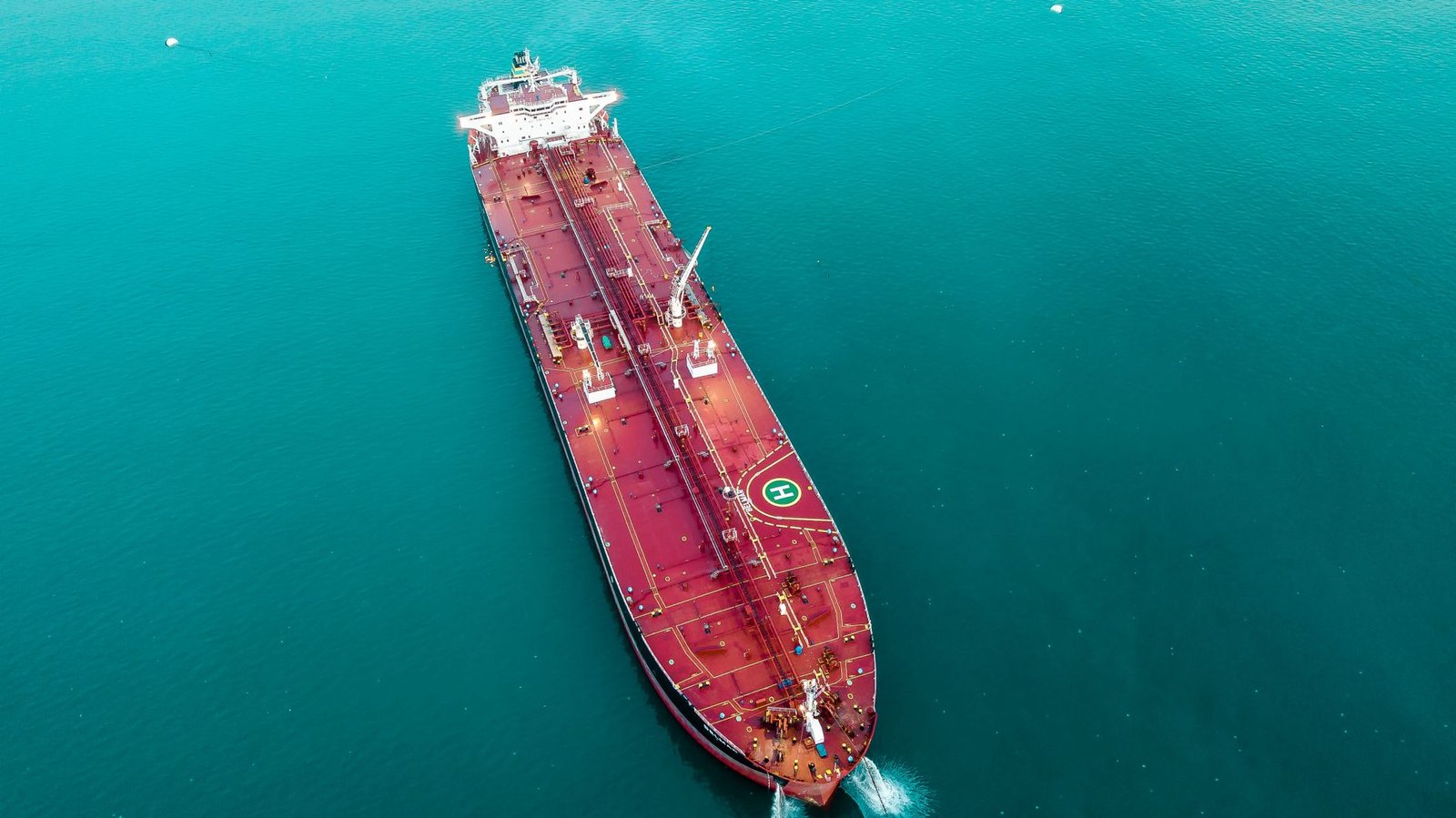
Historically, Middle East tensions carry significant economic weight because the region sits at the center of global oil supply chains. A major disruption to oil production or shipping routes through the Strait of Hormuz — one of the world’s busiest energy chokepoints — could send energy prices sharply higher and squeeze consumers and businesses worldwide. So far, that kind of shock has not materialized.
Crude oil prices have remained elevated compared to earlier this decade, but they have not surged to levels that would typically signal a crisis. When energy costs stay manageable, inflation pressures from that channel stay contained, giving central banks — including the U.S. Federal Reserve and the European Central Bank — more room to hold or adjust interest rates based on domestic economic conditions rather than reacting to an emergency.
Global growth has also proved more durable than many expected heading into 2026. Consumer spending in the United States and parts of Asia has held up, and fears of a broad global recession have not been confirmed by the data so far. That backdrop makes it easier for markets to absorb geopolitical uncertainty without panic.
Still, the situation is fluid. Analysts caution that the economy’s resilience is not the same as immunity. A significant escalation — whether through wider regional conflict, sanctions disrupting energy exports, or a breakdown in shipping — could change the picture quickly. Oil supply shocks have triggered recessions before, and the risk has not disappeared simply because it has not yet arrived.
Financial markets have broadly reflected cautious optimism. Equities in major economies have not seen sustained sell-offs linked to the Iran situation, and government bond yields have moved more on domestic inflation and rate expectations than on geopolitical fear. That measured reaction suggests investors see the risks as real but manageable for now.
The key variables to watch are oil prices, shipping disruptions, and any signs of wider regional escalation that could test the global economy’s current resilience.