A simultaneous rise in oil prices and global interest rates is rekindling fears of stagflation — the painful combination of slow growth and rising prices that plagued many economies in the 1970s. Markets and policymakers are watching closely for signs of which force will dominate.
The global economy is facing a troubling squeeze. Oil prices have climbed in recent weeks, pushing up the cost of energy, transportation, and manufactured goods. At the same time, borrowing costs remain elevated across much of the world as central banks keep interest rates high to fight inflation. Together, these two forces are feeding concern that many economies could slow sharply while prices stay stubbornly high — the classic definition of stagflation.
Stagflation is particularly difficult for policymakers to handle. Normally, a central bank can cut interest rates to lift a slowing economy. But if inflation is still running hot, cutting rates risks making price pressures worse. That leaves policymakers with no easy move, forced to choose between protecting growth and keeping inflation under control.
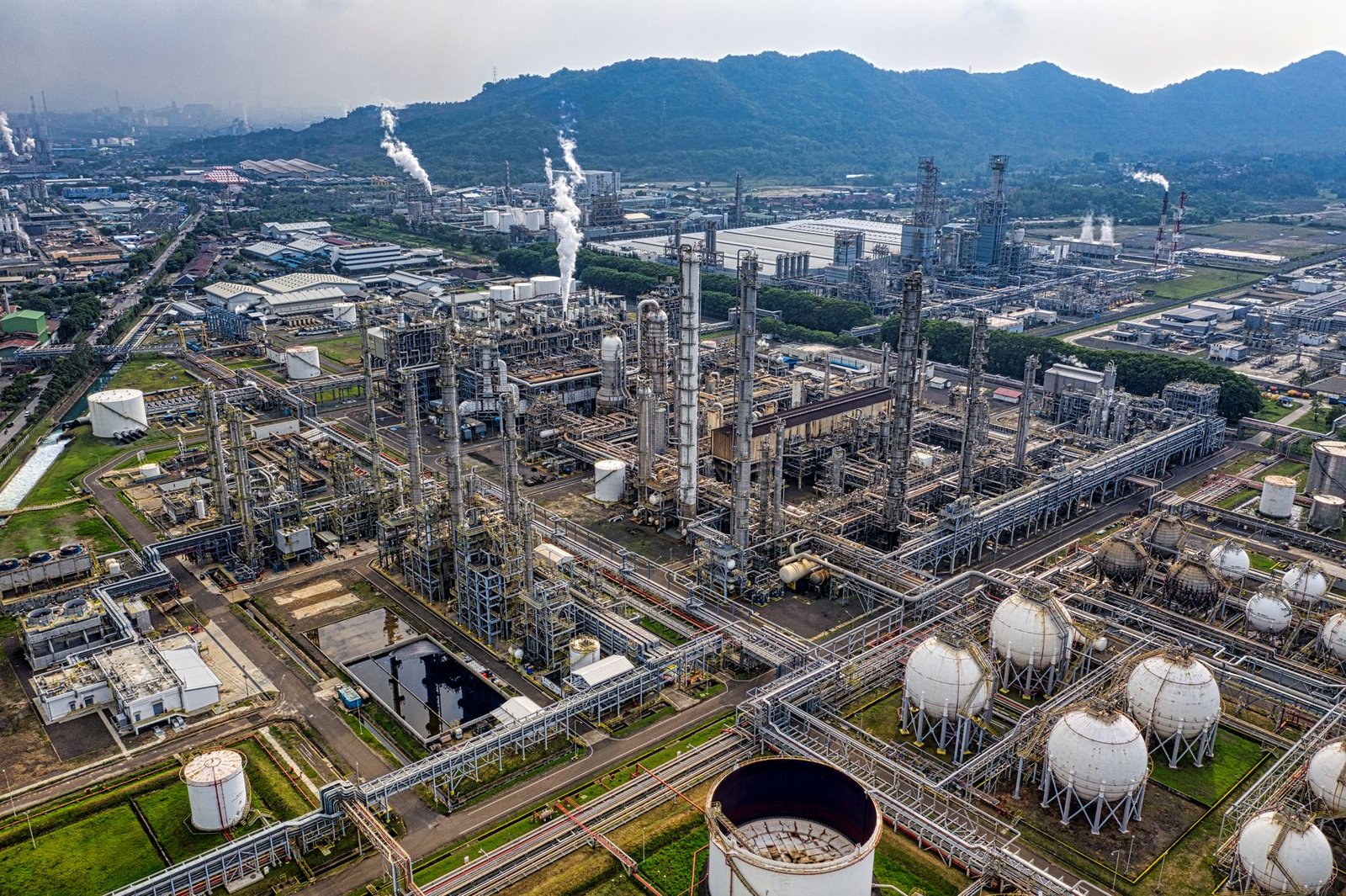
Higher oil prices act like a tax on households and businesses. When energy costs rise, companies face higher production and shipping expenses, which often get passed on to consumers in the form of pricier goods and services. That puts upward pressure on inflation even as spending power shrinks — precisely the dynamic that defines a stagflationary environment.
Borrowing costs add another layer of strain. Elevated interest rates make mortgages, car loans, and business credit more expensive. Consumer spending tends to slow, business investment pulls back, and hiring can weaken. In countries already dealing with sluggish growth, a prolonged period of high rates compounds the risk of a meaningful downturn.
The concern is especially acute for emerging-market economies, which often borrow in dollars and are particularly exposed to rising global rates and energy import costs. But developed economies are not immune. Europe, which relies heavily on imported energy and has seen rates rise sharply in recent years, faces its own version of this pressure.
Whether stagflation fully takes hold depends on several factors: how long oil prices stay elevated, whether central banks begin to ease policy, and how resilient consumer demand proves to be. For now, the data suggests caution. Analysts are watching inflation readings, central-bank communications, and growth indicators for clearer signals on where the global economy is headed.
Oil prices, bond yields, and the next round of central-bank meetings will be the key signals to watch as the stagflation debate develops.