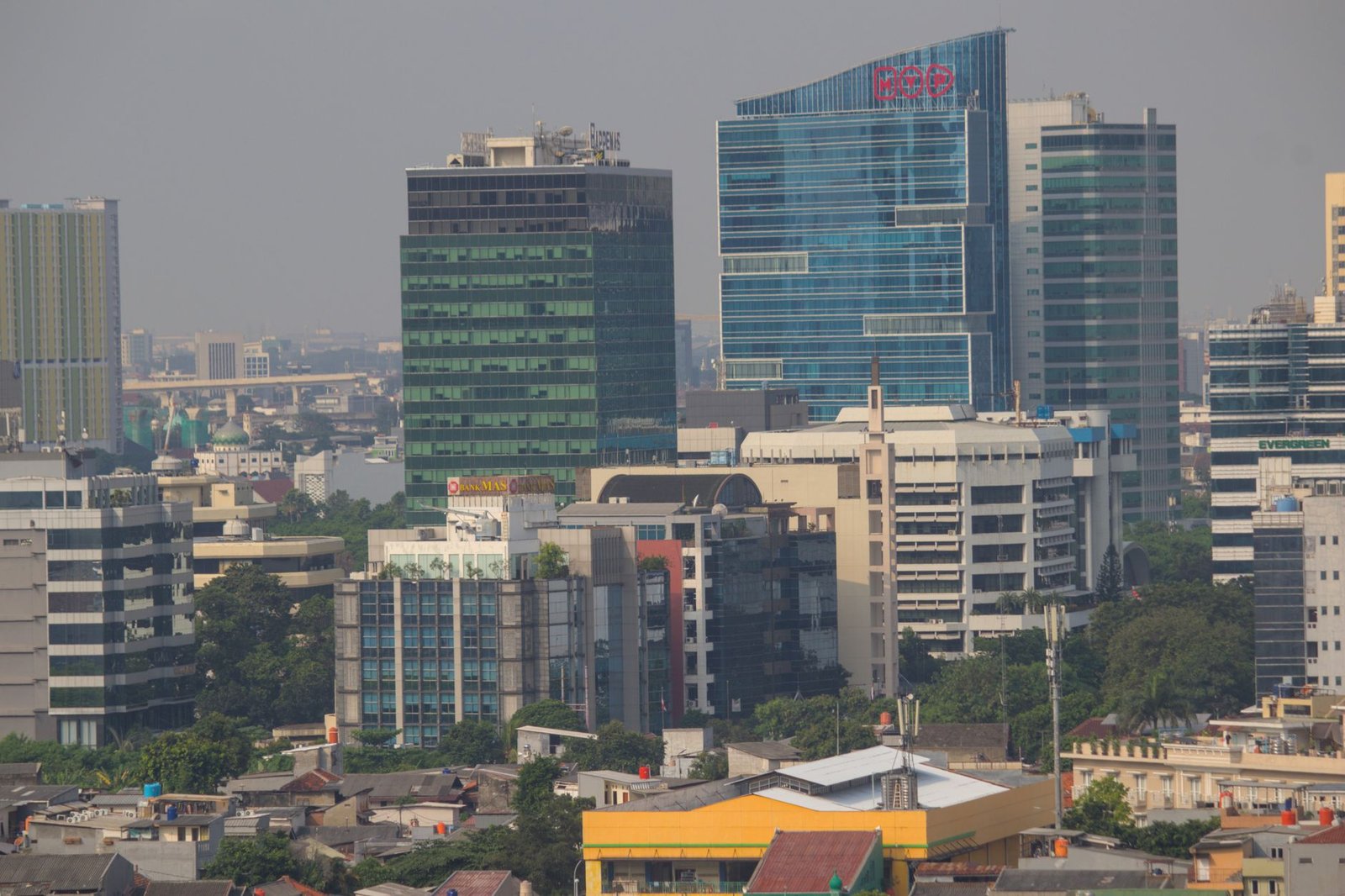
Indonesian equities have attracted renewed investor attention in recent sessions, as a rotation away from richly valued artificial-intelligence-linked shares prompts money managers to look at cheaper emerging markets.
The Jakarta Composite Index has drawn buying interest from investors reassessing the crowded trade in global technology stocks. As AI-related shares cool from earlier highs, money is moving toward markets that had previously been overlooked — and Indonesia fits that profile.
Indonesian stocks have lagged many of their regional peers in recent years, weighed down by a stronger dollar, commodity price swings, and concerns about domestic growth. That underperformance left valuations looking relatively low compared with markets in the United States, India, and parts of Southeast Asia. When leading markets run hot and then slow, cheaper alternatives often attract fresh capital — and that dynamic appears to be playing out now.
The rotation matters because Indonesia is one of the larger economies in Asia, with a sizable consumer base, significant commodity exports — including coal, palm oil, and nickel — and a central bank that has been navigating inflation and currency pressure. When foreign capital flows into Indonesian equities, it also tends to support the rupiah, the country’s currency, which can ease some of the import-cost pressures that have troubled the economy.
Emerging-market investing always carries risks that developed markets do not. Currency swings, political shifts, and thinner trading volumes can all amplify moves in both directions. A revival in the AI trade, or a fresh bout of dollar strength, could reverse the current inflows quickly.
Still, the renewed interest in Indonesia reflects a broader pattern in global markets: when one trade becomes crowded and expensive, investors search for value elsewhere. Markets in Southeast Asia, Latin America, and other emerging regions often benefit from exactly this kind of rotation.
Watch whether the rupiah stabilizes and whether foreign fund flows into Indonesian equities continue — both would signal that this rotation has staying power.