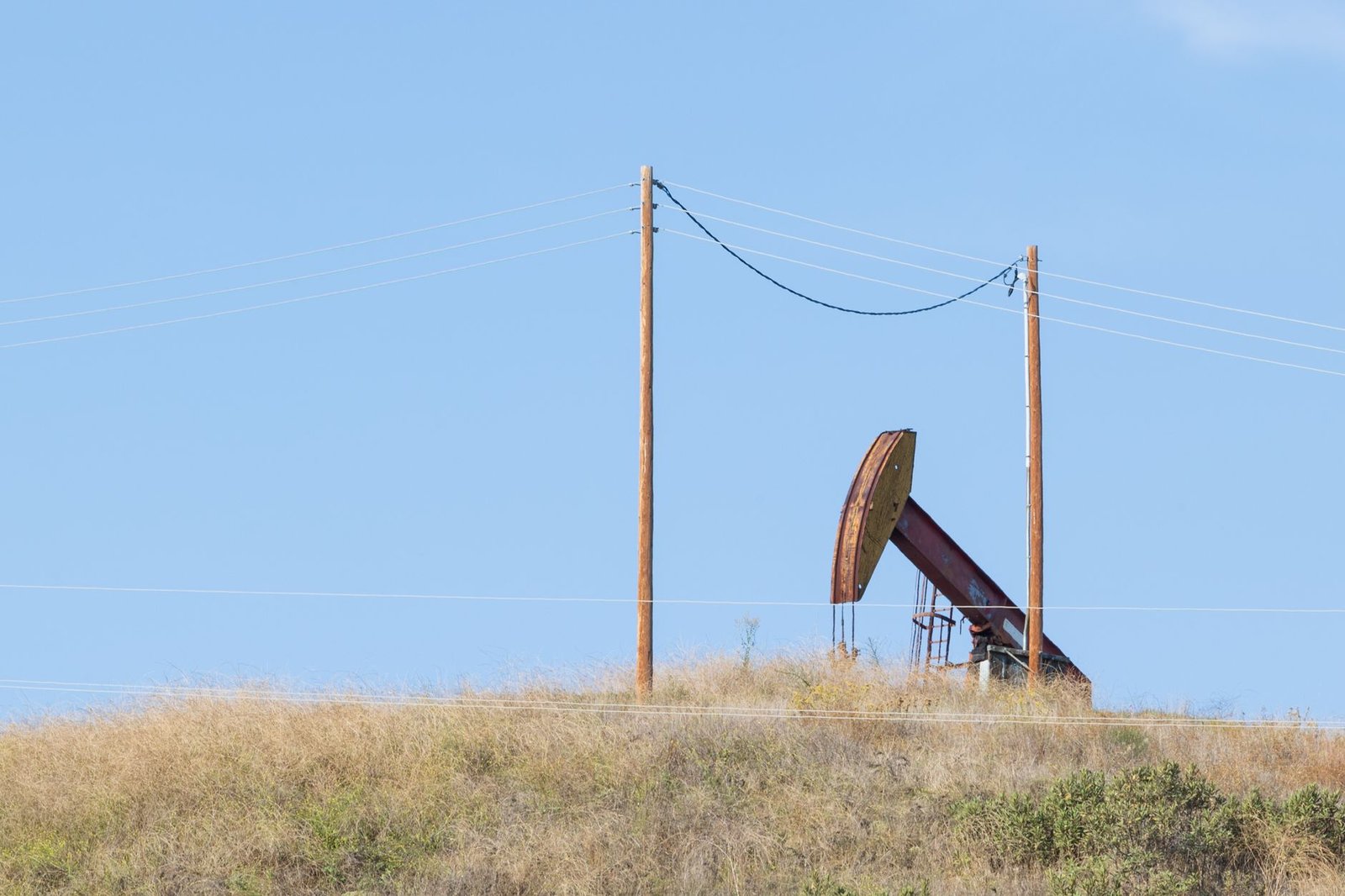
U.S. stocks traded in a narrow range and crude oil prices fell as investors reassessed geopolitical risk in the Middle East. A reduction in regional tensions tends to ease the fear premium built into energy markets.
U.S. equity markets showed little direction in recent trading, with major indexes drifting without a clear catalyst. At the same time, oil prices declined as investors grew more confident that tensions in the Middle East were cooling, reducing the immediate threat of supply disruptions.
Oil is especially sensitive to Middle East developments because the region holds a large share of the world’s proven crude reserves and sits along key shipping routes. When conflict risks rise, traders often push oil prices higher in anticipation of possible supply shortfalls. When those risks ease, that premium tends to unwind quickly.
Lower oil prices carry mixed signals for the broader economy. On one hand, cheaper energy can act like a tax cut for consumers and businesses, leaving more money available for spending. On the other, a sharp drop in crude can weigh on the energy sector within the stock market, and may signal softer global demand.
For equity markets, the drift reflects a market in wait-and-see mode. With few major data releases or policy announcements driving sentiment, traders appeared content to hold positions rather than make large moves. Volumes in this kind of environment are often muted, and index moves tend to be modest.
From a Federal Reserve perspective, a sustained decline in oil prices could put modest downward pressure on headline inflation — the overall cost-of-living measure that includes energy. That would be welcome news for policymakers trying to keep inflation near their 2% target. However, the Fed has generally been focused on core inflation, which strips out volatile energy and food costs, so a brief oil dip rarely shifts the policy outlook on its own.
We’ll be watching whether oil prices stabilize and whether any fresh geopolitical developments reignite volatility in energy markets.