Shares of Chinese power equipment companies fell sharply after the United States moved to restrict their products from the American electricity grid. The sell-off raises questions about how much lasting damage the ban will inflict on the sector.
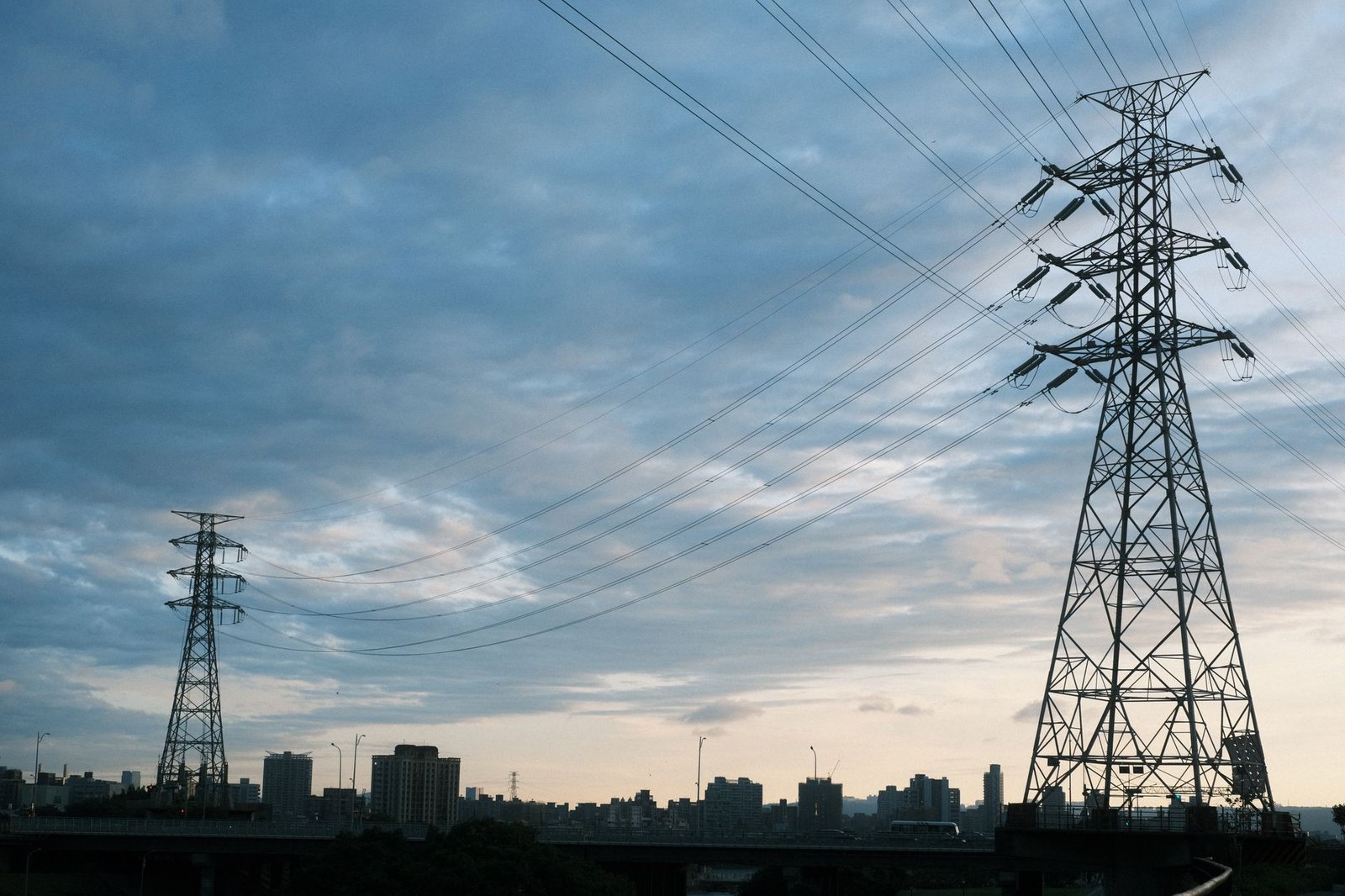
Chinese power equipment stocks came under pressure in recent trading after Washington announced measures barring certain Chinese-made components from the U.S. electricity grid. The restrictions are part of a broader U.S. effort to limit foreign exposure in critical infrastructure, and markets responded quickly, pushing down shares of affected companies.
The logic behind the sell-off is straightforward. Any company that counted the United States among its export markets faces an immediate revenue threat. Even firms that sold relatively little to American buyers saw their share prices slip, as investors worried the ban could signal further restrictions down the line — either in the U.S. or in allied countries that tend to follow Washington’s lead on infrastructure security.
Yet analysts are divided on whether the reaction was proportionate. Many of China’s large state-backed power equipment makers derive the bulk of their revenue from domestic projects and from contracts across Asia, Africa, and Latin America. For those companies, the direct financial impact of losing U.S. access may be limited. The deeper risk is reputational: being branded a security concern by American regulators can complicate relationships with other trading partners.
The move fits a pattern. Over the past several years, the U.S. has tightened restrictions on Chinese technology and industrial goods across a range of sectors — from semiconductors to telecommunications equipment to solar panels. Each time, markets have had to weigh the immediate revenue hit against longer-term adjustments companies can make, including shifting supply chains and doubling down on non-U.S. markets.
For investors in Chinese equities more broadly, the episode is a reminder that policy risk remains elevated. Trade and security tensions between Washington and Beijing show no sign of easing, and sectors tied to critical infrastructure — power, telecommunications, water — are especially exposed to future restrictions on both sides.
How far affected companies’ revenues actually depend on U.S. access will determine whether this sell-off proves an overreaction or a fair repricing of real risk.