Traders across major markets are taking a cautious stance as Federal Reserve Chair Jerome Powell prepares to speak at the central bank’s annual Jackson Hole symposium. The gathering is closely watched for signals about the direction of U.S. interest rates.
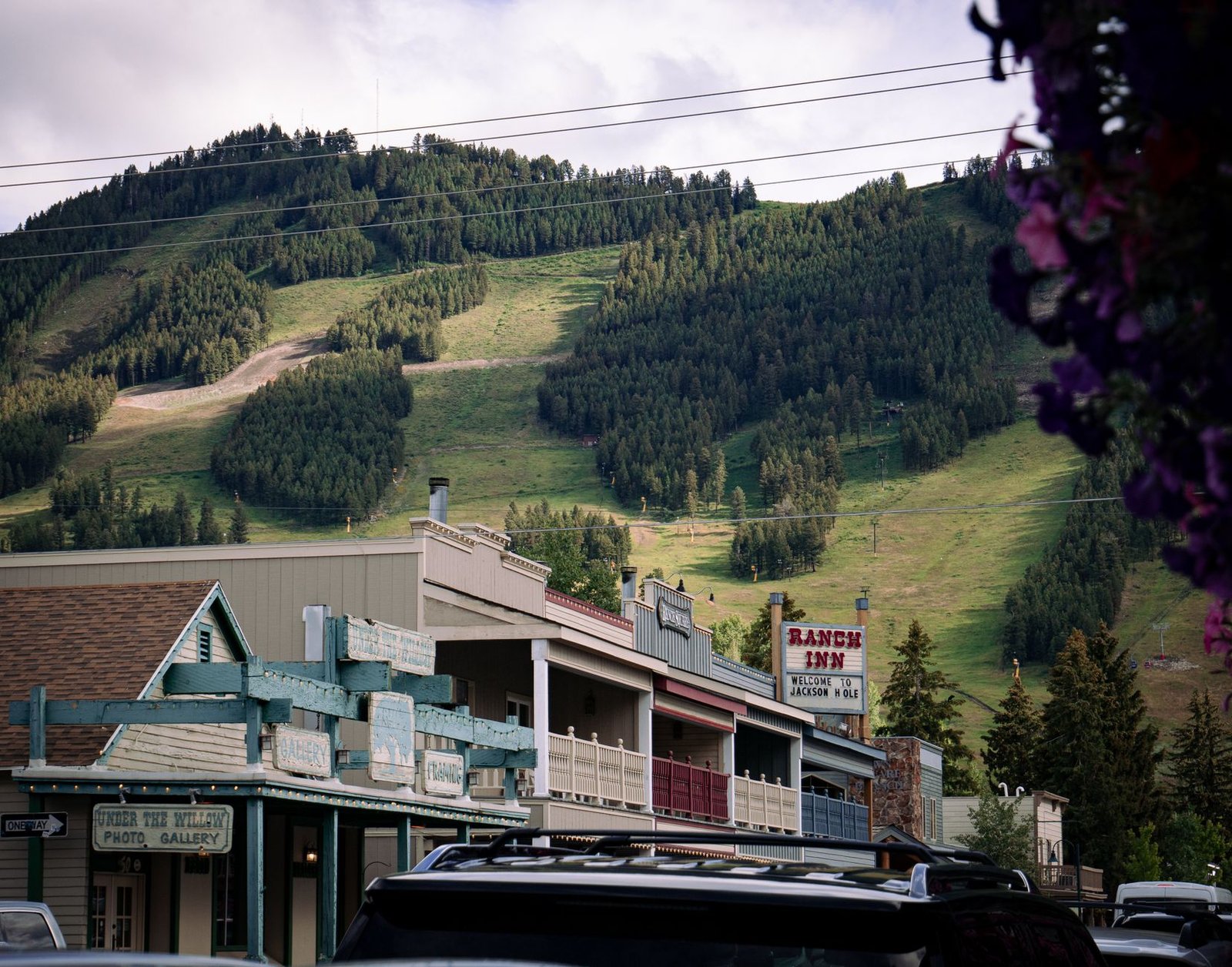
World equity and currency markets showed little decisive movement in recent sessions, with investors reluctant to make big bets before hearing directly from the Fed’s top official. The Jackson Hole Economic Symposium, held each year in Wyoming, has historically served as a platform for major monetary policy signals — making Powell’s remarks among the most anticipated events on the financial calendar.
The caution reflects how much weight markets place on any hint about the Fed’s next move. Interest rate decisions ripple far beyond the United States: they influence borrowing costs, currency values, and investment flows across the globe. When the Fed signals a shift — toward cutting or holding rates — markets from Tokyo to Frankfurt tend to respond quickly.
At present, investors are wrestling with a central question: has the Fed done enough to bring inflation under control, or will it need to keep rates elevated for longer? That uncertainty is enough on its own to keep many traders on the sidelines until they hear Powell speak.
The Jackson Hole speech is not a formal policy announcement — the Fed sets rates at its scheduled meetings. But central bank chairs use the forum to frame their thinking, and past addresses have moved markets significantly. Traders will be parsing Powell’s language closely for any shift in tone, whether he leans toward rate cuts sooner or signals patience.
Beyond the U.S., the gathering draws attention from other major central banks as well. Officials from the European Central Bank, the Bank of England, and other institutions often attend, and the discussions can shape expectations for global monetary policy more broadly. For investors holding assets anywhere in the world, the speech carries real weight.
Powell’s remarks at Jackson Hole will be a key moment for markets — what he says, and what he leaves unsaid, could set the tone for rate expectations heading into the fall.