Technology shares pulled back in recent trading as climbing Treasury yields weighed on growth stocks and fresh concerns over the Strait of Hormuz added a layer of geopolitical risk to global markets.
The Nasdaq Composite fell to around 26,507 in the latest session, pressured by two forces that often move in tandem against high-growth technology shares: higher borrowing costs and rising uncertainty in global energy supply routes.
Treasury yields moved higher, renewing pressure on tech valuations. When yields rise, the future profits that growth companies are expected to earn are worth less in today’s terms — a basic math that tends to push tech stocks lower. The relationship is well established: higher rates are a headwind for the sector, and any sustained move up in yields typically prompts investors to reassess how much they will pay for earnings that are years away.
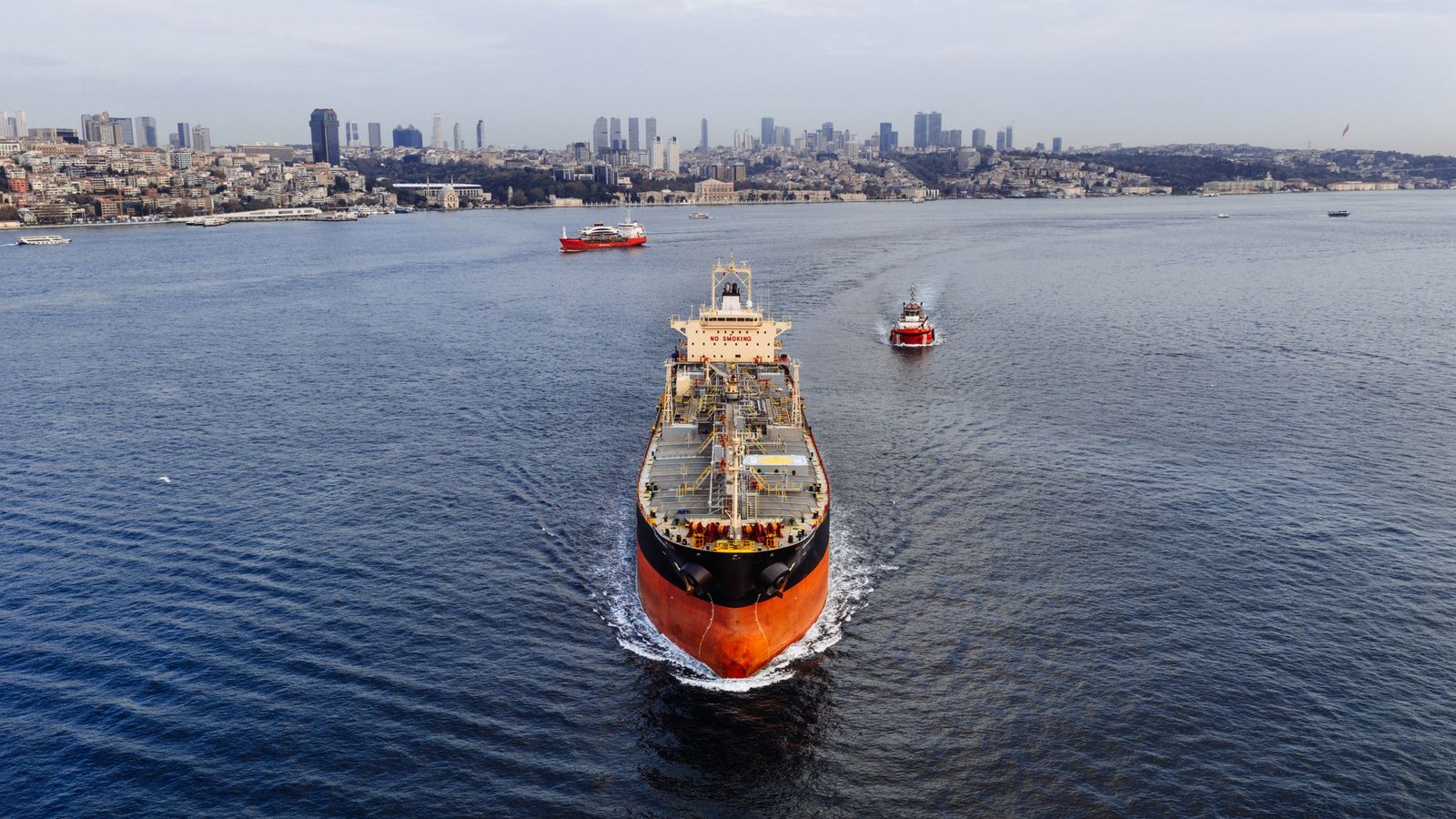
Adding to the pressure, fresh tensions between the United States and Iran over the Strait of Hormuz introduced a geopolitical dimension to the sell-off. The strait is one of the world’s most critical oil shipping lanes, with a large share of global crude passing through it daily. When the route is perceived to be at risk, oil prices can rise, which in turn fans inflation fears — and that can push bond yields even higher, compounding the pressure on equities.
The combination of rate sensitivity and energy-price risk created a difficult backdrop for markets. Technology stocks, which had led broad market gains in recent years, tend to be among the first to feel the strain when the outlook for interest rates shifts or when global risk appetite fades.
Investors will be watching whether Treasury yields stabilize, and how diplomatic developments around the Hormuz situation evolve. Any escalation in that corridor could keep energy markets unsettled, while a de-escalation could relieve some of the pressure that spilled into stocks.
The interplay between bond yields, geopolitical risk, and tech valuations will remain a key watchpoint for markets in the sessions ahead.