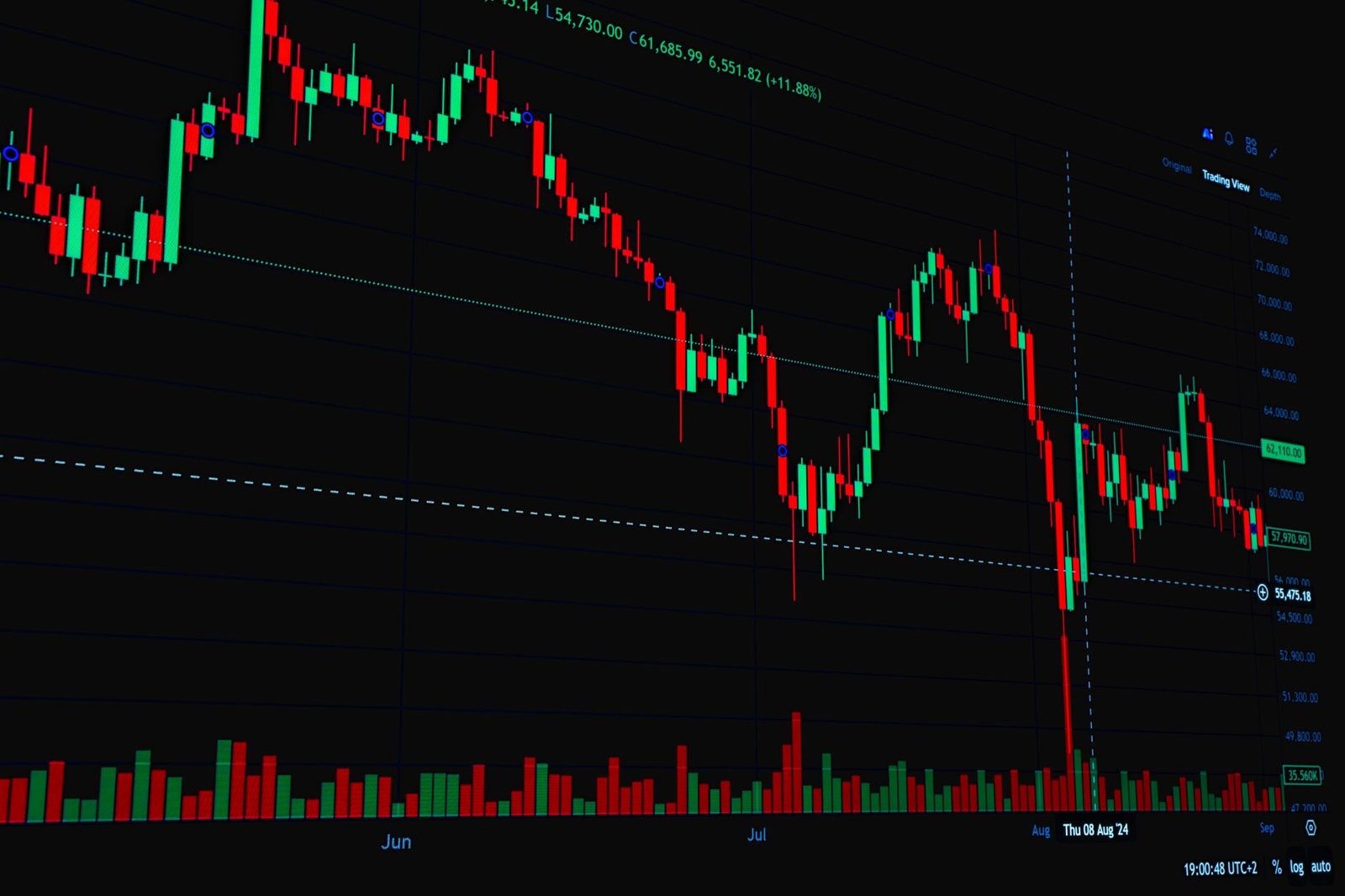
U.S. stocks dropped sharply in recent trading, with the Dow Jones Industrial Average shedding about 630 points while the S&P 500 and Nasdaq also posted notable losses. The broad decline reflects growing unease across financial markets.
All three major U.S. stock indexes fell in unison during the latest session, a pattern that usually signals widespread investor caution rather than trouble concentrated in one sector or company. The Dow Jones Industrial Average dropped roughly 630 points. The S&P 500 and the Nasdaq Composite — which is heavily weighted toward technology stocks — also closed lower.
Sell-offs of this size can stem from several sources. Investors often pull back when they grow worried about the direction of interest rates, the strength of the economy, or signals from the Federal Reserve. Elevated rates make borrowing more expensive for businesses and consumers, which can weigh on corporate earnings and, in turn, on stock prices. When multiple indexes fall together and by large amounts, it often means the concern is broad rather than specific.
September has historically been a difficult month for U.S. equities. Seasonal patterns show that the market has tended to underperform in September compared with other months, though past performance does not predict future outcomes. That seasonal backdrop can amplify investor nervousness when other pressures are already present.
Bond markets and the dollar typically react during equity sell-offs, as some investors move money into assets they consider safer, such as U.S. Treasury bonds. A rise in bond prices pushes yields — the effective interest rate — lower. Watching how yields move in the days ahead can offer clues about where investor sentiment is heading.
It is worth keeping perspective. A single session’s decline, even a sharp one, does not on its own define a trend. Markets can and do recover quickly. What matters more is whether the underlying reasons for the selling — whatever they turn out to be — persist or ease in the sessions that follow.
Investors will be watching economic data releases and any Federal Reserve commentary closely in the days ahead for signals about what comes next.