The BRICS group of major emerging economies has issued a joint call to overhaul the International Monetary Fund and World Bank while pushing back sharply against unilateral tariffs and sanctions. The statement signals growing friction between the bloc and Western-led economic policy.
The BRICS nations — a grouping that includes Brazil, Russia, India, China, and South Africa, along with newer members — have renewed their push to reshape the institutions that govern the global economy. In their latest joint statement, the bloc called for meaningful reforms at both the IMF and the World Bank, arguing that the current structures give too much weight to wealthy Western economies at the expense of the developing world.
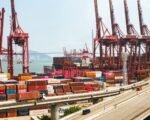
The group also took direct aim at unilateral tariffs and sanctions, describing them as harmful to global trade and economic stability. While the statement did not name specific countries, the language tracks closely with longstanding criticism of U.S. and European trade and foreign policy tools. Tariffs and sanctions imposed without multilateral backing have been a recurring point of tension between the BRICS bloc and Western governments.
The call for IMF reform is not new — emerging economies have argued for years that their voting power within the fund does not reflect their growing share of global output. A larger share of IMF votes would give countries like China and India more say over lending decisions, exchange rate policy assessments, and crisis response. The World Bank faces similar criticism, with BRICS members arguing that its development financing priorities and conditions are designed more to serve donor-country interests than recipient ones.
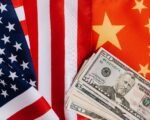
Taken together, the statement reflects a broader effort by BRICS to position itself as an alternative voice in global economic governance. The bloc has in recent years discussed topics ranging from trade in local currencies to reducing dependence on the U.S. dollar in cross-border transactions — though concrete steps have been slow to materialize.
Whether the call gains traction depends heavily on whether BRICS can maintain internal unity. The bloc spans countries with sharply different political systems, trade relationships, and economic interests, which has historically made coordinated action difficult. Still, the joint statement keeps pressure on Western-led institutions to address long-standing concerns about representation and fairness in the global financial system.
Watch for how the IMF and World Bank respond heading into their annual meetings, a traditional moment for debate over governance reform.