The BRICS group of major emerging economies is stepping up efforts to reduce U.S. influence over global trade and finance. The push reflects a broader shift among large non-Western nations to build alternatives to the dollar-centric system that has defined the world economy for decades.
The bloc known as BRICS — which includes Brazil, Russia, India, China, and South Africa, along with newer members — has been working to weaken the grip that U.S.-led institutions and the U.S. dollar hold over global commerce and finance. The effort has gained momentum as tensions between the West and several BRICS members have grown.
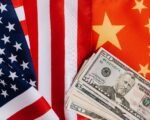
At the heart of the push is the role of the U.S. dollar. The dollar serves as the world’s primary reserve currency, meaning most international trade — from oil to grain — is priced and settled in dollars. That gives the United States enormous economic leverage, including the ability to impose financial sanctions that cut countries off from the global banking system. BRICS members, particularly Russia and China, have long viewed that power as a strategic vulnerability.
To counter it, BRICS nations have been working on several fronts: expanding trade settled in local currencies rather than dollars, deepening ties between their own financial institutions, and discussing the possibility of a common payment system that bypasses Western networks. These efforts are still in early stages and face significant practical hurdles, including the difficulty of replacing a currency as deeply embedded in global markets as the dollar.
Economists generally caution that dethroning the dollar is a long and uncertain process. The U.S. currency’s dominance rests not just on American economic size, but on the depth of U.S. financial markets, legal protections, and decades of trust built into global trade contracts. No rival currency — including China’s yuan — currently comes close to matching those qualities.
Still, the trend is worth watching. Even a gradual shift in how a portion of global trade is settled could, over time, affect demand for dollar-denominated assets like U.S. Treasury bonds. That could have implications for U.S. borrowing costs and the Federal Reserve’s ability to influence global financial conditions.
The BRICS grouping has also expanded in recent years, adding new members and attracting interest from other countries seeking alternatives to Western-led institutions like the International Monetary Fund and the World Bank. A larger bloc increases the potential weight of any joint economic initiative, even if internal divisions among members make coordinated action difficult.
How quickly BRICS can translate political ambition into concrete economic alternatives to the dollar system will be a key story to follow in the years ahead.