Companies reporting quarterly results have largely stopped flagging inflation as a top concern. Consumers, however, are still feeling price pressure where it hits hardest: food and dining.
A notable shift is emerging from the latest round of corporate earnings calls. Executives at major U.S. companies are spending far less time discussing inflation than they did a year or two ago — a sign that, from a business-cost perspective, the worst of the price surge may be behind them. Input costs have eased, supply chains have largely normalized, and profit margins have stabilized for many large firms.
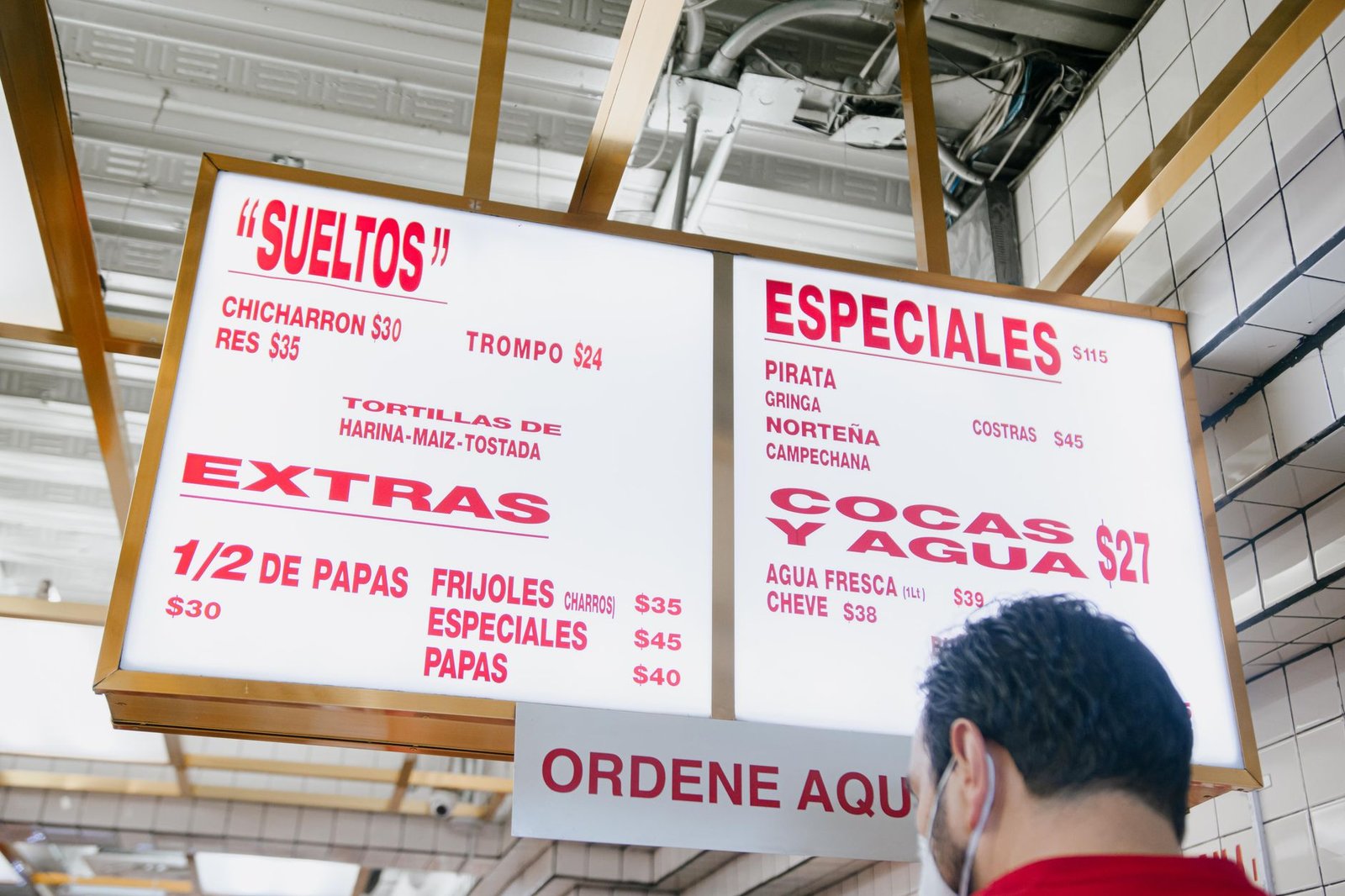
That picture, however, looks different at the kitchen table and the restaurant booth. Food prices — groceries, takeout, and sit-down meals — have remained stubbornly elevated even as headline inflation has cooled. The gap between what Wall Street reports and what ordinary households experience is one of the defining tensions of this economic moment.
Inflation in food away from home, which includes restaurants and fast food, has historically been one of the stickiest categories. Labor costs for the service sector, combined with higher commercial rents and lingering food commodity costs, mean that menu prices tend to rise faster than they fall. Once a restaurant raises prices, it rarely reverses course quickly.
The Federal Reserve tracks a broad basket of prices, and overall inflation has moved meaningfully lower from its peak. But averages can obscure what matters most to consumers day to day. Even when the annual inflation rate is modest, prices remain significantly higher in absolute terms than they were three or four years ago. That cumulative effect — not the rate of change, but the total climb — is what shoppers feel every time they pay a bill.
For investors, the easing of inflation chatter in earnings calls can be read as a positive signal: companies are no longer scrambling to pass costs along, which reduces the risk of a fresh pricing spiral. But consumer sentiment data has consistently shown that many households do not feel the relief that aggregate economic indicators might suggest. Spending behavior, particularly at restaurants and grocery stores, reflects that gap.
The divergence matters for policy, too. The Fed has made progress on its inflation goal, but sticky service-sector prices — including food — give policymakers reason to stay cautious about declaring complete victory.
Watch for consumer spending data and restaurant industry metrics in the weeks ahead as a real-world check on how durable household price pressure remains.