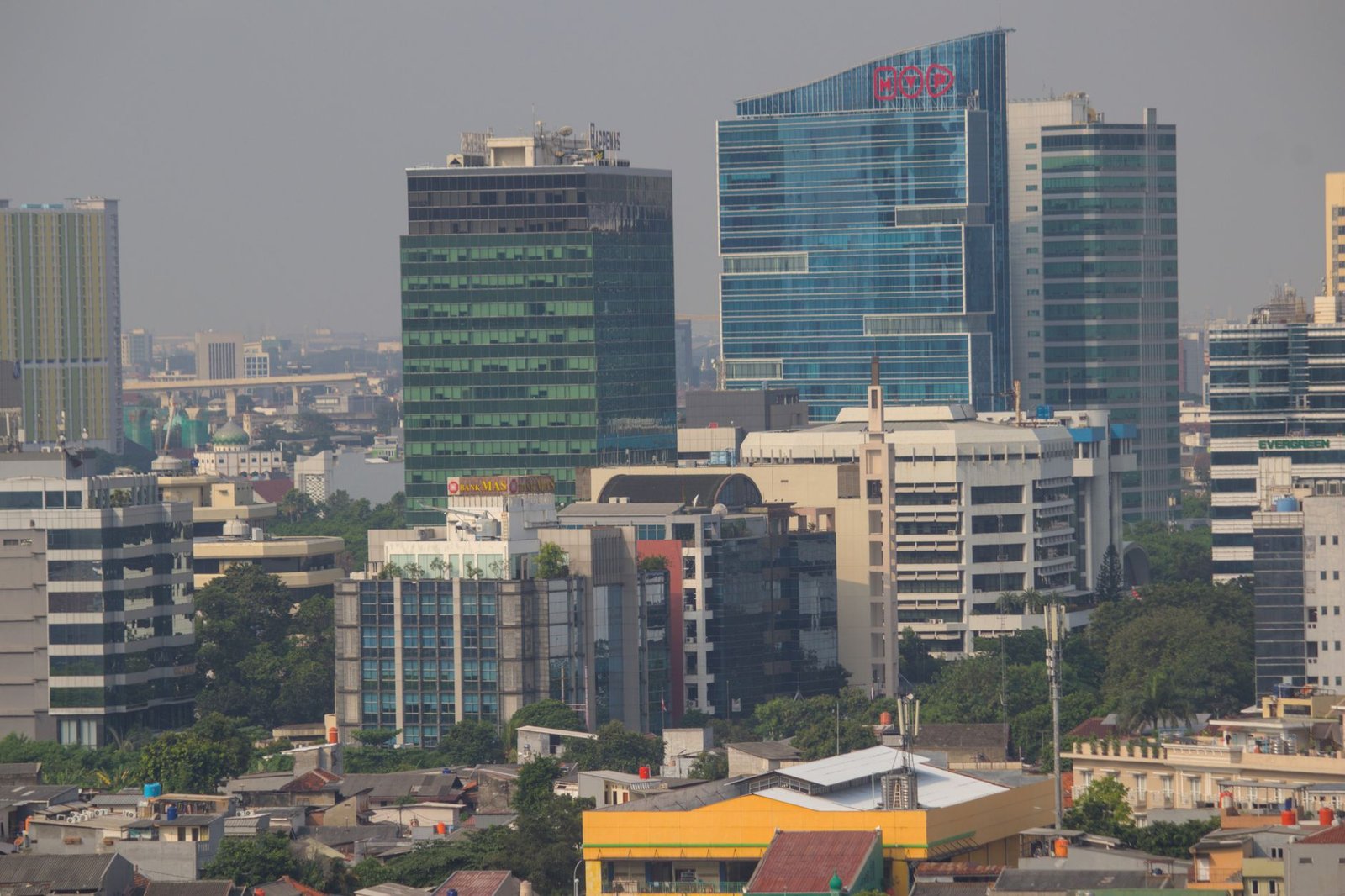
Investors worldwide are turning attention to Bank Indonesia this week, as the central bank’s rate decision stands out as one of the most closely watched policy events in emerging markets.
Bank Indonesia is in the spotlight this week as markets look for signals on where Southeast Asia’s largest economy is headed. The central bank’s rate-setting meeting is drawing attention from global investors who track emerging market monetary policy for clues about growth, inflation, and currency stability across the region.
Indonesia’s central bank has been navigating a familiar set of pressures: a currency that has faced bouts of weakness against the U.S. dollar, persistent inflation concerns, and the need to support economic growth in a post-pandemic environment. Rate decisions in major emerging markets like Indonesia often carry ripple effects, influencing capital flows across the wider Asia-Pacific region.
When a central bank in a large emerging economy holds or cuts rates, it can attract or deter foreign investment. That movement of capital affects local currency values, bond yields, and stock markets — not just in Indonesia, but in neighboring countries competing for the same pool of global money.
The Indonesian rupiah’s performance has been a key watchpoint this year. A weaker currency can push up the cost of imports and fan inflation, which in turn limits how much room policymakers have to ease borrowing costs and support growth. Bank Indonesia has historically shown a willingness to act defensively — raising rates or intervening in currency markets — when the rupiah comes under significant pressure.
Beyond Indonesia, global market participants are also tracking a broader calendar of central bank meetings, economic data releases, and geopolitical developments. The week’s agenda reflects how interconnected the world’s financial markets have become, with policy in one country quickly feeding into asset prices thousands of miles away.
We will be watching the Bank Indonesia decision for any shift in tone — whether policymakers signal greater concern about growth or remain focused on currency and price stability.
The Bank Indonesia decision is a reminder that emerging market central banks remain a key variable for global investors watching the flow of money across borders.